The short answer is yes, the 24-hour Transit Without Visa (TWOV) policy does apply to itineraries including domestic flights, but with significant logistical restrictions that often catch travelers off guard. While the policy allows you to land at one Chinese port, take a domestic flight to another, and depart for a third country within 24 hours, the execution is strictly monitored by immigration authorities. You must ensure that your entire journey qualifies as international transit rather than domestic travel, meaning you cannot enter mainland China for personal tourism outside of the transit zone during this brief window.
The Definition of International Transit
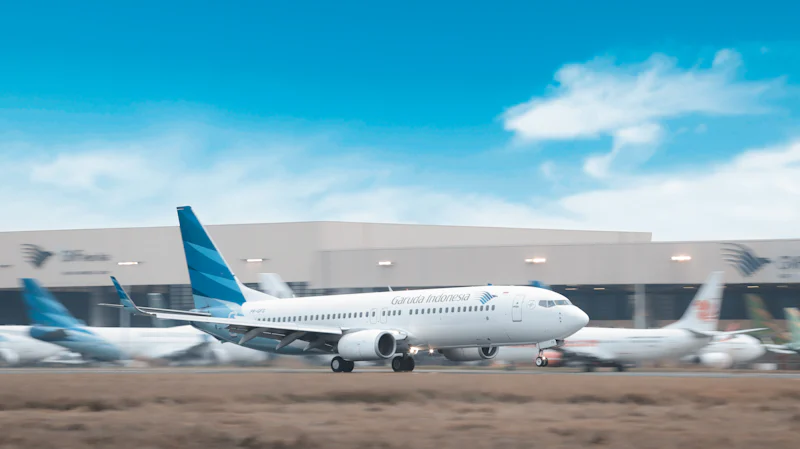
To qualify for the 24-hour TWOV, your journey must originate from a foreign country and conclude in a third country (or region). For example, a flight from Tokyo to Shanghai, followed by a domestic flight to Beijing, and then a final departure to London, is permitted. However, you cannot fly from Tokyo to Shanghai and back to Tokyo. Immigration officials will look at your 行程单 (Xingchengdan)—your travel itinerary—to verify that your final destination is not China. Always keep a printed copy of your confirmed onward ticket available for inspection, as digital versions on phones sometimes cause delays during peak airport traffic.
Navigating the Shanghai Airport Experience
Shanghai’s Pudong (PVG) and Hongqiao (SHA) airports are the most common hubs for this transit process. If your itinerary involves a domestic leg, you must proceed to the transit desk immediately upon arrival. You will be required to fill out an arrival/departure card specifically for transit passengers. Be prepared for a more rigorous screening process than those staying strictly international. In some cases, if the domestic leg is delayed, your 24-hour window remains fixed based on your scheduled arrival time at the first port of entry, so ensure you have at least a four-hour buffer between your domestic connection.
Distinguishing 24-Hour vs 144-Hour Transit
Many travelers confuse the 24-hour policy with the 144-hour transit visa policy. The 144-hour policy allows for regional exploration, but it is restricted to specific geographic areas—such as the Beijing-Tianjin-Hebei cluster or the Yangtze River Delta area. The 24-hour policy is more flexible regarding your final destination but far more restrictive regarding your time and movement. If you need to exit the airport to go to a hotel or move between Shanghai airports (PVG to SHA), the 24-hour policy allows it, but you must register your stay at a 派出所 (Paichusuo)—local police station—or your hotel must perform this registration on your behalf, even for a short stay.
Common Pitfalls and Required Documentation
The biggest mistake travelers make is failing to account for luggage. Even if your flights are on a single ticket, you may be required to clear customs, collect your bags, and re-check them at the domestic transfer counter. If your flights are booked separately, you must have a visa that allows you to clear customs and re-enter, or you will be denied boarding at your origin point. Always check with your airline to confirm if they support 'through-checked' baggage. If you are using digital tools like 支付宝 (Alipay) to pay for incidentals, ensure your international card is linked and verified before you leave your home country, as the airport network can be strict with local verification requirements.
Transit rules are strictly enforced based on your specific airline carrier’s capability to transmit passenger data to immigration authorities. Has anyone here ever been denied transit status due to a split-ticket booking?
Quick Takeaways:
- Ensure your total stay in China does not exceed 24 hours from arrival time.
- Always carry a printed copy of your onward international flight ticket and travel itinerary.
- Confirm if your airline can through-check baggage to your final international destination port.
- Register your temporary stay with local authorities even during short 24-hour transit periods.
#chinatravel #transitvisa #internationalflights
