Navigating Chinese business culture as a foreigner requires shifting your focus from purely transactional exchanges to long-term relationship building. Success in a China workplace depends less on the speed of your contract negotiation and more on the depth of the trust you cultivate with your counterparts. Understanding that professional progress is inextricably linked to personal rapport is the first step toward effective collaboration. By prioritizing the human element over immediate efficiency, you can avoid common pitfalls and establish a stable, productive environment that aligns with local professional expectations.
Decoding Guanxi and Social Capital
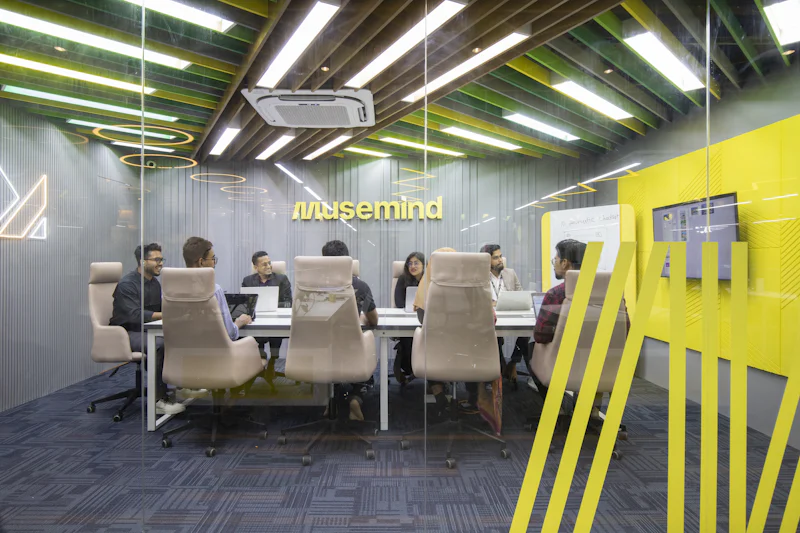
Guanxi (social connections) is often misunderstood as bribery, but it is better defined as a complex network of reciprocal obligations. In China, business is rarely conducted between strangers. When you meet a new partner, expect them to ask personal questions about your background or family; this is not prying, but a vetting process to establish a baseline for trust. Always aim to be introduced to new contacts through a mutual connection, as a third-party endorsement serves as a social bridge that validates your credibility before you even speak.
Navigating the Concept of Face
Mianzi (face) refers to one's social standing and dignity. In a meeting, never correct a superior or client in front of their team. Doing so causes them to lose mianzi, which can irreparably damage your professional reputation. If you need to point out a mistake or suggest a different direction, handle it privately during a one-on-one follow-up or a casual coffee break. Preserving the harmony of the group is viewed as a higher priority than being 'right' in a public setting.

Mastering Workplace Etiquette
Hierarchy is strictly observed in Chinese offices. When entering a meeting room, wait for senior members to sit first, and pay attention to seating arrangements, as the seat furthest from the door is typically reserved for the highest-ranking individual. When exchanging business cards, use both hands to present your card with the text facing the recipient, and take a moment to study the card you receive before placing it neatly on the table in front of you. Using a mobile payment app like 支付宝 (Alipay) to split lunch costs or using 微信 (WeChat) to stay connected outside of office hours are standard ways to signal that you are integrated into the local digital and social ecosystem.
Strategic Approaches to Negotiation
Negotiation in China is a marathon, not a sprint. Do not be surprised if initial meetings feel vague or circular; Chinese negotiators often prioritize establishing a 'big picture' agreement on values and long-term vision before discussing technical details. Avoid using aggressive 'take it or leave it' tactics, as these pressure-heavy approaches are seen as disrespectful. If a stalemate occurs, suggest a break or a meal to change the setting; many breakthroughs happen during informal dinners rather than inside a formal conference room.
Success in China is ultimately a balance of showing respect for local tradition while maintaining the professional standards of your own expertise. How have you managed to build trust with your Chinese colleagues without overstepping cultural boundaries?
Quick Takeaways:
- Prioritize personal relationship building to establish trust before finalizing formal business agreements.
- Never critique or correct colleagues in public to avoid causing a loss of face.
- Always exchange business cards using both hands to show respect to your counterpart.
- Expect negotiations to be iterative and focus on long-term vision rather than speed.
#chinesebusiness #expattips #professionalculture
