{
"post_content": "Finding student accommodation in China is best approached by comparing the convenience of on-campus dorms against the autonomy of private rentals. Most international students start in university-provided housing for their first semester to simplify the 派出所 (police station) registration process, later moving off-campus once they are familiar with their neighborhood and local rental laws. Securing a place to live requires balancing your budget, proximity to classes, and the legal requirement to maintain a valid 住宿登记表 (Registration Form of Temporary Residence).
University Dorms vs. Private Rentals
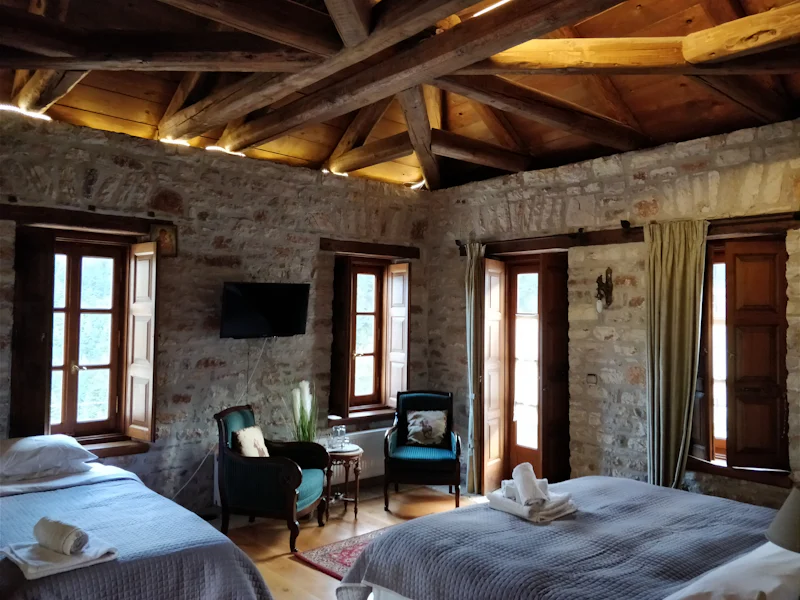
University dorms are the most straightforward option for newcomers. They typically cost between 1,000 and 3,000 RMB per month and include utilities and basic internet. The primary advantage is the streamlined residency registration managed by the international student office. Conversely, private rentals offer more space and privacy but involve complex tasks like negotiating a lease, paying agency fees (usually 35% to 100% of one month’s rent), and setting up utilities via apps like 支付宝 (Alipay). Expect to pay a deposit of one to two months’ rent upfront when signing a contract with a landlord.
Navigating the Legal Registration Process
In China, you are legally required to register your residence within 24 hours of moving into any property. If you live on campus, the university handles this automatically. If you rent privately, you must take your passport, housing contract, and landlord’s property ownership certificate (房产证 - fangchanzheng) to your local police station to receive your official registration form. Do not skip this; it is mandatory for visa extensions, opening bank accounts, and even registering for local SIM cards. Ensure your landlord is willing to provide their property documents, as some landlords avoid registration to dodge tax obligations.

Choosing the Right Neighborhood
When searching for an apartment, prioritize proximity to public transit, specifically the 地铁 (subway) lines. Many students use apps like 贝壳 (Beike) or 链家 (Lianjia) to view listings, as these platforms provide photos and transparent pricing. Look for areas populated by other students or young professionals to ensure better access to affordable grocery stores and laundromats. Avoid locations that require long commutes during peak hours, as traffic in major Chinese cities can be significant. If you choose an apartment, visit the area at night to assess noise levels and safety, as online listings often omit these details.
Essential Tools for the Search
Before you sign anything, download 高德地图 (Amap) to verify your commute time to campus and identify nearby amenities. Use a translator if you are not fluent in Mandarin, but always have a Chinese-speaking friend or a reliable agency representative review your rental contract before you sign. Pay special attention to the clause regarding early termination and security deposit refunds to avoid disputes later in the semester.
Choosing the right housing balance between institutional convenience and personal independence will define the quality of your daily life while studying abroad. Have you successfully navigated a private rental contract in China, and what was the biggest challenge you faced?
Quick Takeaways:
- University dorms handle all legal residency paperwork, making them the safest first-semester choice.
- Private landlords must provide their property certificate to register your address at the police.
- Always use professional housing apps like Beike to view verified listings and current pricing.
- Register your residence at the local police station within 24 hours of moving in.
#studenthousing #livinginchina #expatlife"
}
