Studying medicine in China is a rigorous academic journey that combines high-tech clinical training with the unique challenge of navigating a fast-paced, multilingual healthcare environment. For international students, pursuing an MBBS in China offers a cost-effective path to a medical degree that is recognized globally, provided you carefully vet your university’s accreditation status through the 教育部 (Ministry of Education) list. Success requires more than just passing exams; it demands cultural adaptability and the ability to bridge the gap between textbook theory and the realities of Chinese clinical practice.
The Academic Rigor of Medical Programs
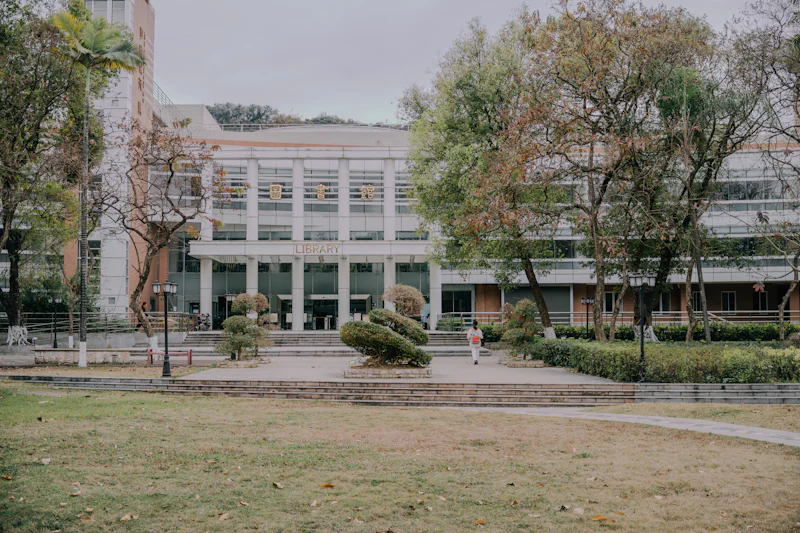
Most English-taught medical programs span six years, including a mandatory year-long clinical internship. The first three years focus heavily on pre-clinical subjects like anatomy and physiology, where the curriculum is intense and fast-paced. You should expect long hours in the library and strict attendance policies. By the fourth year, students move into clinical rotations at affiliated hospitals, known as 实习 (shíxí). Here, you will encounter a high volume of patients, which provides unparalleled exposure to diverse pathologies that you might not see as frequently in smaller medical schools abroad.
Overcoming the Language Barrier
Even in English-taught programs, you will reach a point where Chinese language proficiency becomes non-negotiable. While lectures are in English, patient interaction in hospitals happens exclusively in Chinese. Passing the HSK 3 or 4 exam is often a graduation requirement for a reason; you need to communicate basic medical history with patients. If you rely solely on translators, your clinical learning will be severely limited. Engaging in daily practice using apps like 小红书 (Xiaohongshu) to find language partners or using the hospital's internal database system is essential for your long-term success.
Real Monthly Budget Breakdowns
Living costs in China vary significantly by city, but for a typical medical student, a budget of 5,000 to 8,000 RMB per month is a realistic baseline. Off-campus housing in a tier-one city like Beijing or Shanghai can consume half of this, whereas in tier-two cities, you can rent a comfortable apartment for 1,500 to 2,500 RMB. Food is generally affordable; utilizing the university canteen or ordering via 美团 (Meituan) typically costs between 1,000 and 1,500 RMB monthly. Don't forget to budget an extra 500 RMB for utilities, mobile plans, and occasional trips to explore your region.
Adapting to the Clinical Environment
Expect to see different approaches to integrated medicine, including Traditional Chinese Medicine (TCM). You will likely spend time in 中医 (Zhōngyī) departments, which can be eye-opening. Be prepared for a hierarchical structure within the hospital; residents and students are expected to show high levels of professional respect to attending physicians. Being proactive during rounds by taking notes and showing genuine interest in case discussions is the fastest way to gain the trust of your mentors.
Choosing a path in medicine requires immense resilience, but the practical experience gained within the Chinese public health system is invaluable. Have you researched the specific clinical internship requirements for the medical university you are currently considering?
Quick Takeaways:
- Verify your university is on the official Ministry of Education international student list.
- Aim for HSK 4 proficiency to maximize your learning during clinical rotations in hospitals.
- Budget between 5,000 and 8,000 RMB monthly for comfortable living in most Chinese cities.
- Prioritize learning the local hospital's hierarchy to better navigate your mandatory clinical internships.
#studymedicineinchina #mbbsinchina #chinalife
