Moving to China for the first time is a transformative experience, but the most significant culture shock moving to China is often the sudden realization that the digital landscape and social etiquette operate on an entirely different rhythm than in the West. Whether it is the ubiquity of mobile payments or the nuanced way that social interactions unfold, the adjustment to China requires patience, observation, and an openness to shifting your perspective on daily life. This thread aims to bridge that gap by pooling the collective knowledge of our community.
Embracing the Cashless Lifestyle
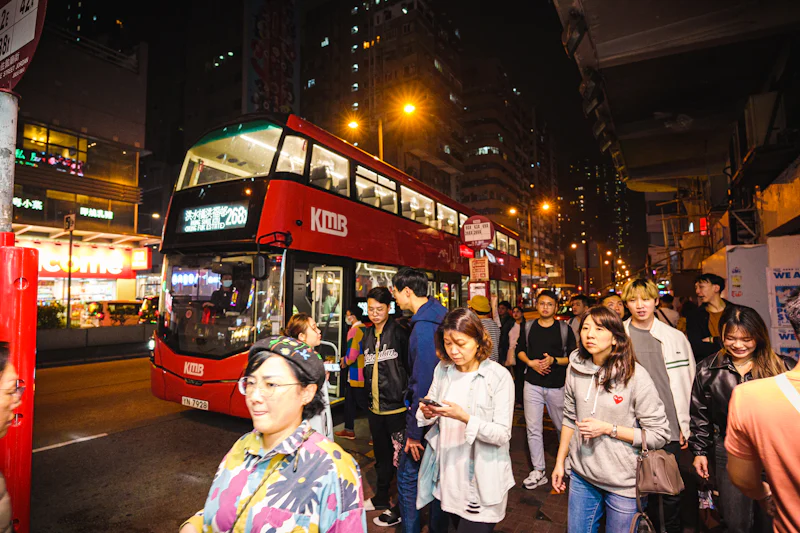
For most newcomers, the initial hurdle is the total reliance on digital ecosystems like 支付宝 (Alipay) and 微信支付 (WeChat Pay). While the convenience is unparalleled, it requires a functional bank account linked to a verified identity. Many expats find themselves surprised that physical cash is frequently not accepted at small vendors, and cards are often ignored at major retailers. If you do not have these apps set up within your first week, you will find it difficult to navigate basic tasks like grabbing a coffee or hailing a taxi via 滴滴 (Didi). The practical tip here is to verify your identity with your passport immediately upon arrival to avoid being locked out of essential features.
Decoding Social and Workplace Norms
Navigating the expat experience in China involves understanding the concept of 面子 (Mianzi/Face) and 关系 (Guanxi/Connections). In professional and personal settings, direct confrontation is rarely the most effective way to resolve a disagreement. Instead, maintaining harmony and showing respect for the collective is prioritized. If you find yourself in a meeting or a negotiation, avoid pointing out mistakes in front of others. This is not about dishonesty; it is about preservation of dignity. Learning to interpret the 'yes' that actually means 'let me consider it' is a skill that develops over months, not days. Be patient with yourself as you learn to read these subtle social cues.
Managing Expectations for Public Life
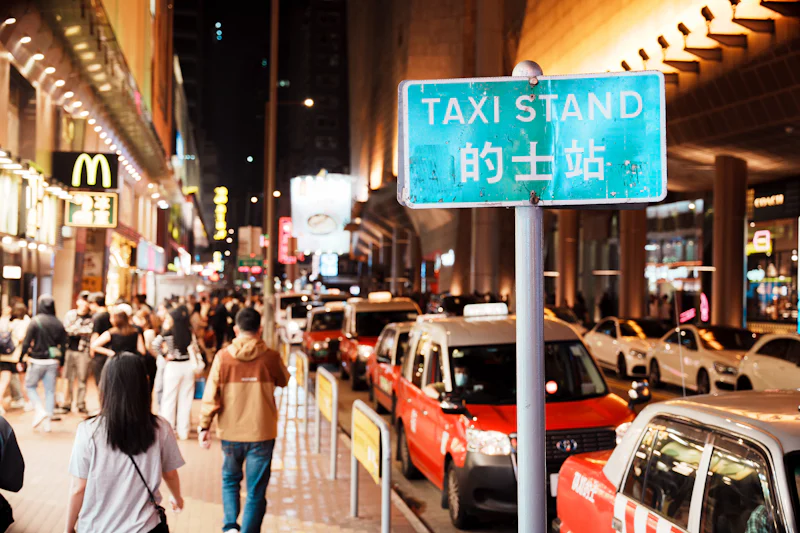
Life in China for foreigners often involves adjusting to high-density living and different boundaries of personal space. In major cities, you will likely encounter crowds during rush hour that far exceed what you are used to. Rather than viewing this as a negative, seasoned expats often reframe this as a testament to the country's scale and efficiency. Utilize the 地铁 (Subway) apps specific to your city to track real-time traffic, and understand that during holidays like 春节 (Spring Festival), travel patterns shift drastically. Planning ahead is the golden rule of navigating public spaces successfully.
The Art of the Informal Greeting
One frequent point of confusion is the common greeting of 'Have you eaten?' (你吃了吗? - Nǐ chī le ma?). For many foreigners, this sounds like an invitation to a meal, but it is actually just a polite way of saying hello. Recognizing that this phrase is a cultural artifact of concern for one's well-being, rather than a literal query, prevents misunderstandings early in your stay. Similarly, do not be offended if locals ask personal questions about your age, salary, or marital status; these are often seen as markers of friendly interest rather than intrusive prying.
Successfully managing your transition relies on your willingness to view every unexpected interaction as a learning opportunity rather than an obstacle to your daily comfort.
What is the one situation where you felt the most cultural confusion, and how did you eventually handle it?
Quick Takeaways:
- Set up Alipay and WeChat Pay immediately to handle all daily financial transactions.
- Avoid public confrontation to preserve Mianzi and maintain harmony in your professional relationships.
- Understand that personal questions about your life are often intended as friendly social gestures.
- Use city-specific transport apps to navigate busy subway systems during peak hours and holidays.
#cultureshock #expatchina #lifeinchina
