The perception that some older men in China appear aggressive often stems from significant generational differences, historical contexts, and a misunderstanding of local social norms rather than personal malice. When you encounter loud public behavior or assertive posturing, it is helpful to recognize that this generation lived through periods of extreme resource scarcity and social upheaval. What may seem like confrontation to an expat is frequently just a direct, unfiltered method of claiming space or resolving a disagreement in a public sphere that has evolved rapidly over the last four decades.
The Legacy of Scarcity and Competition
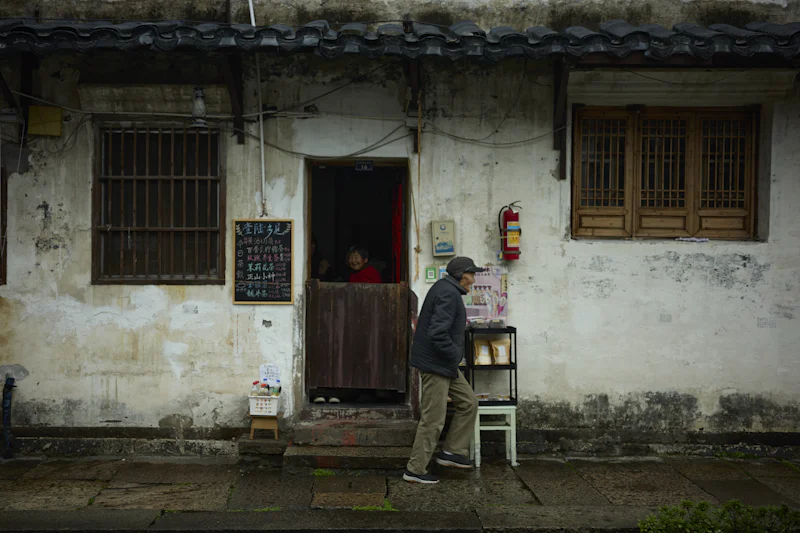
To understand the behavior of the older generation, one must look at the historical background of the 1960s and 1970s. During this time, survival often required a high degree of assertiveness. The concept of 抢 (qiǎng), meaning to grab or compete for, was a survival mechanism in a society with limited public resources. While China is now a modern, affluent economy, these ingrained habits of being the first to board a bus, pushing in lines, or loudly stating one’s opinion persist as vestiges of a past where hesitation resulted in missing out on basic needs.
The Role of Face and Social Standing
In Chinese society, the concept of 面子 (miànzi), or face, plays a central role in interpersonal dynamics. For older men, public displays of authority or vocal disagreement are often not intended to be aggressive in the Western sense, but rather a way to maintain social standing or demonstrate that they are not to be disregarded. If an older gentleman raises his voice during a dispute, he is often performing for the surrounding crowd to assert that he is in the right, rather than attacking the individual he is speaking to. Responding with equal volume usually escalates the situation, as it forces the other party to defend their reputation further.
De-escalation and Interaction Tactics
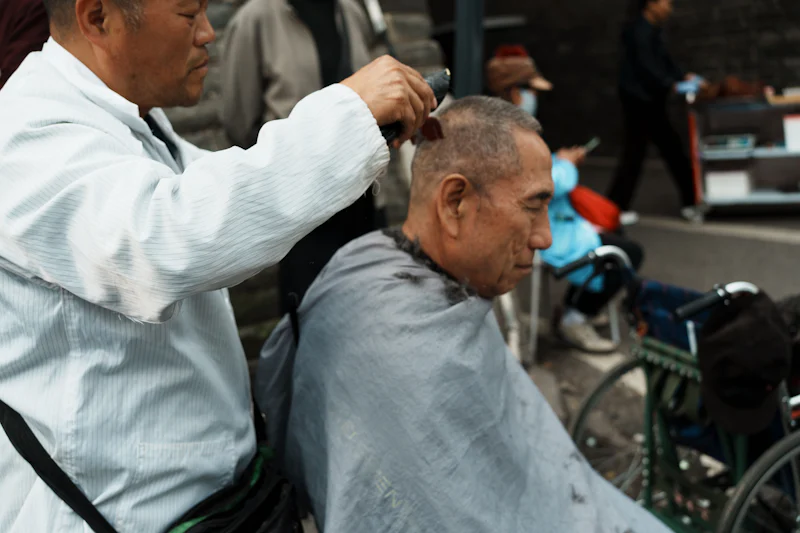
When confronted with an older individual who is being loud or aggressive, the most effective strategy is the 'cold response' or 冷处理 (lěng chǔlǐ). Avoid making direct, prolonged eye contact, which can be interpreted as a challenge to authority. Maintain a calm, neutral expression and keep your voice steady. If you are in a situation involving a service provider or a public official, try using a digital tool like 微信 (WeChat) translation features to clarify misunderstandings calmly. Showing patience and not taking the behavior personally acts as a circuit breaker, as it refuses to engage in the power dynamic the other person is trying to initiate.
Navigating Modern Public Spaces
As China becomes increasingly digital, many older people struggle to adapt to new technologies, which can cause frustration in public spaces. Someone shouting at a ticketing machine or struggling with a 二维码 (èr wéi mǎ), or QR code, is often reacting to the stress of being left behind by rapid modernization. Recognizing this technical frustration allows you to shift your perspective from feeling targeted to observing a common struggle with the pace of societal change. Maintaining a polite distance is often the best way to ensure your own comfort while navigating these crowded environments.
Understanding that these behaviors are rarely directed at you personally is the single most important mindset shift for living peacefully in China. Have you developed a specific strategy to handle tense public interactions while living here?
Quick Takeaways:
- Recognize that loud behavior is often a remnant of historical survival-based social conditioning.
- Utilize 冷处理 (cold treatment) by staying calm and avoiding direct, hostile eye contact.
- Understand that public displays are frequently about maintaining 面子 rather than attacking you.
- Distinguish between personal aggression and the frustration of struggling with modern digital systems.
#cultureshock #chinahistory #expatlife
