For U.S. citizens applying for a Chinese Z-visa, the China work visa background check level must exclusively be at the federal level, meaning a state-level check is insufficient and will be rejected by the Chinese Embassy or Consulate. Because China requires verification of your criminal history (or lack thereof), they necessitate an FBI Identity History Summary Check that has been properly authenticated through the U.S. Department of State and subsequently legalized by a Chinese Consulate. A local or state police report will not meet the legal criteria set by the Ministry of Foreign Affairs.
The Hierarchy of FBI Background Checks
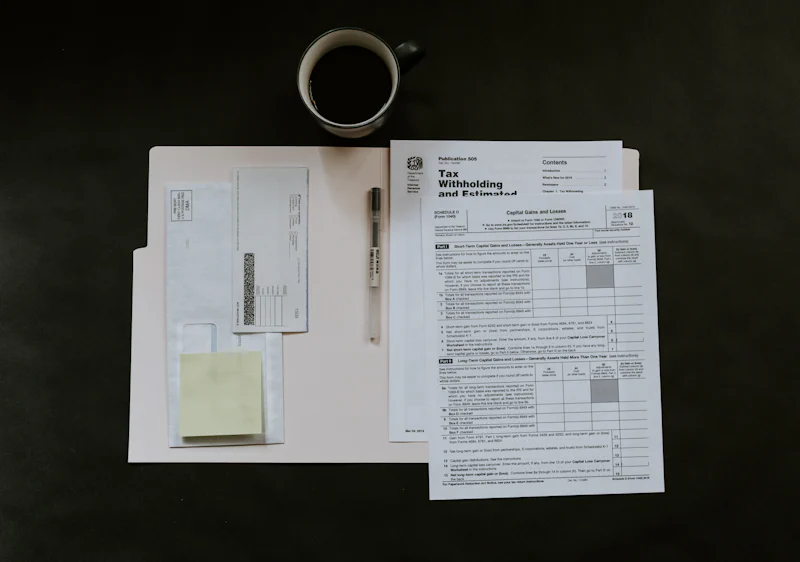
Many applicants mistakenly believe that a "clear" status from their home state is enough. In the context of China visa regulations, the Waijiaobu (Ministry of Foreign Affairs) requires a centralized national record. The FBI background check serves as the primary document to prove you have no criminal record in the United States. You must visit an approved channeling site to obtain your fingerprints, then submit them to the FBI. Once you receive your Identity History Summary, this document acts as the foundation for the authentication chain required for your Gongzuo Qianzheng (Work Visa).
The Authentication Chain Process
Authentication is not the same as notarization. It is a three-step chain of verification that proves the authenticity of your FBI document. First, your FBI background check must be authenticated by the U.S. Department of State in Washington, D.C. Second, you must take that document to the Chinese Embassy or the specific Chinese Consulate-General that has jurisdiction over the state where the document was issued (or where you reside). Third, the Consulate applies a seal or sticker verifying the Department of State's authentication. If you skip the Department of State step or attempt to use a state-level notary instead, your application will be returned.
Common Pitfalls and Timing Issues
One of the most frequent mistakes is using an outdated document. Chinese authorities typically mandate that your background check be issued within the last 6 months. If you obtain the report, let it sit on your desk for months while gathering other documents, it will expire before your Z-visa application reaches the consular office. Additionally, ensure your name matches exactly across your passport, your degree, and your background check. Even a slight discrepancy, such as a missing middle name, can cause HR departments to pause your Laodong Hetong (Labor Contract) filing process. Always start this process at least 8 to 10 weeks before your intended departure date to account for mail times and consular processing delays.
Working with Third-Party Agencies
Because the logistics of shipping documents between the FBI, the Department of State, and a Chinese Consulate can be overwhelming, many applicants use a professional document authentication agency. These services have agents physically present in D.C. to shepherd documents through the State Department. While this costs more, it significantly reduces the risk of document loss or procedural errors. If you choose this route, verify that they have experience specifically with the current requirements for Chinese legalizations, as policies for the Zhengming (Certification) process can shift based on bilateral agreements.
Ensuring your background check is a federal FBI document authenticated by the U.S. State Department is the only way to guarantee your visa application will be accepted by Chinese authorities. Have you encountered any unexpected delays or document requirements when submitting your credentials to the Chinese Consulate in your region?
Quick Takeaways:
- Always request a federal FBI check as state reports are not accepted for visas.
- Ensure the document is issued within the last 6 months before your application date.
- Complete the authentication chain with the U.S. State Department and the Chinese Consulate.
- Verify that your name matches perfectly on your passport and your background check.
#workvisa #fbi #chinaexpat
