When dealing with aggressive behavior from strangers in China, the most effective strategy is to remain calm, avoid physical confrontation, and promptly walk away. Hostility from strangers—often described as the 'aggressive old man' phenomenon—is rarely personal and usually stems from generational misunderstandings or intense frustration with public order. Engaging in an argument, regardless of the merit, will almost never result in a favorable outcome for a foreigner due to cultural differences in conflict resolution and the language barrier. Your priority must always be de-escalation rather than 'winning' the interaction.
Understand the Generational Context

Many older citizens experienced periods of extreme economic scarcity and social upheaval, which shaped a survivalist mindset that persists today. This can manifest as intense territoriality over public space, such as seat-taking on public transit or queue-jumping. When you encounter someone yelling or acting aggressively, it is helpful to recognize that this behavior is often a learned response to intense social competition rather than a targeted act of xenophobia. Responding with visible irritation or aggression will likely escalate their behavior, as they may feel the need to 'defend' their perceived status or public space.
Practice the Art of Non-Engagement
If someone is acting aggressively, the best tool at your disposal is silence. Looking away and moving to a different carriage on the subway or a different corner of a public area is the most efficient way to dissolve the tension. Do not attempt to explain yourself in broken Mandarin; providing a long explanation often fuels further frustration because it signals that you are willing to engage in a debate. If you feel the situation is becoming unsafe, look for a local uniform, such as a security guard (保安 - bǎo'ān) or a police officer (警察 - jǐngchá). These figures have the authority to manage public disputes and can act as an impartial buffer.
Maintain Awareness of Social Norms
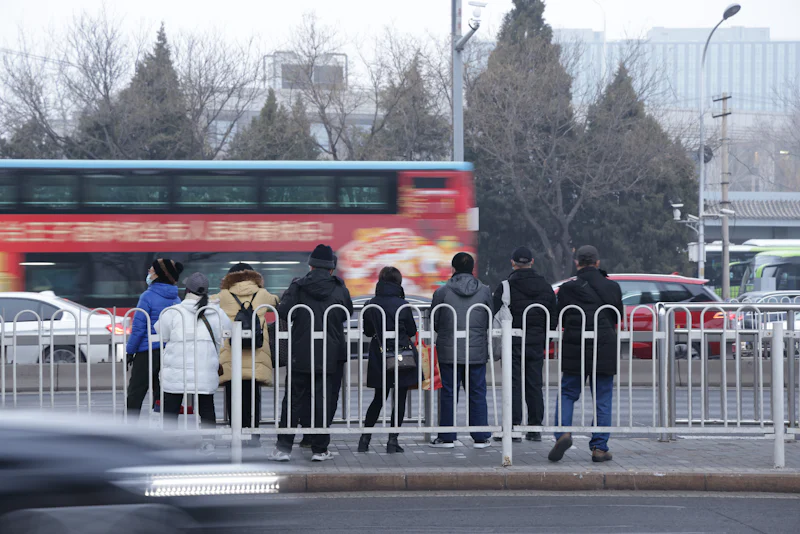
Many misunderstandings arise from unspoken rules regarding social space in China. For instance, standing too close to someone in a line or inadvertently blocking a pathway can be perceived as an act of disrespect or aggression. If you are confronted, a brief, polite nod or a soft apology like '不好意思' (bùhǎoyìsi — sorry/excuse me) can sometimes de-escalate the situation instantly. This phrase is a powerful social lubricant that signals you are aware of your surroundings and are not looking for conflict. It is not an admission of guilt, but a strategic move to acknowledge social friction and diffuse it before it escalates.
Utilize Digital Tools to Document Safely
While you should never attempt to intimidate an aggressor by filming them, keeping your phone ready for safety is wise. If the behavior becomes threatening, you can use your smartphone to record or call for help. Having a taxi-hailing app like 滴滴 (Didi) ready allows you to exit an uncomfortable situation immediately if you are on the street. If the aggression occurs in a shop or restaurant, communicate with the staff, as they have a vested interest in maintaining a peaceful environment for their customers and will often intervene to protect the business's atmosphere.
Disengaging from conflict is the most powerful way to maintain your safety and composure while living in China. Have you ever encountered a tense situation with a stranger, and what specific action did you take to defuse it?
Quick Takeaways:
- Prioritize de-escalation by remaining silent and walking away from confrontational individuals.
- Use the phrase bùhǎoyìsi to acknowledge social friction and diffuse potential arguments.
- Seek out a bǎo'ān or security guard if a public dispute becomes overwhelming.
- Avoid trying to win arguments, as language barriers and cultural differences make success unlikely.
#chinaculture #expatsafety #socialnorms
