The oceanographic team aboard the “Xue Long 2,” China’s first domestically built polar icebreaker, has officially completed its deep-sea research tasks for the 42nd Antarctic expedition as of February 26, 2026. This milestone marks the successful conclusion of multi-disciplinary surveys focused on some of the most critical and challenging waters surrounding the frozen continent.
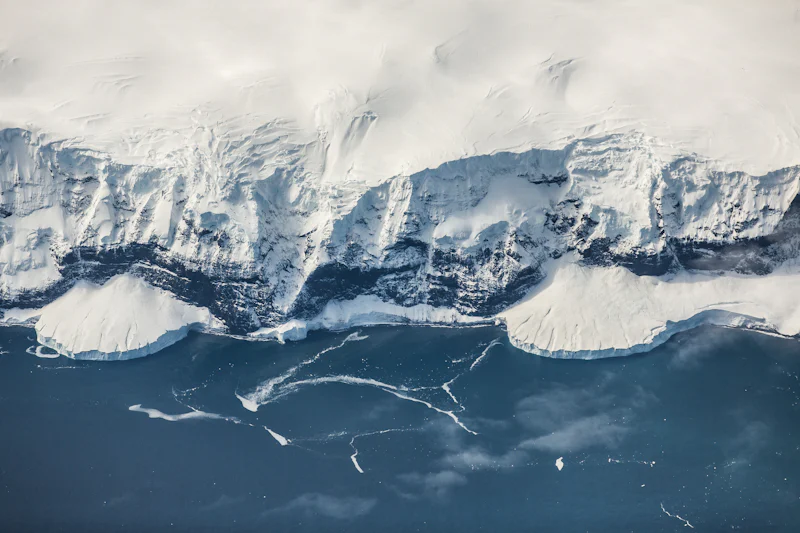
During this phase of the mission, the team conducted comprehensive investigations in the waters adjacent to the Antarctic Peninsula and the Cosmonaut Sea. The scope of the research was vast, covering the atmosphere, sea ice, water columns, and sediment. Over the course of the operation, researchers completed 38 survey stations across six distinct cross-sections, collecting vital data on bio-ecology and environmental pollutants.
Advanced Technology at the Service of Science
To gain a deeper understanding of the Antarctic’s hidden processes, the expedition deployed sophisticated monitoring equipment. This included the installation of 15 seafloor seismic monitoring arrays and the management of sub-surface moorings to track long-term changes in ocean physics and chemistry. These efforts are part of a larger push to understand how the Southern Ocean regulates the global climate and influences the carbon cycle.
The data gathered during this mission is expected to provide a solid foundation for further polar research, helping scientists worldwide better understand the potential impacts of climate change on delicate polar ecosystems.
Looking Ahead: The Next Phase
While a portion of the oceanographic team will now depart for home via Hobart, Australia, the “Xue Long 2” is not finished yet. The vessel is scheduled to travel to Prydz Bay to begin a joint autumn and winter survey. This continued presence in the Antarctic will provide even more nuanced data on how polar environments evolve during the transition between seasons, offering invaluable insights for international environmental protection and polar governance.
#AntarcticResearch #XueLong2 #ClimateChange #ScientificDiscovery #PolarExpedition
