The narrative of a complete expat exodus from China in 2024 is largely a misconception driven by shifting demographics rather than a mass departure of professionals. While the transient community of short-term travelers and casual English teachers has thinned, the core population of long-term residents remains stable and, in many cases, deeply integrated into the local economic landscape. The environment has evolved, shifting from the 'easy-entry' era of the past to a more professionalized, regulated, and digitised landscape that prioritizes long-term commitment over casual stays.
Shifting Demographics and Resident Profiles
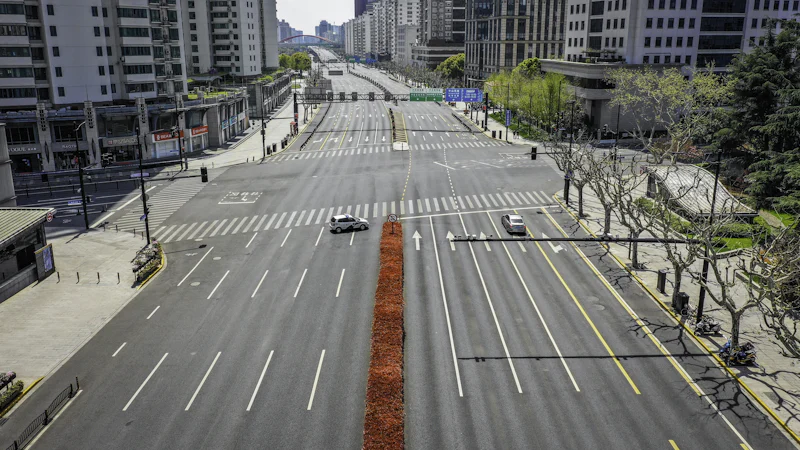
Recent data suggests that while the visible numbers of Westerners in nightlife hubs or tourist areas appear lower than in 2015, the actual number of registered foreign residents holding work permits remains steady in tier-one cities like Shanghai and Shenzhen. The decline is most noticeable in the 'visa-run' crowd. With the implementation of stricter entry requirements and the increased use of the 居住登记 (Temporary Residence Registration) system, individuals who previously occupied a gray area in the visa ecosystem have largely exited. Today's foreigner life in Shanghai is characterized by a high degree of integration, where mobile payment systems like 支付宝 (Alipay) and 微信支付 (WeChat Pay) are no longer optional tools but daily necessities for navigating local life.
Navigating the New Digital Reality
Living in China in 2024 requires a different skill set than it did a decade ago. The digital ecosystem, anchored by the 超级应用 (Super-app) model, has made life significantly more convenient but also harder to access for those without proper documentation. Residents are now expected to have their 外国人工作许可证 (Foreigner’s Work Permit) synced with their digital identities. This integration ensures that banking, tax filing, and even booking high-speed rail tickets are seamless, provided one's credentials are fully digitized. The 'expat exodus' rhetoric often ignores the fact that these digital upgrades require a level of administrative transparency that rewards long-term residents and makes temporary, low-skilled work increasingly difficult to sustain.

Economic Resilience and Professional Opportunity
For many, the decision to stay in China is driven by professional necessity and deep-rooted personal networks. Major multinational corporations and local tech giants continue to hire international talent, provided they possess specialized skills in R&D, green energy, or cross-border trade. This focus on high-skill migration means that while the total volume of expats might be lower, the economic impact and individual integration of those who remain is arguably higher. When considering whether to stay, many professionals evaluate the 'cost of living' versus the 'ease of lifestyle,' finding that with the correct digital setup, the quality of life remains competitive globally.
Distinguishing Between Tourists and Residents
It is vital to distinguish between a drop in inbound tourism and the reality for those living here. Tourism, while picking up post-pandemic, has not reached 2019 levels, contributing to the feeling that China is 'emptying out.' However, the resident population has stabilized after the turbulence of previous years. For those planning to stay, the key is maintaining a clean record with the 出入境管理局 (Exit-Entry Administration Bureau) and ensuring all physical and digital permits remain up-to-date.
Ultimately, the landscape has not vanished; it has simply matured into an environment that favors stable, long-term professionals over transient opportunists. Does your own experience in your city mirror this transition toward a more professionalized and digitized resident experience?
Quick Takeaways:
- Temporary resident registrations are now mandatory and strictly enforced for all foreign nationals.
- High-skill employment is the primary driver for successful, long-term residency in major cities.
- Digital integration via local apps is essential for navigating daily life in 2024.
- The decline in visible foreigners is primarily due to fewer short-term travelers and transients.
#expatexodus #livinginchina #shanghailife
