In most cases, you do not need to keep a Chinese phone number after leaving the country, though managing existing accounts like 支付宝 (Alipay) or 淘宝 (Taobao) may become significantly more complicated without one. While some expatriates attempt to maintain their local SIM card by paying monthly fees from abroad, roaming charges are often prohibitive and networks frequently deactivate numbers if they detect continuous international usage. For most people, it is far more efficient to transition your essential digital services to international contact methods before you depart.
The Reality of Long-Distance Roaming
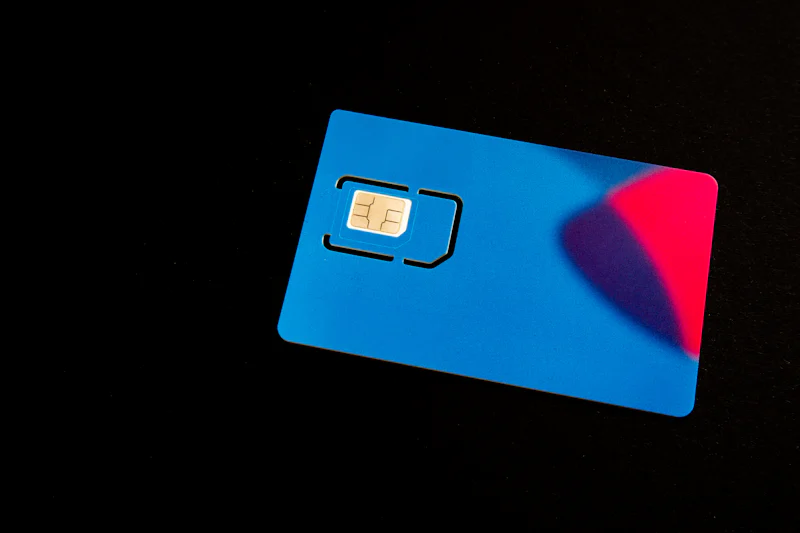
Maintaining a mainland SIM card from outside China is technically challenging. Most Chinese carriers require the phone to connect to a local tower at least once every few months to avoid suspension. Even if you enable international roaming, you will likely face high monthly maintenance fees for a service that rarely works reliably for receiving SMS verification codes abroad. Carriers such as 中国移动 (China Mobile) and 中国联通 (China Unicom) have strict policies against long-term inactivity or sustained overseas data usage, often resulting in the permanent reclamation of your mobile number without prior notice.
Managing Taobao and Digital Services
If you have a significant purchase history or remaining funds in your 淘宝 (Taobao) account, you should update your security settings before leaving. Accessing these platforms often requires an SMS verification code sent to your registered Chinese number. If you lose access to this number, recovering your account becomes a tedious process involving customer service representatives who may only speak Mandarin. Transitioning your accounts to an international email address or a stable, long-term international phone number is the recommended approach for any foreigner transitioning out of the Chinese digital ecosystem.

VoIP Alternatives for Occasional Access
If you absolutely require a Chinese presence for business or occasional personal contact, consider using VoIP services that offer virtual Chinese phone numbers. These services allow you to receive SMS verification codes directly to an app rather than a physical SIM card. While these virtual numbers may not be compatible with every financial institution’s security protocols, they are sufficient for navigating public websites or social media platforms. Be aware that these services are strictly regulated and may not support the security requirements of primary banking apps.
Preparing Your Accounts for Departure
Before you exit the country, spend a day consolidating your accounts. Ensure your 微信 (WeChat), 支付宝 (Alipay), and bank accounts are linked to an international mobile number if possible, or ensure you have generated all necessary recovery codes. If you must keep a physical Chinese number, visit your local branch to inquire about a 'low-cost retention plan' (often called 保号套餐), which minimizes monthly costs while keeping the account active. However, always treat this as a temporary fix, as the risks of losing your number remain high.
If you have already left China, have you successfully managed to keep your accounts active using an international number, or did you find it easier to simply abandon your old profiles?
Quick Takeaways:
- Carriers often deactivate Chinese SIM cards if they detect continuous usage abroad.
- Transition all your essential accounts to an international phone number before departure.
- Use a low-cost retention plan if you absolutely must keep your Chinese number.
- Virtual numbers provide a temporary alternative for receiving SMS codes from certain platforms.
#expatchina #chinatech #digitallife
