If you are finding Wuxi food too sweet, you are not alone; the city is world-famous for its culinary reliance on sugar, which acts as a flavor enhancer in the local 'Benbang' (native) cuisine. While many newcomers struggle to adapt to dishes that taste like dessert, this sweetness is a deliberate, historic signature of the region's culinary identity. Understanding the history of sugar usage and learning how to navigate restaurant menus will turn your dining experience from a sugary shock into an appreciation for one of China’s most refined regional cooking styles.
The Logic Behind the Sugar
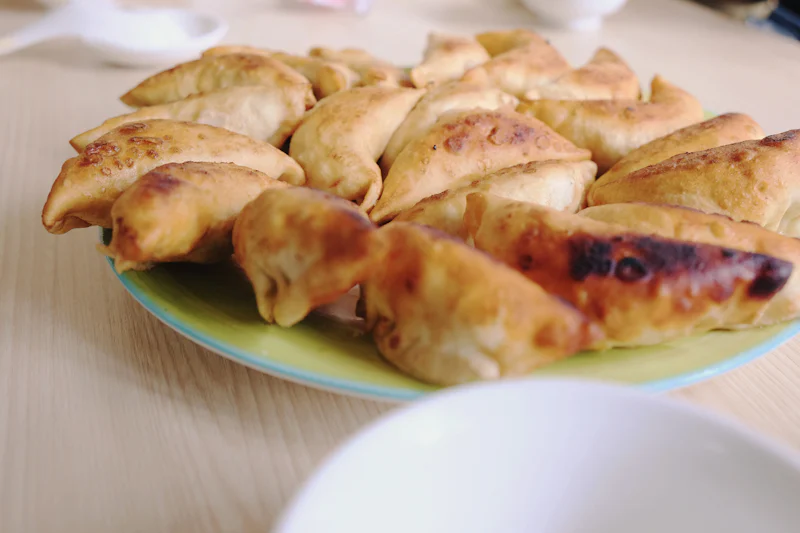
Wuxi is located in the heart of the Jiangnan region, a historical center of wealth where sugar was once a luxury commodity used to signify status. In traditional Benbang cuisine, sugar is not used to make food 'dessert-like' but to balance the saltiness of soy sauce and to tenderize tougher cuts of meat. The most iconic example is the Wuxi Paigu (Wuxi spareribs), which are braised until the fat is perfectly rendered. The sugar caramelizes during the long cooking process, creating a glossy, savory-sweet glaze that is intended to emphasize the 'umami' notes of the pork rather than overpower them.
Identifying High-Sugar Dishes
Not all Wuxi food is overwhelmingly sweet, but certain categories are inherently sugar-heavy. Be wary of any dish labeled 'red-braised' (hongshao). The standard recipe for red-braising involves a heavy hand of sugar and dark soy sauce. Cold appetizers, especially those involving lotus root (ou) or vegetable stems, often feature a vinegar and sugar marinade that many foreigners find jarring. If you see 'sweet and sour' (tangcu) in the name, assume the sugar content will be very high. If you are sensitive to sweetness, these items should be treated as occasional treats rather than staple meals.
Ordering Strategies for Savory Lovers
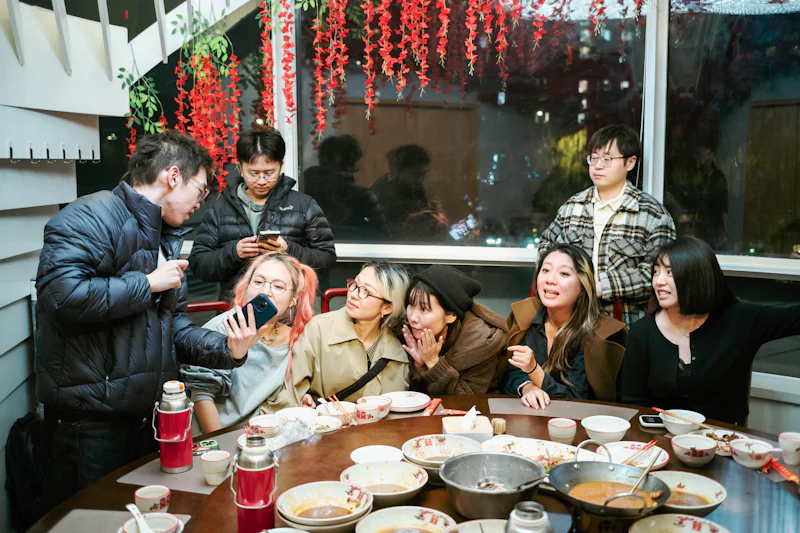
If you want to avoid a sugar overload, prioritize cooking methods that highlight raw ingredients. Steamed dishes (zheng) and stir-fries (chao) typically contain far less sugar than braised or stewed items. You can often ask the server to 'shao fang tang' (use less sugar) or simply request dishes that focus on 'qingdan' (light and mild flavors). When using food apps like 饿了么 (Ele.me), look for restaurants that specialize in spicy Sichuan or Hunan cuisine, as these kitchens often use heat to mask or minimize the local penchant for sugar. Alternatively, look for shops serving handmade noodles, which often rely on a clear bone broth base that avoids the heavy sweetness of the regional meat dishes.
The Role of Tea and Condiments
Local dining culture is designed to counteract the sweetness of the food. You will notice that many Wuxi locals drink green tea throughout their meals. The tannins in the tea act as a palate cleanser, cutting through the richness and sugar content of the Benbang dishes. If you find a dish particularly cloying, pair it with a strong cup of tea or ask for a side of lajiao (chili oil). Adding a bit of heat is the most effective way to pivot a dish from 'sweet' to 'savory' while respecting the integrity of the original preparation.
Mastering the local palate is about finding the balance between enjoying traditional delicacies and knowing which cooking methods align with your personal preference for salt versus sugar. Which regional Chinese cuisine do you find the most challenging to adapt to when first arriving in the country?
Quick Takeaways:
- Sugar is used historically in Wuxi to balance soy sauce and tenderize fatty meats.
- Avoid dishes labeled 'hongshao' or 'tangcu' if you prefer to minimize your sugar intake.
- Use the phrase 'shao fang tang' to request that the chef use less sugar.
- Pair sugary dishes with green tea or chili oil to balance the intense flavors.
#wuxifood #chinesecuisine #expatliving
