No, burping competitions are absolutely not a standard or encouraged part of Chinese office culture. While you may occasionally encounter a colleague who is less inhibited about bodily functions due to personal habits or regional differences in social etiquette, this is considered unprofessional behavior in any formal Chinese corporate setting. If you witness this, it is likely an isolated personal quirk rather than a cultural norm. Understanding the nuances of Chinese office culture etiquette requires distinguishing between traditional social dining habits and the expectations of a professional workplace environment.
Workplace Etiquette vs. Personal Habit
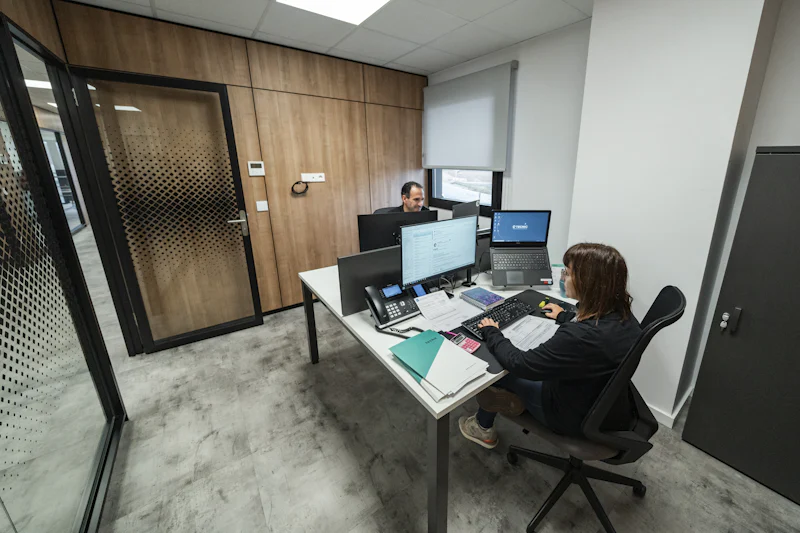
In many parts of China, particularly in rural or informal settings, burping after a meal can historically be viewed as a sign of appreciation for the host's hospitality. However, this logic does not apply to the office. Within a professional environment—such as a multinational corporation or a modern Chinese tech firm—employees are expected to adhere to international standards of office conduct. If a colleague is frequently belching, it is not a 'cultural requirement' but rather a lack of workplace awareness. When dealing with such behaviors, it is best to ignore them rather than confront the individual, as public reprimands can cause a significant loss of 面子 (miànzi, or face), which is highly disruptive to team harmony.
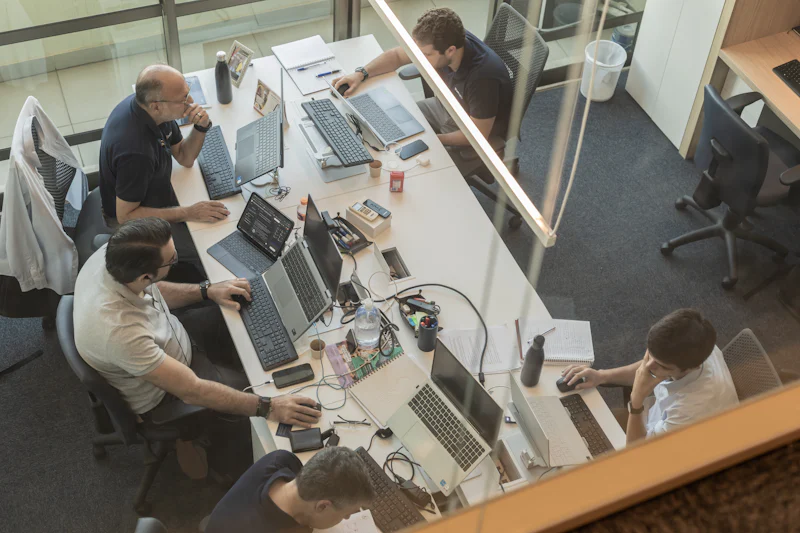
Navigating Cultural Misunderstandings
Foreigners often mistake a relaxed office atmosphere for a lack of rules. In reality, Chinese companies place a high premium on order and collective harmony. Concepts like 关系 (guānxì, or social connection/relationships) and workplace hierarchy dictate behavior far more strictly than in many Western offices. If you feel like a workplace environment is 'unprofessional' based on certain habits, evaluate if it is a company-wide policy or just the behavior of one individual. Generally, Chinese offices are quite hierarchical, and managers expect employees to maintain a clean and respectful personal image. If you are ever unsure about a behavior, observe how the senior managers conduct themselves, as they set the tone for the rest of the staff.
Practical Professional Norms
Professionalism in China is often demonstrated through subtle cues rather than written handbooks. You are expected to be punctual, dress appropriately for your industry, and show respect to your superiors. If you work in a traditional setting, you may notice colleagues taking long lunch breaks or occasionally napping at their desks, known as 午休 (wǔxiū, or nap time). This is a common and accepted cultural practice, unlike burping. Understanding these nuances helps you avoid labeling valid cultural practices as 'unprofessional' while helping you identify genuine behavioral lapses. When in doubt, prioritize quiet focus and polite interaction, which are universally valued in Chinese workplaces regardless of the specific company culture.
Respecting local workplace expectations involves discerning between culturally acceptable office practices like the midday rest and genuinely unprofessional conduct that violates common office decorum.
Have you ever encountered a behavior in your Chinese office that left you wondering if it was a cultural norm or just an individual habit?
Quick Takeaways:
- Burping is not an accepted office norm regardless of occasional individual lapses in judgment.
- Distinguish between common practices like 午休 and genuine violations of professional corporate etiquette.
- Always prioritize maintaining 面子 by avoiding public confrontation over minor workplace behavior annoyances.
- Observe senior management to determine the accepted behavioral standards within your specific company environment.
#chineseofficeculture #expattips #workinginchina
