Dealing with rental apartment sewer issues in China requires a proactive approach centered on immediate documentation and clear communication with your landlord. While many lease agreements imply that structural repairs fall on the owner, the reality of maintenance in China often involves bureaucratic delays and linguistic barriers. Success depends on acting quickly to prevent long-term damage, such as the growth of apartment mold, and ensuring that your repair requests are documented through official channels so they can be referenced later if you need to withhold rent or request a contract termination.
Assess the Severity and Document the Damage
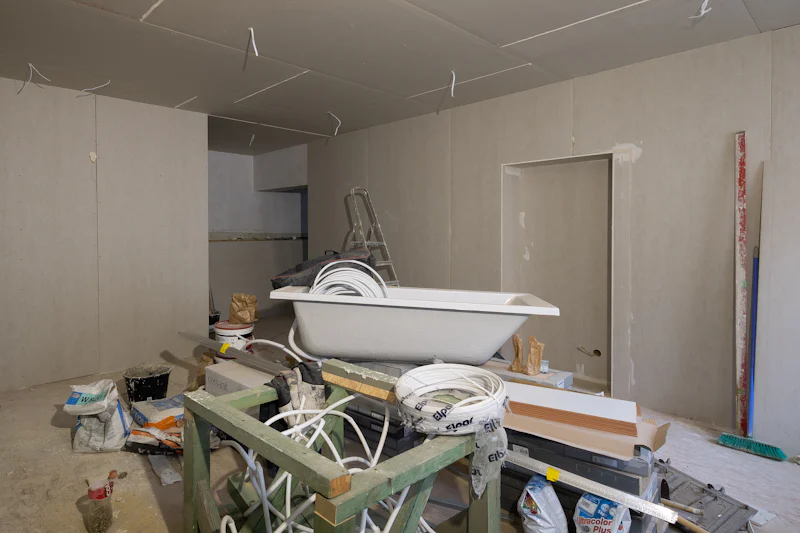
When a sewer backup or blockage occurs, stop using the water immediately to prevent flooding. Take high-resolution photos and videos of the affected area, as these will serve as your primary evidence for the 房东 (fángdōng - landlord). Do not attempt to fix major structural plumbing issues yourself, as this may void your liability protection. Instead, use a tool like 大众点评 (Dàzhèdàzhòng diǎnpíng) to find a local, high-rated plumber to provide a professional assessment or quote. Sending this quote to your landlord shows you are serious and helps justify the cost of the repair.
Communicate Through Official Channels
Avoid relying solely on voice calls to resolve maintenance issues. All communication regarding repair requests should occur in writing via 微信 (Wēixìn - WeChat). By sending your messages through this platform, you create a time-stamped log of your requests. If the landlord ignores your messages, keep a record of these attempts. If you are dealing with a property agent or a management company, insist on having the repair order placed in their internal system. If the issue is persistent, such as recurring pipe leaks, inform the landlord that the resulting humidity is causing 'apartment mold,' which poses a health risk; this often creates a sense of urgency that minor plumbing issues alone might not trigger.
Navigate Hidden Lease Clauses
Many standard rental contracts in China contain vague language regarding 'wear and tear.' Review your contract specifically for the 维修责任 (wéixiū zérèn - maintenance responsibility) clause. Generally, structural items like pipes, main drains, and load-bearing walls are the landlord's responsibility, while consumable items like light bulbs or showerheads fall on the tenant. If your contract is ambiguous, refer to the 民法典 (mínfǎdiǎn - Civil Code of the People's Republic of China), which stipulates that landlords are generally obligated to keep leased premises in a condition suitable for their agreed-upon use.
Escalate If Maintenance Fails
If the landlord fails to act within 48 to 72 hours, send a formal reminder stating that the apartment is becoming uninhabitable. In severe cases, you may need to involve your local neighborhood committee, known as the 居委会 (jūwěihuì - Residents' Committee). They often act as mediators in domestic disputes. If you must hire a professional yourself, ensure you obtain a 发票 (fāpiào - official invoice) for the work, which you can then present to the landlord to request a deduction from next month’s rent.
Document everything in writing immediately, as your digital trail is your only leverage when dealing with unresponsive landlords or management agencies regarding major structural failures.
What is the most effective way you have managed to get a landlord to agree to a rent deduction for emergency repairs?
Quick Takeaways:
- Document all sewer damage with photos and send them via WeChat for evidence.
- Check your lease for maintenance clauses regarding structural repairs versus standard tenant wear.
- Use the Civil Code of the PRC to support your rights during disputes.
- Always request an official 发票 if you pay for urgent repairs yourself.
#livinginchina #expatlife #rentaladvice
