Expats often find themselves in a moral tug-of-war when discussing the gig economy in China, balancing the undeniable convenience of hyper-efficient services against the increasingly visible, high-pressure realities faced by workers. While platforms like 美团 (Meituan) and 饿了么 (Ele.me) have made daily life seamless, the underlying infrastructure relies on a system that prioritizes algorithmic speed over labor protections. Recognizing this friction is the first step toward understanding the complex social contract that fuels the modern urban Chinese experience.
The Paradox of Unrivaled Convenience
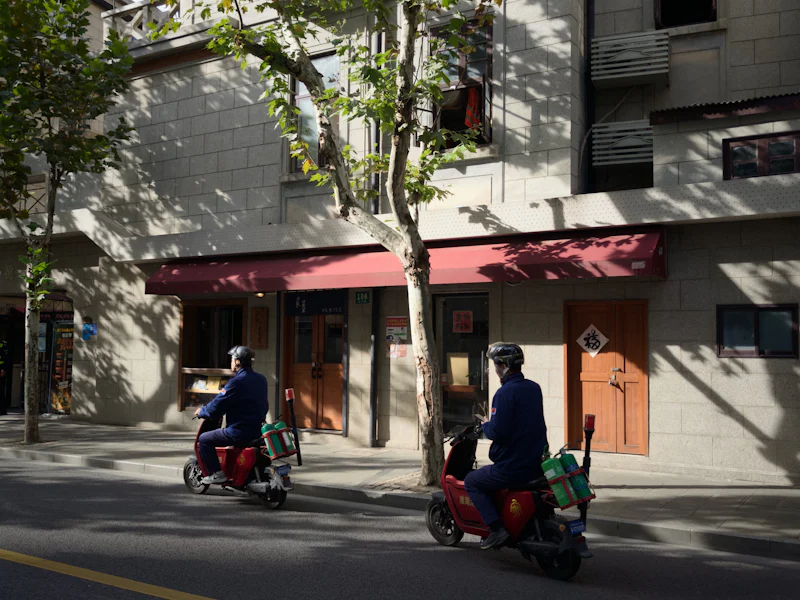
Living in China means having almost anything delivered within 30 to 60 minutes. From hot meals to groceries and even medication, the speed is facilitated by an advanced 平台经济 (platform economy). For many expats, this is the hallmark of China’s modernization. However, this speed is not a result of technological magic alone; it is sustained by an intense, data-driven management style where riders are monitored by real-time GPS tracking. The delivery fee, often as low as 3 to 5 RMB, creates a psychological distance between the consumer and the human effort required to complete the delivery.
The Reality of Algorithmic Management
Behind the seamless interface of 支付宝 (Alipay) or 微信 (WeChat) mini-programs lies an aggressive algorithm. Riders are often rated by their ability to meet impossible delivery windows, which are frequently shortened by the system based on historical data. If a rider misses a deadline, they face financial penalties. This has created a stressful work environment where safety often competes with efficiency. Expats may notice riders navigating traffic aggressively or taking risks, which is a direct consequence of this pressure-cooker environment. Understanding that the ‘delivery delay’ notification is often a symptom of a systemic issue—not a lazy worker—shifts the perspective on how we interact with these apps.

Rethinking the Ethics of Consumption
As members of the expat community, our choices carry weight within this ecosystem. Some users have begun opting for longer delivery windows when the platform allows, or being more forgiving with ratings during inclement weather. It is important to remember that 外卖小哥 (delivery brothers) are individual contractors, not salaried employees. They lack the standard benefits and job security that many office-based employees in China enjoy. Being aware of the 'gig' nature of the work—and the lack of a safety net for these workers—allows for a more empathetic approach to daily usage.
Navigating the Grey Areas of Delivery
When a delivery goes wrong, the default reaction for many is to leave a one-star review. However, in the context of the platform economy, a single negative rating can result in a significant deduction from a rider's daily wage. If you face a genuine issue with an order, consider using the platform’s chat function to resolve the issue directly with the merchant or rider rather than resorting to an immediate penalty. In many cities, community groups and social media threads have started tracking how riders are treated during extreme heat or freezing winters, advocating for better labor conditions.
True convenience in China is subsidized by the precarious labor of millions, and acknowledging this is essential for any responsible resident.
What changes have you made to your own delivery habits after learning more about the pressures faced by gig workers in China?
Quick Takeaways:
- Algorithmic management enforces strict delivery windows that often prioritize speed over rider safety.
- Delivery workers are independent contractors who lack standard corporate benefits and job security protections.
- Negative ratings directly penalize a rider's daily income and carry heavy personal consequences.
- Choosing longer delivery windows helps reduce the artificial pressure exerted on individual delivery staff.
#chinaexpats #gigeconomy #platformeconomy
