Finding exotic spirits like Habushu (snake wine) or rare international imports in Guangzhou requires moving beyond standard convenience stores and into specialized wholesale markets or high-end importer hubs. While major supermarket chains like Ole' Supermarket carry a decent range of premium labels, finding truly niche items necessitates access to the city's professional alcohol distribution networks. The most effective approach involves visiting designated import trade zones or leveraging digital platforms that connect buyers directly with licensed distributors, ensuring you avoid the prevalence of counterfeits in the secondary market.
Navigate the Wholesale Markets
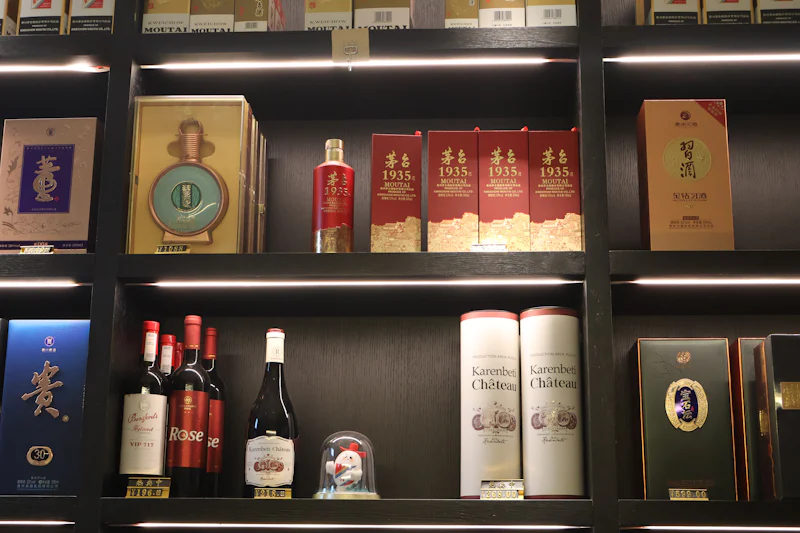
Guangzhou is home to massive wholesale clusters where professional buyers source inventory for hotels and luxury bars. The Heishitou (Black Stone) area and the surrounding districts near the Jiangnan market feature specialized alcohol warehouses. These vendors often deal in bulk but will cater to individual collectors if you approach them professionally. When visiting, bring a translator or use 微信 (WeChat) translation tools to negotiate prices. Many vendors have physical showrooms where you can inspect imported seals, which is critical for verifying authenticity before making a high-value purchase.
Leverage Online Sourcing Platforms
If physical exploration proves too time-consuming, the most reliable method for finding specific, hard-to-find spirits is through 京东 (JD.com)’s flagship import sections or specialized 小红书 (Xiaohongshu) merchant boutiques. These platforms offer robust consumer protection policies. When searching for rare items, use the specific Chinese characters for the product—for example, searching for snake wine under its traditional name 蛇酒 (Shejiu) will yield significantly more results than searching in English. Always verify that the store is an 'official enterprise' (企业店) to ensure the product has passed necessary customs inspections.
Connect with High-End Importers
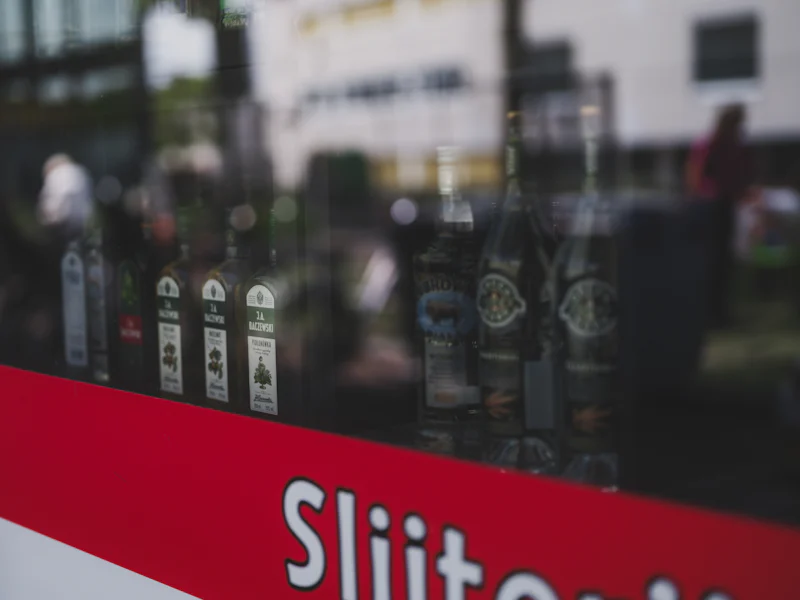
For rare international bottles that are not listed on standard retail apps, contacting a licensed alcohol importer is the best path. Guangzhou’s expat-focused bars and high-end hotels work with specific distributors who hold the licenses to bring niche spirits into the country. If you find a restaurant that serves the specific liquor you are looking for, politely ask the staff for the name of their supplier or the importer listed on the import manifest. Engaging these distributors directly can sometimes allow you to purchase a bottle at a 'dealer price,' provided you are willing to pay for shipping from their bonded warehouse.
Verify Authenticity and Customs Documentation
Regardless of where you source your liquor, always prioritize safety. Check for the CIQ (China Inspection and Quarantine) label on the bottle. In China, authentic imported alcohol must have a physical label in Chinese detailing the importer, the origin, and the ingredients. If a bottle lacks this, it is likely a 'grey market' import and carries a higher risk of being a counterfeit. Never purchase premium spirits from informal street vendors or unverified individuals on social media platforms without a clear track record of legitimate transactions.
Securing rare liquor is a game of verifying your supply chain and utilizing local trade networks effectively. What is the most difficult spirit you have successfully managed to track down in China?
Quick Takeaways:
- Check official CIQ labels to ensure your exotic spirit is legally imported.
- Use Xiaohongshu and JD.com to find licensed distributors for rare specialty products.
- Visit wholesale districts in Guangzhou to access professional, high-volume inventory warehouses directly.
- Ask high-end bar staff for their supplier contacts to source hard-to-find international bottles.
#guangzhouexpat #chinaliving #importedspirits
