Traditional Chinese vegetarian recipes featuring legumes and rice rely on the precise application of aromatic oils and slow-braising techniques rather than simply boiling ingredients together. To elevate your home-cooked meals, focus on creating deep umami foundations using fermented pantry staples like doubanjiang (spicy bean paste) or furu (fermented bean curd). Mastering the balance between texture and savory seasoning allows you to transform humble pulses and grains into dishes that rival meat-centric alternatives in flavor complexity and satiety. This approach ensures your meatless Chinese diet remains both authentic and nutritionally dense.
Utilizing Fermented Seasonings for Depth
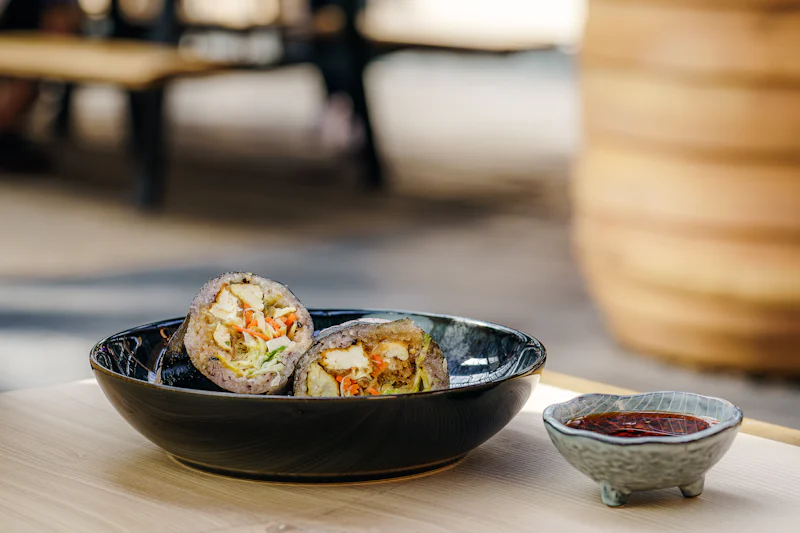
The secret to transforming simple mung beans or chickpeas in a Chinese kitchen lies in the use of fermented seasonings. Instead of salt alone, introduce doubanjiang (spicy bean paste) during the initial frying stage, known as 'blossoming the aromatics.' By heating ginger, garlic, and your bean paste in oil for 45 seconds before adding legumes, you extract deep, earthy notes that act as a savory anchor for the dish. This technique is common in Sichuan (Sichuan province) cuisine to replace the depth usually provided by animal fats.
Texture Balancing with Congee and Braise
Chinese home cooking often contrasts soft, mushy textures with firm, crunchy ones. For rice-based meals, consider moving beyond steamed white rice toward zhou (congee), a slow-cooked rice porridge. To make this a robust vegetarian main, stir in pre-soaked adzuki beans or mung beans halfway through the simmering process. To provide the necessary 'bite,' top your bowl with crispy you-tiao (fried dough strips) or sautéed mushrooms finished with a splash of dark soy sauce. This method ensures your legumes absorb the starches from the rice, resulting in a velvety, comforting consistency that feels complete without meat.
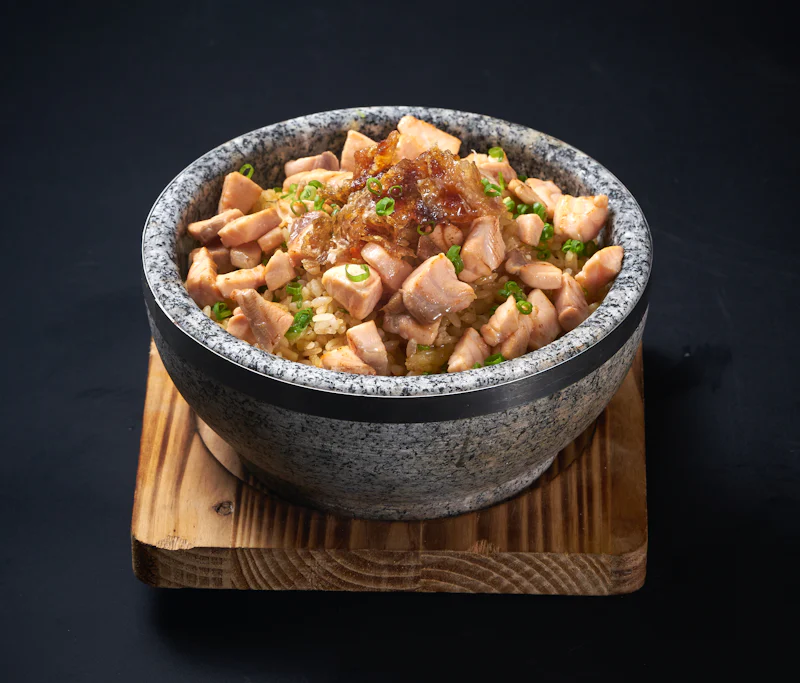
Mastering the 'Red-Cooking' Technique
'Red-cooking,' or hongshao (braising in soy sauce), is an ideal method for large legumes like chickpeas or dried kidney beans. The process involves simmering the legumes in a mixture of water, soy sauce, rock sugar, star, and a piece of cinnamon. After the beans reach a tender state, allow the liquid to reduce over high heat until it forms a sticky, caramelized glaze. Serving this over steamed jasmine rice allows the legumes to act as the primary protein source while mimicking the savory, sticky profile of traditional red-braised pork.
Essential Pantry Additions
To maintain a healthy meatless diet, stock your kitchen with specific plant-based umami boosters. Keep a jar of furu (fermented bean curd) on hand; mashing one block into a stir-fry provides an intense, savory creaminess that mimics cheese or heavy cream. Additionally, look for dried mu-er (wood ear mushrooms) to add a distinct, crunchy texture to legume-heavy stir-fries. These items are easily accessible in any local cai-shichang (wet market) or supermarket, often found in the dry goods section.
Building a repertoire of vegetarian Chinese meals is fundamentally about layering textures and utilizing fermented ingredients to replicate the richness typically associated with meat-based dishes.
What is your go-to pantry staple when you need to add savory depth to a vegetarian meal?
Quick Takeaways:
- Fry doubanjiang in oil for 45 seconds to create a deep umami foundation.
- Combine adzuki beans with zhou to increase protein density in rice-based breakfasts.
- Apply the hongshao method to reduce braising liquid into a thick, savory glaze.
- Use mashed furu as a plant-based substitute for creamy, savory richness in dishes.
#chinesecooking #vegetarianlife #homecooking
