The 144-hour visa-free transit route is flexible, but it strictly requires your travel to be a continuous journey between three different countries or regions. You cannot use it for a simple round-trip flight (e.g., USA–China–USA), even if the transit time is under 144 hours. The primary rule is that China must serve as a transit point between two distinct international points. If your itinerary involves Japan to China and then South Korea, you are fully compliant, as your entry point and exit point are different territories outside of mainland China.
The Three-Region Rule
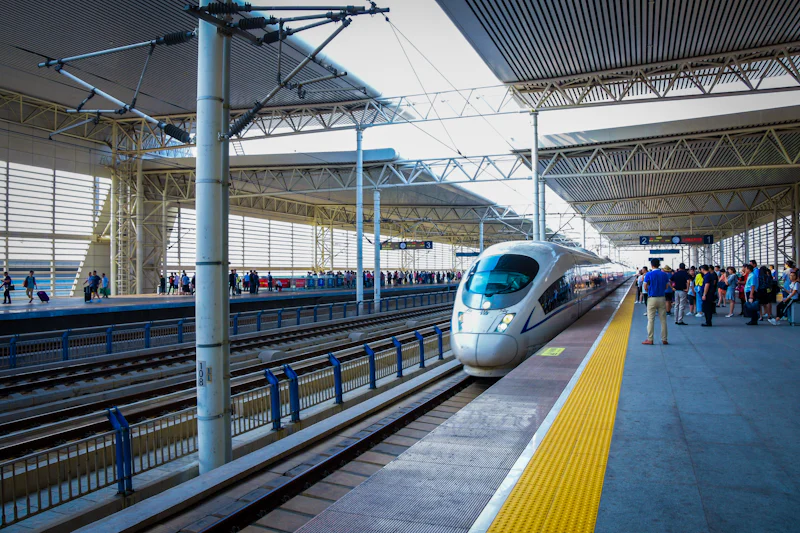
To qualify for the 144-hour visa-free transit, your journey must originate from Country A, transit through China, and terminate in Country B (where A and B are not China). This is known as the 'third-country' rule. For example, a flight from Tokyo to Shanghai and then to Seoul is a perfect candidate. However, a flight from Tokyo to Shanghai and then back to Tokyo is ineligible because your arrival and departure origins remain within the same jurisdiction. You must hold a confirmed onward ticket with a set date and seat to a third country or region, such as Hong Kong or Macau, which are legally recognized as separate borders for this policy.
Booking Compliant Transit Flights
When booking your tickets, ensure all segments are clearly visible on a single booking reference or print out separate confirmed tickets for the immigration officers. The officers check your 行程单 (Xíngchéngdān), or itinerary document, to verify your final destination. Avoid booking 'self-transfer' flights where you have to re-check luggage, as these can sometimes cause confusion during the initial check-in process at your departure airport. Airlines have the final say on boarding; if they are unfamiliar with the policy, show them the official 144小时过境免签 (144-hour visa-free transit) policy guidelines provided on the China National Immigration Administration website.
Managing Your Entry Ports
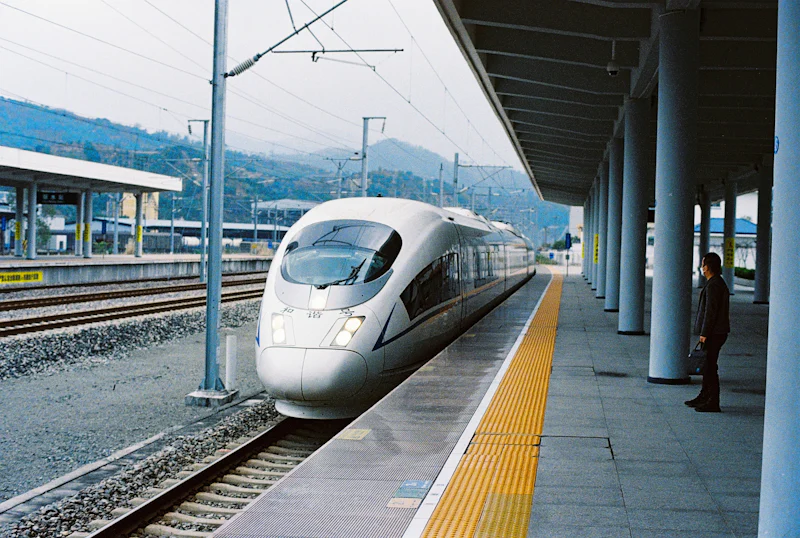
The policy is limited to specific ports of entry. You cannot enter via any city in China; you must arrive at one of the designated hubs, such as Shanghai, Beijing, or Guangzhou. Once you enter, you are restricted to a specific administrative region (e.g., the Shanghai-Jiangsu-Zhejiang cluster). You cannot fly from Shanghai to Beijing under the 144-hour policy because that constitutes domestic travel. Always check if your specific airport of arrival allows for multi-city travel within the permitted regional cluster. Using an app like 航旅纵横 (Umetrip) can help you track flight paths and verify terminal information to ensure you remain within the authorized zone.
Handling Common Border Delays
Upon arrival, head directly to the designated '144-hour visa-free' lane. Expect to fill out a temporary arrival card. It is mandatory to complete your 临时住宿登记 (Temporary Residence Registration) within 24 hours of arrival. If you are staying at a hotel, the front desk handles this automatically. If staying in a private apartment or with friends, you must visit the local police station to register manually. Failure to do so can result in fines or issues when you eventually attempt to exit the country.
Your flight itinerary must clearly show a transit from one country to a different one to satisfy the border entry requirements. Have you ever encountered an airline agent who was unsure about these transit rules during your check-in process?
Quick Takeaways:
- Ensure your itinerary consists of three distinct countries or regions including China transit.
- Confirm you have a physical copy of your onward ticket to a third country.
- Register your stay with the local police within 24 hours of your arrival.
- Only enter through designated ports and remain within the permitted regional travel zones.
#travelchina #visatips #transitvisa
