Navigating cross-cultural communication in China is less about mastering the language perfectly and more about understanding the nuances of social and workplace etiquette. Misunderstandings often arise from differences in high-context versus low-context communication styles. By shifting your approach from direct confrontation to indirect, harmonious interaction, you can significantly bridge the gap between your intent and how it is received by your Chinese colleagues and friends.
The Role of Face and Indirect Communication
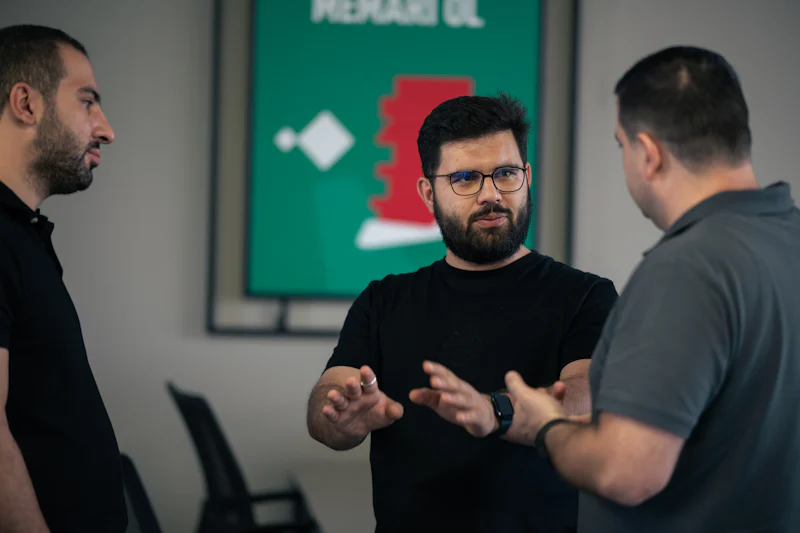
The concept of "mianzi" (face) is central to Chinese social interactions. In a professional setting, this means avoiding public criticism or direct disagreement. If you identify a flaw in a project or a mistake in a document, do not address it in front of a group. Instead, arrange a private meeting to discuss the issue. Framing your concern as a "suggestion for improvement" rather than a "correction of an error" allows the other party to save face and encourages a more receptive response. This indirect approach is not about being dishonest; it is about preserving the professional relationship, which is the foundation of long-term collaboration.
Navigating Professional Hierarchy
Chinese workplace culture is hierarchical. Respecting titles and age is not merely a formality; it is a vital part of building trust. When addressing colleagues, use titles or formal names unless specifically invited to do otherwise. In meetings, pay attention to who speaks first and who speaks the most. Usually, the most senior person sets the agenda and the tone. Wait for the senior leader to finish their points before interjecting. If you need to raise a concern, approach your immediate supervisor privately rather than going over their head or challenging them in a group setting. This demonstrates respect for organizational structure and avoids causing professional embarrassment.

Managing Expectations and Clarity
While indirect communication is preferred, it can sometimes lead to ambiguity. To avoid this, use a "confirm-and-clarify" technique. Instead of asking, "Do you understand?" which can be seen as patronizing, ask, "What are your thoughts on these next steps?" or "Could we confirm the timeline?" If you are working on a collaborative task, summarize the key points in a message on WeChat or via email immediately after the conversation. This provides a written record that everyone can refer back to, reducing the risk of misinterpreted instructions. Setting clear deadlines—such as requesting a response within 48 hours—is acceptable, provided you frame it within the context of project requirements rather than personal pressure.
Adapting to the "We" Mindset
Chinese culture tends to be collectivist, meaning group harmony is prioritized over individual expression. When communicating, focus on how your actions benefit the team or the company. Use phrases that emphasize collective success, such as "we can improve this process" or "our team's goal is to reach this milestone." Avoiding hyper-individualistic language, like constant "I did this" or "I solved that," helps you integrate better into the group dynamic. When you position yourself as a team player, your colleagues are far more likely to provide the support and local knowledge necessary to resolve misunderstandings quickly.
By observing the rhythm of your workplace and adjusting your delivery to favor harmony over blunt efficiency, you turn potential communication hurdles into opportunities for stronger professional bonds. How do you manage the balance between staying true to your own communication style and adapting to the cultural expectations of your workplace?
