Understanding the immense cultural landscape of China requires moving beyond surface-level observations. With fifty-six officially recognized ethnic groups, the cultural identity of the nation is far more nuanced than what is often presented in mainstream media. For expatriates living in China, engaging with this diversity provides a deeper appreciation of the regional history, architectural evolution, and social customs that define different provinces. Rather than relying on sweeping generalizations, the most effective way to appreciate this diversity is through curated documentaries, academic literature, and first-hand exploration of regional hubs.
Curated Media and Literature
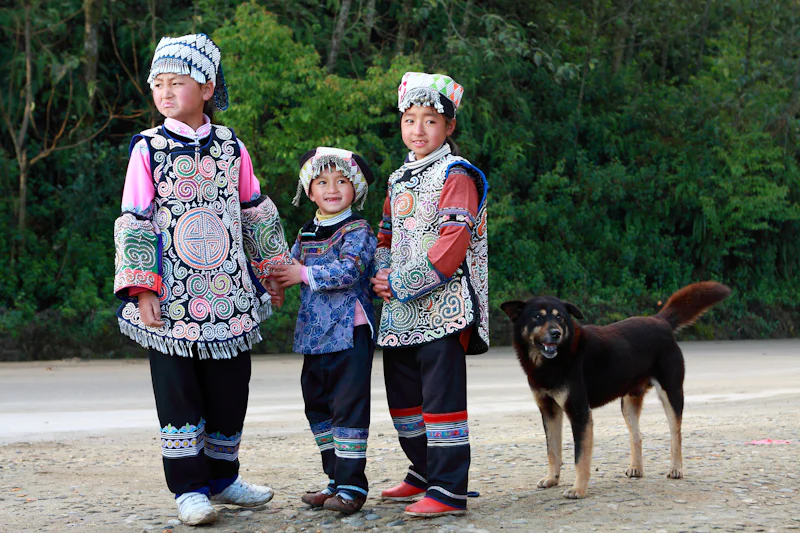
To build a foundational understanding, start with high-quality documentaries that focus on the daily lives of ethnic minorities. The documentary series 'Third Pole' is an excellent starting point, offering a visually stunning and intimate look at the lives of those living on the Qinghai-Tibetan Plateau. Unlike sensationalized travel logs, this series highlights the environmental challenges and traditional survival methods of the Tibetan people. For those interested in the intricacies of the Xinjiang Uyghur Autonomous Region, search for academic documentaries on the Silk Road history, which provide a broader historical context for the cultural confluence found in that region.
When it comes to literature, prioritize accounts that focus on cultural anthropology. 'The Ethnic Groups of China' by Zhao Baoyun serves as a comprehensive reference manual. It breaks down the demographic distribution and distinct traditions of various groups. If you prefer long-form reading, consider 'Wild Swans' by Jung Chang; while it is primarily a family memoir, it offers vital context on how diverse regional identities survived and adapted through the seismic shifts of the 20th century. For deeper immersion, look for translations of folklore or poetry specific to the Zhuang, Miao, or Yi populations, as these reflect the values and cosmological beliefs held by these communities.
Practical Exploration Strategies
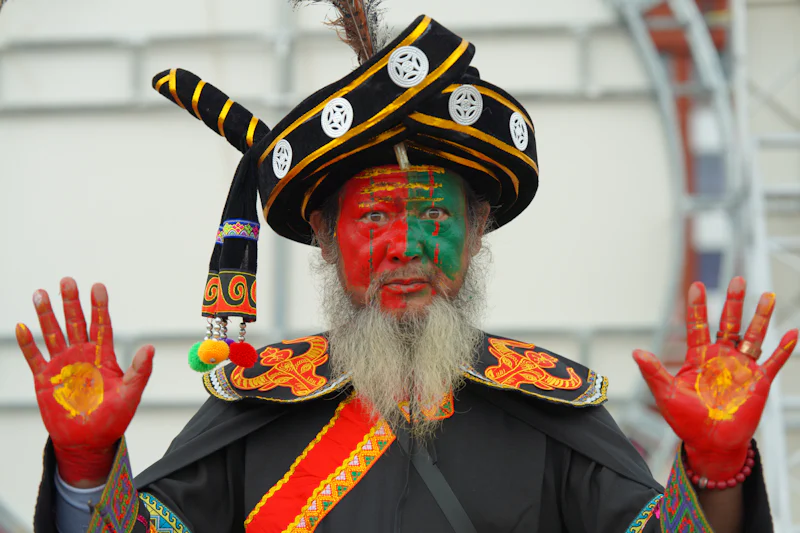
Reading is only the first step. To truly understand these cultures, you must engage with the physical spaces where they thrive. When planning travel to regions like Yunnan, Guizhou, or Inner Mongolia, avoid the overly commercialized 'ethnic theme parks' found near major tourist hubs. Instead, focus on visiting designated autonomous prefectures during local festival periods. For instance, the Torch Festival of the Yi and Bai peoples, typically held in the summer, offers an authentic look at communal celebrations that are integral to their social fabric.
Another practical approach is to explore regional museums. Major cities like Beijing and Shanghai have national-level museums dedicated to ethnic cultures, but the most profound insights are often found in provincial museums. For example, the Yunnan Provincial Museum in Kunming provides an exhaustive look at the biodiversity and cultural multiplicity of the region. When visiting, allocate at least three to four hours to properly digest the exhibits, as they often include historical artifacts and reconstructed dwellings that clarify how geography shapes cultural practices.
Avoiding Common Pitfalls
One common error foreigners make is treating ethnic diversity as a static artifact. Cultures in China are evolving, deeply influenced by urbanization, digital connectivity, and internal migration. When engaging with locals, remain aware that many ethnic groups are modern citizens who balance traditional practices with the demands of 21st-century life. Avoid asking questions that frame people as living 'exhibits.' Instead, focus on asking about local cuisine, traditional craft preservation, or regional dialect nuances. Using simple phrases in the local dialect—if available—is often the fastest way to bridge the social distance and demonstrate genuine respect for their cultural heritage.
Finally, utilize digital resources like WeChat or Douyin to follow creators who document their own heritage. Many young people from ethnic minority backgrounds are now using these platforms to share traditional cooking, music, and embroidery techniques. This provides a dynamic, contemporary view that is far more accurate than decades-old textbooks. By combining scholarly research with modern digital perspectives, you can develop a more balanced and respectful understanding of China's unique ethnic landscape.
Developing a genuine appreciation for this diversity is a lifelong process of observation and respectful inquiry. It requires patience to look beyond the tourist-facing facades and find the authentic stories embedded in everyday life. As you integrate these resources and experiences, how has your own exploration of China’s regions changed your perspective on the country's cultural identity?
Quick Takeaways:
- Study geographic distribution using professional academic reference guides
- Prioritize provincial museums over commercialized cultural tourist sites
- Follow authentic local content creators on digital platforms for modern context
- Engage with local communities during traditional festivals for deeper insights
#cultureandlang #expatchina #chineseculture
