Building a reliable household medicine kit in China is an essential step for every expatriate, especially when navigating the occasional bout of minor illness or a kitchen mishap. While pharmacies in China are ubiquitous—often found on nearly every city block—relying on a pre-stocked kit prevents late-night trips and removes the stress of trying to translate symptoms under the weather. Most pharmacists are helpful, but having your own inventory ensures you have brands you recognize and medications tailored to your specific needs.
Essential Over-the-Counter Medications
For common ailments like colds, flu, and digestive issues, you should prioritize standard active ingredients. Look for products containing acetaminophen (often labeled as "对乙酰氨基酚") for fever and pain, or ibuprofen (布洛芬). If you prefer familiar international brands, check platforms like Meituan or Ele.me; they often stock imported versions, though local brands like Tylenol (泰诺) are widely available and effective.
For digestive troubles, diarrhea, and indigestion are common adjustments for those new to regional food. Keep packets of "蒙脱石散" (Montmorillonite powder) on hand for diarrhea, as it is a standard and highly effective local recommendation. For general stomach discomfort, "健胃消食片" (Jianwei Xiaoshi Pian) is a popular, mild herbal-based option that helps with digestion after heavy meals. For allergies, second-generation antihistamines like Cetirizine (西替利嗪) are standard and readily available at any local pharmacy.
Wound Care and First Aid
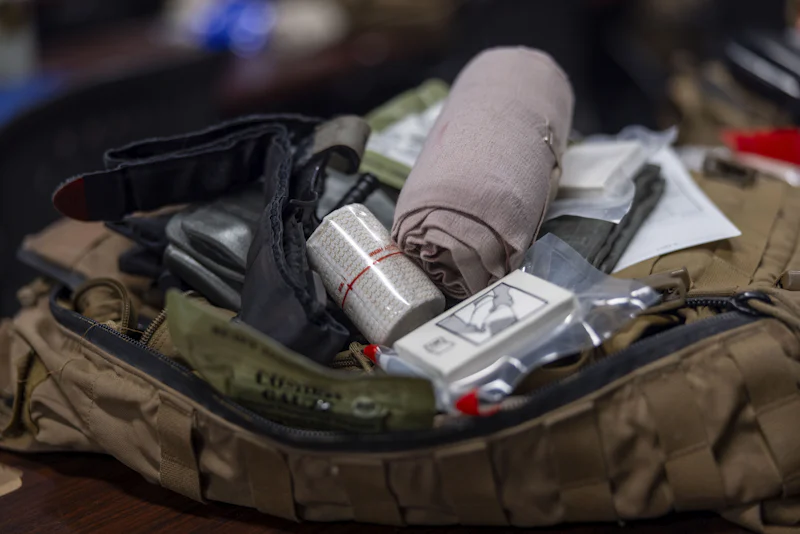
Minor injuries require immediate attention to prevent infection. Your kit should include a selection of adhesive bandages of varying sizes, sterile gauze, and medical tape. Instead of traditional hydrogen peroxide, Chinese pharmacies commonly sell Povidone-iodine (碘伏, "dianfu"), which is much less painful on wounds and less damaging to skin tissue. Keep a small bottle of this in your cabinet at all times. You should also include a digital thermometer—modern electronic versions are standard—and a pair of precision tweezers for splinters.

Navigating Local Pharmacies
When buying supplies, utilize your smartphone. Most pharmacies are integrated into apps like Meituan or Alipay. You can search for "药店" (pharmacy) to see what is open in your immediate vicinity. If you are uncertain about a medication, use the translation feature in your camera app to photograph the ingredient list. Pay close attention to the "Active Ingredients" (主要成分) section to ensure you are not duplicating medications or taking something that conflicts with existing health conditions.
Common Pitfalls and Best Practices
One common mistake is failing to check expiration dates annually. Make it a habit to rotate your supplies every six to twelve months. Additionally, be aware that certain powerful painkillers or antibiotics are strictly controlled in China and require a valid prescription from a doctor at a public hospital. Do not attempt to source these through informal channels; always visit a professional facility if your condition requires prescription-strength intervention. Remember to store all medications in a cool, dry, and dark place, away from the humidity of the bathroom.
Building this kit does not mean you should attempt to self-diagnose serious conditions. If your symptoms persist for more than 48 hours or if you experience high fever and respiratory difficulty, you must head to the nearest hospital. Most major cities have international wards that offer services in English, providing a safety net for when your home kit is not enough.
Which essential item do you always make sure to keep stocked in your medicine cabinet that others might overlook?
Quick Takeaways:
- Keep Povidone-iodine (dianfu) instead of hydrogen peroxide for wound care.
- Use food delivery apps to find pharmacies and check inventory locally.
- Verify active ingredients via translation apps to avoid duplication or conflicts.
- Review and rotate your medicine stock every six months for expiration.
#livingingchina #healthtips #expatlife
