Navigating a Chinese hospital when you do not speak fluent Mandarin can feel like an overwhelming task, but with the right preparation, the process becomes manageable. The key is to shift your mindset from expecting a Western-style primary care experience to understanding the high-efficiency, specialized nature of the Chinese public health system. By leveraging digital tools and knowing which departments to visit, you can navigate these facilities with confidence and ensure you receive the appropriate care for your medical needs.
Choosing the Right Facility
Not all hospitals are created equal for foreigners. You generally have three main options: International Hospitals, VIP wards in public hospitals, and standard public hospital clinics. International hospitals are staffed by English-speaking doctors and utilize Western insurance billing directly. These are the simplest to navigate but come at a higher cost. If you opt for a standard public hospital, prioritize those marked as 'Grade A' (San-jia) as they have the best technology and the highest probability of finding staff with functional English skills.
The Digital Toolkit for Communication
Language barriers are best bridged using a combination of technology and visual aids. Before arriving, download the 'Google Translate' or 'DeepL' apps and ensure the Chinese language pack is downloaded for offline use. Specifically, utilize the camera function to translate patient forms or symptom descriptions. Prepare a 'symptom card'—a small note in Chinese that clearly states your primary complaint, your history of allergies, and current medications. Presenting this to the nurse at the triage desk saves significant time and reduces the risk of misdiagnosis.
Step-by-Step Navigation
Once you arrive, follow this structured approach to streamline your visit:
Registration (Gua-hao): Upon entry, proceed to the registration desk. If you do not have a pre-existing medical record card (Jian-kang-ka), bring your original passport. Many hospitals now use Alipay or WeChat Pay kiosks for this, so ensure your accounts are verified with your passport details.
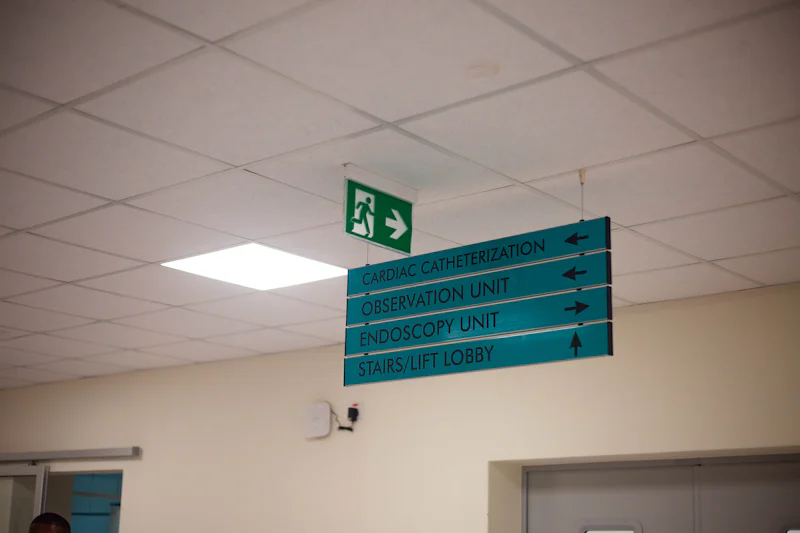
Triage and Waiting: After registration, proceed to the department indicated on your receipt. Use the digital displays outside the consultation rooms to track your queue number. If the waiting area is chaotic, do not hesitate to show your registration slip to the nurse at the station to confirm you are in the correct place.
Consultation: When called, keep your explanations concise. Use your prepared notes if necessary. If the doctor speaks limited English, write down the medication name and the dosage frequency on paper to ensure you have a clear record.
Payment and Collection: Public hospitals require payment between each stage. You will pay for the consultation first, then pay for tests, then finally pay for your pharmacy items. Use the automated kiosks located throughout the halls to avoid the long lines at the main pharmacy counter.
Common Pitfalls to Avoid
Many foreigners make the mistake of going to the wrong department initially. In China, you must self-select the department based on your symptoms—for instance, choosing 'Internal Medicine' (Nei-ke) for general illnesses or 'Dermatology' (Pi-fu-ke) for skin issues. Furthermore, always bring cash as a backup, even though digital payments are ubiquitous. Finally, verify the pharmacy's working hours, as some hospital pharmacies close for lunch or earlier in the evening than the consultation offices.
Preparing for Success
Consistency is the hallmark of a successful hospital visit in China. Always maintain a physical folder containing your passport, your residency permit, and any previous diagnostic reports from China. Keeping these organized makes subsequent visits much smoother. If you have chronic conditions, consider bringing a translated medical summary from your home country, as this provides crucial context for local doctors. The system is designed for speed and volume, so being prepared allows you to fit into that rhythm rather than fighting against it.
What has been the most effective method you have used to explain your medical symptoms to non-English speaking staff?
Quick Takeaways:
- Always bring your original passport to verify your medical ID card.
- Use a pre-written 'symptom card' in Chinese to bridge communication gaps.
- Download offline language packs for instant translation via camera features.
- Use hospital kiosks for payment to avoid long pharmacy lines.
- Pre-select your target department to save time during registration.
#livingguide #expatchina #healthtips
