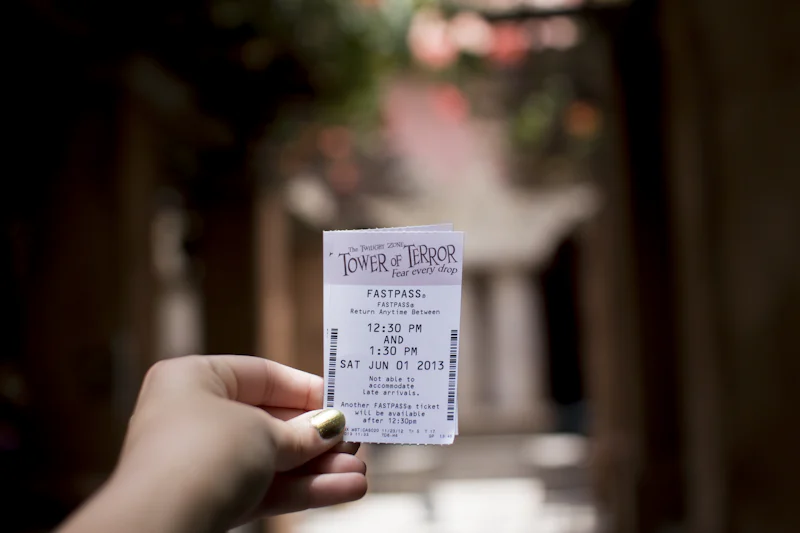
In China’s bustling commercial districts, a small slip of thermal paper is undergoing a significant transformation. What was once merely a proof of purchase for a two-hour cinematic escape has evolved into a “golden key” that unlocks discounts at hotpot restaurants, priority access to trendy toy collectibles, and even free entry to major tourist attractions.
According to data from the China Film Administration, the national box office for 2026 has already surpassed 9 billion RMB as of late February. During the recent Spring Festival period alone, over 120 million people flocked to theaters. However, the real story lies in what happens after the credits roll.
The Rise of the Ticket Stub Economy
The concept of the “ticket stub economy” is bridging the gap between the silver screen and the daily hustle of urban life. In cities like Changsha, moviegoers are finding that their当日 (same-day) tickets can be exchanged for local snacks or craft discounts at nearby markets. Conversely, spending at these markets can earn consumers subsidized movie vouchers.
This synergy is not accidental. A joint initiative by the China Film Administration and the Ministry of Commerce, titled “Following Movies to the Market,” has been instrumental in linking cinema consumption with local trade. For residents, this means a movie night often turns into a full evening of dining and shopping, supported by cross-industry promotions.
From the Big Screen to the Great Outdoors
The impact of cinema is also reshaping China’s travel landscape. This year has seen a surge in “film-induced tourism,” where viewers travel to the real-life locations featured in their favorite blockbusters.
- Sichuan and Qinghai: Following the release of Pegasus 3, hotel bookings in filming locations such as Garzê and Delingha saw a year-on-year increase of over 100%.
- Shenzhen: The film Surprise at Dawn, shot almost entirely in Shenzhen, sparked a wave of “Citywalk” guides on social media, contributing to a 77% rise in local tourism bookings during the holidays.
- Xinjiang: In Karamay, fans of the film Blades of the Guardians could enter the famous “World Ghost City” scenic area for free simply by presenting their movie ticket stubs.
A Catalyst for Consumption
The economic ripple effect is substantial. Research indicates a “box office multiplier” of approximately 1:15.77—meaning every 1 RMB spent on a movie ticket generates nearly 16 RMB in related industry value, including catering, lodging, and retail.
To maintain this momentum, authorities have designated 2026 as the “Film Economy Promotion Year.” This includes the selection of 16 pilot cities for “Cinema+” consumption integration and a commitment of 1.2 billion RMB in subsidies to make movie-going more affordable for the public.
Ultimately, the humble movie ticket has become a microcosm of China’s internal economic vitality. It no longer represents just a seat in a dark room, but a vital link in a chain that connects culture, tourism, and thousands of local businesses.
#ChinaEconomy #MovieCulture #TravelChina #Lifestyle #SpringFestival2026
