Volunteering as a docent in a Chinese museum is one of the most rewarding ways to bridge the gap between being an expatriate observer and an active participant in local culture. While it requires a significant time commitment and a commitment to rigorous study, it provides an unparalleled lens through which to understand Chinese history. Beyond just explaining artifacts, you will be acting as a cultural intermediary. The role demands patience, a genuine curiosity for history, and a willingness to step outside your comfort zone to connect with diverse audiences, ranging from curious primary school students to local history enthusiasts.
The Preparation Phase
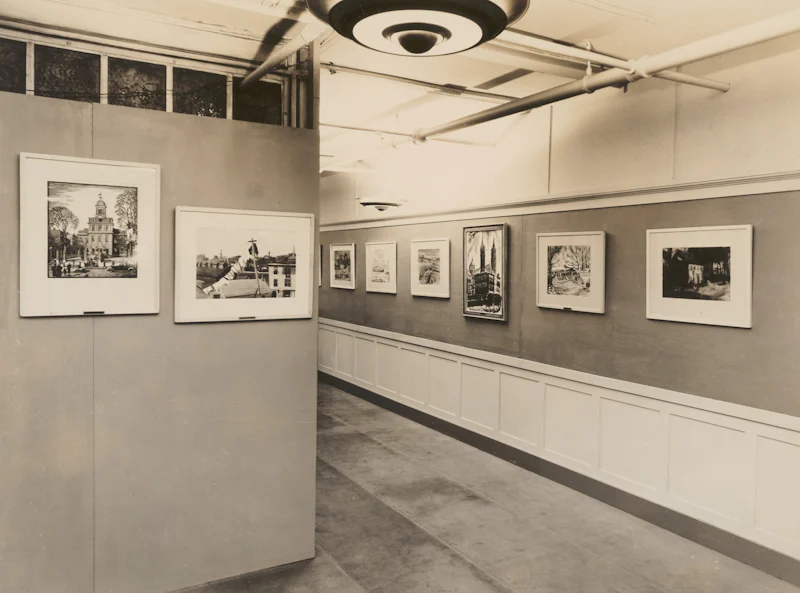
Before you even approach a museum’s volunteer coordinator, you must have a clear understanding of your language proficiency. If you are applying to give tours in a language other than Mandarin, ensure your command of technical historical terms is professional. Most museums in China will require a standard HSK 5 or 6 level of proficiency if you intend to communicate with staff regarding training schedules and internal materials. Start by visiting your target museum multiple times as a regular visitor. Take notes on the current docent tours; observe how they pace their speech, how they handle questions, and, most importantly, how they engage the audience. You are not there to lecture; you are there to tell a story.
Navigating the Application Process
Most municipal museums manage volunteer recruitment through their official WeChat mini-programs or specific tabs on their websites. Look for the '志愿者' (Volunteer) section. Expect a recruitment cycle that typically happens twice a year, often in the spring or autumn. Once you submit your application, you will likely undergo a formal interview. Prepare to demonstrate your commitment by showing a portfolio of your own study or previous volunteer experience. If accepted, you will undergo a rigorous training program. This usually lasts 4-8 weeks, involving mandatory weekend lectures, background historical reading, and a final written or oral assessment on the specific collection you are assigned to present.

Mastering the Narrative
When presenting to an audience, avoid the common pitfall of memorizing a script. Chinese museums value authenticity. If you are explaining a bronze vessel from the Shang Dynasty, focus on the 'why' rather than just the 'what.' Connect the artifact to the lives of the people who used it. Use descriptive, engaging language. If you find yourself in a situation where a visitor asks a question you cannot answer, never guess or invent facts. Acknowledge that you are unsure, and offer to find the answer for them during the next session. This builds trust with both the museum staff and your guests. Using tools like the Baidu Baike or official museum digital archives can help you cross-reference details on the go.
Managing Logistics
Be prepared for the physical demands of the role. You will be on your feet for extended periods. Most museums will provide you with a uniform or a specific badge; ensure you wear it correctly as per the museum guidelines. Always arrive 20 minutes before your scheduled shift to check for any updates or temporary exhibit changes. If you need to cancel a session, ensure you give at least 48 hours' notice to the department coordinator, as they often rely heavily on volunteer staffing to maintain the flow of visitors through the galleries.
Volunteering allows you to move past the superficial tourist experience and gain a deep, nuanced understanding of China’s heritage. It is a long-term investment in your life here that rewards you with community and intellectual growth. The key is to remain humble, consistent in your study, and open to feedback from both staff and visitors alike. As you gain more experience, you will find that you are not just teaching history, but also participating in the ongoing conversation of how Chinese culture is presented to the international community. How has your experience been with engaging in local volunteer opportunities in your current city?
Quick Takeaways:
- Aim for HSK 5-6 proficiency for the smoothest recruitment process
- Research your target museum's specific recruitment cycle on their official WeChat channel
- Focus on storytelling rather than rote memorization for better audience engagement
- Always provide at least 48 hours' notice for shift cancellations
#museumvolunteering #chinaculture #expatchina
