Dining in China is more than just a culinary experience; it is a social ritual that functions as the backbone of business, friendship, and family life. If you are new to the country, the sheer variety of regional cuisines and the seemingly complex etiquette can feel intimidating. However, understanding the fundamental mechanics of a Chinese meal will help you navigate restaurants with confidence and deepen your local connections. By focusing on the flow of the meal and respecting the underlying social hierarchy, you can transform from an awkward outsider into a welcome guest at any table.
Mastering the Ordering Process
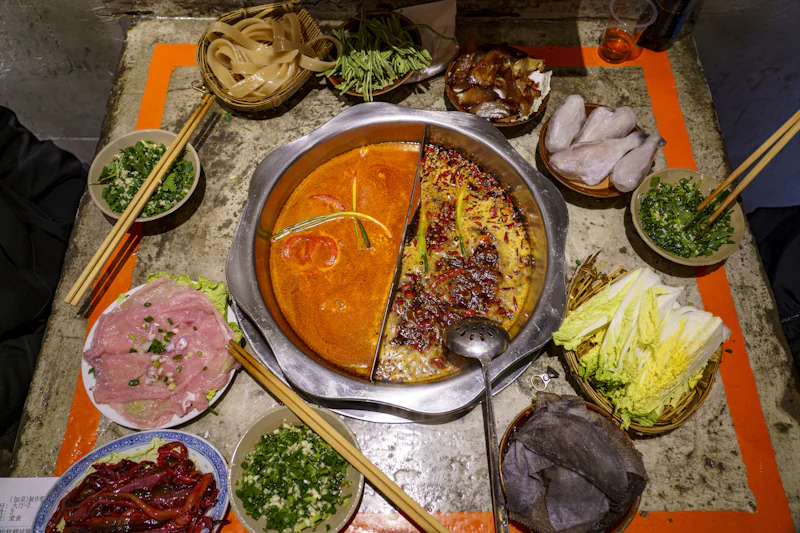
Unlike Western restaurants where individuals order their own main courses, Chinese dining is almost exclusively communal. The "lazy Susan" turntable is the centerpiece of most group meals. When you sit down, the host usually takes charge of the menu. If you are asked to order, a safe rule of thumb is to aim for one dish per person, plus one or two extra for the table. Aim for a balance of textures and flavors: a meat dish, a seafood or poultry dish, a vegetable dish, and a soup.
Avoid ordering exclusively spicy dishes unless you know your group’s preferences. If you are dining with local colleagues or friends, allow the host to handle the ordering. If you have dietary restrictions, state them clearly at the very beginning—before the dishes start arriving—as it is difficult to swap items once the kitchen has begun preparation. Keep in mind that "cold dishes" (凉菜) often arrive first as appetizers while hot dishes are staggered throughout the meal.
Chopstick Protocol and Table Manners
Chopsticks are the primary tool, but they come with specific etiquette. Most importantly, never stick your chopsticks vertically into a bowl of rice. This motion mimics incense sticks placed in sand at a funeral and is considered highly inauspicious. When not in use, place your chopsticks on the provided rest or across the top of your bowl. Avoid using your own chopsticks to pick food directly from a communal serving dish if a pair of serving chopsticks or a spoon is available; instead, use the communal utensil to transfer food to your personal bowl.
Drinking culture is another critical aspect. If you are toasting, it is customary to hold your glass lower than that of your elder or superior as a sign of respect. You do not need to finish your entire glass during every toast, but you should acknowledge the gesture by taking a sip. If you are offered a drink and do not wish to consume alcohol, a polite "I am unable to drink" (我不能喝酒) is generally accepted without offense.
Understanding the Hierarchy and Payments
The seating arrangement at a round table often reflects a subtle hierarchy. The seat facing the door is typically the place of honor reserved for the most senior person or the host. If you are unsure where to sit, wait for the host to guide you or take a seat further away from the door until you are settled.
When the meal concludes, be prepared for the "bill battle." In China, it is very common for hosts to fight over the privilege of paying the check. If you are the guest, you should offer to pay, but if your host insists, do not force the issue as it may cause them to lose face. Simply express sincere gratitude for the meal. If you are in a casual setting with peers, scanning the QR code on the table to pay via Alipay or WeChat Pay is the standard method for splitting the bill quickly and efficiently.
Finally, remember that dining out in China is often loud and energetic. A quiet restaurant is usually a sign of a lack of popularity. Embrace the noise, the shared dishes, and the communal atmosphere as part of the authentic experience. Which cultural dining "faux pas" have you accidentally committed or witnessed during your time in China?
