Navigating a Chinese office environment requires a shift in perspective regarding hierarchy, communication styles, and the concept of 'face'. While Western offices often emphasize directness and individual initiative, Chinese professional settings prioritize group harmony and implicit understanding. Mastering these nuances early in your tenure will significantly improve your integration and long-term success. Expect a learning curve as you transition from the explicit rules of your home country to the contextual, relationship-based dynamics that drive operations in most Chinese companies. Understanding these unspoken codes is as important as your technical job description.
The Dynamics of Hierarchy
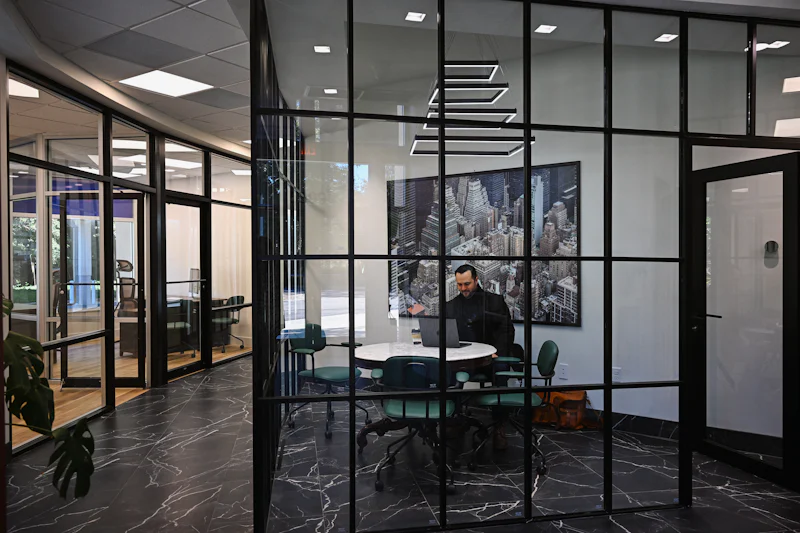
Chinese corporate culture is deeply rooted in hierarchical respect. Your supervisor is viewed as a mentor or a leader whose authority should be acknowledged clearly. When entering a meeting room, observe the seating arrangement—often, the most senior person sits furthest from the door or in a seat of prominence. Do not feel compelled to dominate discussions; instead, defer to senior leadership when presenting new ideas. If you have a critique or a disagreement, never voice it in a public meeting. Instead, request a private, one-on-one session with your manager. This preserves 'face' for both parties and allows for constructive dialogue without the pressure of an audience.
Communication Styles and 'Face'
Communication in China is frequently high-context, meaning the message is often found between the lines. If a colleague says 'I will think about it' or 'That might be difficult,' it is often a polite way of saying 'no' or 'not possible.' Pushing for a definitive 'yes' or 'no' in these moments can cause discomfort. Instead, offer alternative solutions or ask for feedback on specific constraints. Additionally, ensure you are utilizing proper channels for communication. While platforms like WeChat are standard for day-to-day coordination, formal requests, leave applications, or critical project documentation should be handled through company email or official internal systems to ensure there is a clear, written record.
Relationship Building and Guanxi
While the term 'Guanxi' is often overused, the practical reality is that work gets done through people you know and trust. Investing time in your colleagues is not just 'socializing'; it is professional maintenance. Participating in team lunches, company outings, or even casual afternoon tea breaks provides the social capital needed to navigate roadblocks later. If you encounter a delay with another department, having a positive, pre-established relationship with your point of contact will result in a much faster resolution than relying solely on official processes. Aim to build these bridges during the first 30 days of your employment.
Professional Etiquette Essentials
Punctuality remains a sign of respect. Arrive for meetings 5 minutes early, and always bring a physical notebook or digital tablet to record details. Taking notes is viewed as a sign of attentiveness and engagement. When receiving or handing over a business card, use both hands and take a moment to read the details before tucking it away. Avoid writing on someone's business card in their presence. If your office utilizes a shared kitchen or break area, be proactive in cleaning up after yourself; small displays of consideration for shared spaces are highly valued by local colleagues and demonstrate your commitment to the team's shared environment.
Adapting to a Chinese office environment is less about abandoning your own professional identity and more about adjusting your delivery. By shifting toward a more collaborative and respectful posture, you can turn potential misunderstandings into opportunities for growth. The most successful expats in China are those who observe the cultural rhythm of their office for the first few months before attempting to implement major procedural changes. How have you navigated the balance between maintaining your own work style and adapting to local cultural expectations in your workplace?
