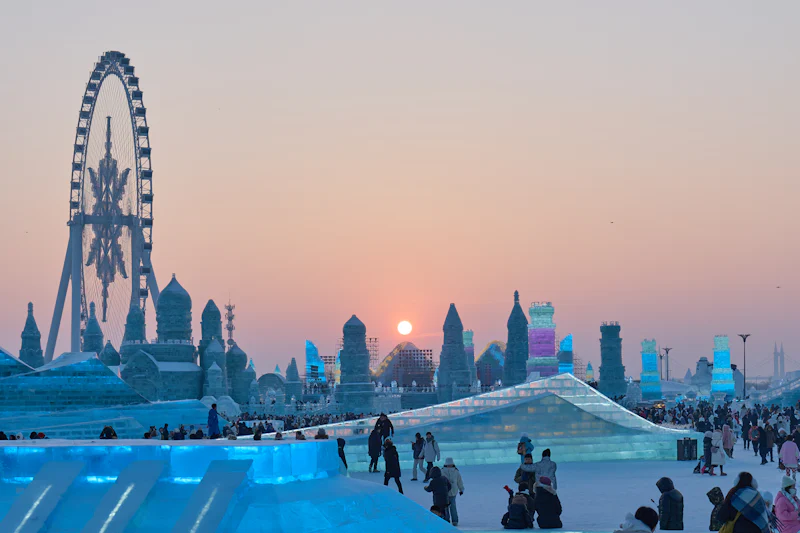
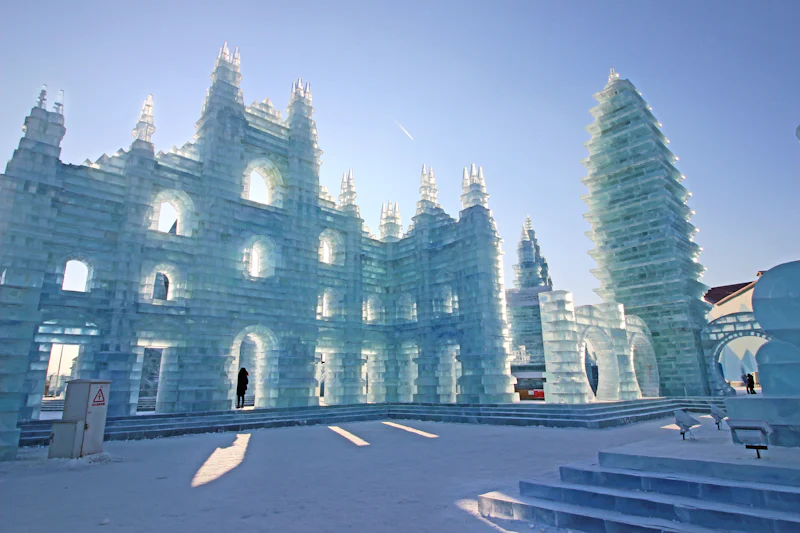
Visiting the Harbin Ice and Snow Festival is a bucket-list experience, but the extreme sub-zero temperatures—often dropping below -30°C—require more than just a heavy coat. Preparation is the difference between a magical night and a medical emergency. Whether you are walking through the Ice World or visiting the Sun Island Snow Sculpture Expo, your ability to endure the elements depends entirely on your gear strategy and how you manage your body heat. This guide provides the practical foundation needed to navigate Harbin safely during the peak of winter.
The Layering System
The most common mistake travelers make is relying on a single, thick jacket. In Harbin, the "three-layer system" is your best defense against frostbite. First, your base layer must be moisture-wicking; avoid cotton at all costs, as it traps sweat against your skin, which quickly turns to ice. Use merino wool or synthetic thermal gear. Second, the insulating layer should be a thick fleece or a high-quality down vest. Finally, your outer shell must be windproof and water-resistant. If the wind cuts through your layers, your body temperature will plummet in minutes.
Protecting Extremities
Your fingers, toes, and ears are the first to succumb to the cold. For gloves, choose mittens over finger-gloves; keeping your fingers together allows them to share body heat. Many experienced travelers wear a thin silk or synthetic liner glove inside a heavy-duty, windproof mitten. For your feet, ensure your boots are at least one size larger than your usual fit. If your boots are too tight, they restrict circulation, leading to cold feet regardless of the insulation. Wear one pair of moisture-wicking wool socks—not two pairs, as double-layering can actually constrict blood flow.
Managing Electronics and Batteries
Extreme cold is the primary cause of sudden battery failure. Your smartphone will likely shut down or drain its battery in minutes when exposed to the ambient air. Always keep your phone and power bank in an internal pocket, close to your body heat. If you need to take photos, take them quickly and return the device to your inner layer immediately. Consider bringing a mechanical watch and a physical map, as relying entirely on GPS-based apps like Gaode Maps can leave you stranded if your device dies in the middle of an icy plaza.
Staying Energized and Hydrated
Cold weather increases your caloric needs significantly. Eat high-calorie, warm meals before heading into the Ice World. Avoid drinking large amounts of cold water; instead, carry a vacuum-insulated thermos filled with hot water or herbal tea. Dehydration is often overlooked in winter because you do not feel thirsty, but it makes you more susceptible to frostbite. If you begin to lose feeling in your toes or fingertips, or if your skin turns a pale, waxy color, leave the venue immediately and seek a heated indoor area to recover.
Practical Venue Tips
When you arrive at the Ice and Snow World, locate the heated warming stations immediately. These are designated indoor areas where you can thaw out for 15 to 20 minutes before returning to the ice. Do not try to "tough it out" for four hours straight. Plan your visit in 45-minute intervals of viewing, followed by a 15-minute warming break. If you are taking a taxi back to your hotel, use Alipay or WeChat Pay to book a car in advance, as trying to hail a cab in the freezing night air while your phone battery is dying is a common and stressful pitfall.
Ultimately, safety at the festival comes down to knowing your limits and respecting the environment. The beauty of the ice sculptures is unparalleled, but the cold is unforgiving to those who are unprepared. By prioritizing gear that retains heat and managing your internal warmth, you can focus on the spectacle rather than the discomfort. How do you prepare your specific camera equipment or electronics for sub-zero weather conditions when traveling in northern China?
