Should I use a family member or visa agency for a China L visa?
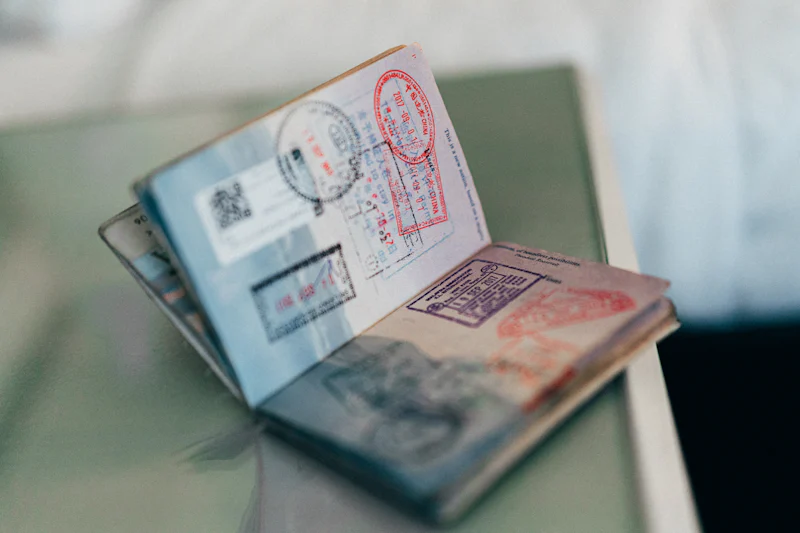
If you’re applying for a China L tourist visa and you live far from the nearest Chinese embassy or visa center, the decision usually comes down to cost versus risk. Using a trusted family member to hand-carry your documents is free (aside from shipping), but mailing your passport always carries some risk. A professional visa agency charges a fee but handles the entire process and can often spot problems before they cause a rejection. This guide is for foreigners who are far from a visa center and trying to decide which route to take.
The Core Difference: Hand-Carry vs. Mail
Most Chinese visa application centers (e.g., in the US, UK, Australia) accept applications submitted by a third party — including a family member — if you provide a signed authorization letter. That means your relative can physically walk in, hand over your passport, pay the fee, and pick it up when ready. The alternative is to use a visa agency, which will do the same but also prepares the forms, checks documents, and often has a pre-arranged drop-off relationship with the center.
The key practical point: if you mail your passport to a family member, you still face the same lost-package risk as mailing it to an agency. The difference is the handling expertise and accountability. A family member who has never seen a China visa form might miss a required photocopy or fill out the invitation letter incorrectly.
Cost Comparison: Free Help vs. Agency Fees
Using a family member costs only the shipping — expect $30–60 round-trip via insured courier like FedEx or DHL. A visa agency, on the other hand, charges a service fee of $50 to $150 depending on the visa type and urgency. For example, a standard single-entry L visa through an agency might be $120 total (including the consular fee), while doing it yourself through a family member costs about $80 in consular fees plus shipping.
However, the hidden cost is time and stress. If your relative makes a mistake and the application is rejected, you lose the consular fee and have to reapply. Agencies often offer a review guarantee or will resubmit at a reduced rate. For a simple single-entry visa with a clear itinerary, the family route can save $50–70. For a multiple-entry visa or one with a complicated travel history, the agency’s fee is usually worth the peace of mind.
Reliability and Error Checking
Agencies process dozens of China L visas every week. They know that the itinerary must show confirmed flights and hotel bookings, that the hotel confirmation must include your full name and the hotel address in Chinese, and that a previous visa copy is required if you’ve visited China before. A family member might overlook these details.
Concrete example: If you’re applying from the US, the China Visa Application Service Center (CVASC) in San Francisco requires that the hotel booking be printed on hotel letterhead or include a booking confirmation number. An agency will catch that the Airbnb confirmation you uploaded doesn’t meet the standard and ask for a proper hotel booking. A relative won’t know that unless you tell them.
What People Usually Miss
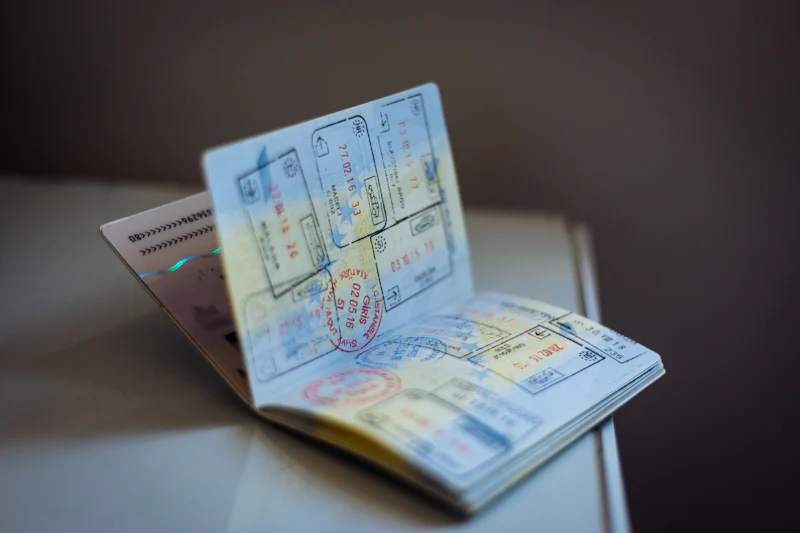
Many foreigners think that as long as they have a valid passport and a hotel booking, the visa is guaranteed. What they miss is that Chinese consulates now require a full travel itinerary submitted with the application, not just a hotel reservation. If you use a family member or an agency, that itinerary must list every date, city, and hotel — and the hotels must match the dates. Agencies often provide a template itinerary that satisfies this requirement, while a family member may not know to prepare one.
Another overlooked detail: first-time applicants for an L visa from certain countries must provide biometrics (fingerprints) in person. In that case, neither a family member nor an agency can submit on your behalf — you have to appear yourself. This rule varies by country and sometimes by consulate. Always check the specific center’s website before deciding.
City-Specific Differences to Watch For
The rules differ depending on where you apply. At the London Chinese Visa Application Service Centre, third-party submissions are accepted with a notarized authorization letter. In Sydney, the center requires the original authorization letter signed in blue ink. Some centers in smaller US cities (e.g., Houston) may be stricter about who can submit.
If your relative lives in a city with a particularly busy visa center — like New York or Los Angeles — they might face long wait times. Agencies often have a dedicated fast-track lane or can schedule appointments more quickly. For example, during peak travel seasons (Chinese New Year, summer), walk-in slots can fill up days in advance. Agencies usually pre-book block appointments.
How to Decide: A Simple Checklist
Here’s a practical way to choose:
- Use a family member if: you have a very simple single-entry application, you trust the relative completely, the visa center accepts third-party submissions without a notary, and you can afford to lose the consular fee in case of a mistake.
- Use an agency if: you need a multiple-entry visa, you have a complicated travel history (e.g., previous overstay), you are under time pressure, or you simply don’t want to risk your passport being mishandled.
Closing
The choice between a family member and a visa agency for a China L visa comes down to how much you value convenience and error-proofing over saving $50–100. For most people planning a straightforward trip, a reliable family member works fine. But if your plans are tight or your documents are unusual, pay the agency fee.
If you’ve recently used a family member to submit your China L visa application, did the visa center give you any trouble with the authorization letter? Has that policy changed in your city?
Quick Takeaways:
- Family member submission saves agency fees but requires shipping your passport insured via FedEx or DHL.
- Agencies catch form errors and have pre-arranged drop-off relationships at busy visa centers.
- First-time applicants may need in-person biometrics, making either option impossible.
- Always check if the visa center accepts third-party submissions and requires a notarized letter.
- For urgent or complex visas, paying a professional agency is worth the reduced rejection risk.
#chinavisaguide #lvisa #expatlife
