Can I visit multiple cities on China's 144/240-hour transit visa?
Yes, you can visit multiple cities on China’s transit visa – but only inside a specific region. If you’re planning a multi-city itinerary under the 144-hour transit visa or the newer 240-hour transit policy, the single most important rule is that you must stay within the designated provincial cluster. Leave that cluster, even for a few hours, and you risk fines, detention, or a ban. This guide covers exactly which cities and provinces you can combine, which boundaries you cannot cross, and the practical details most online sources get wrong.
How the 144-Hour Transit Visa Works for Multiple Cities
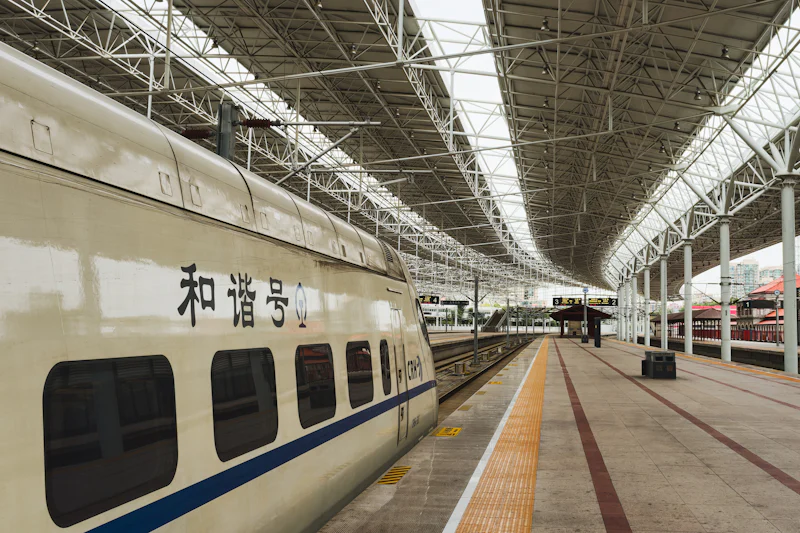
The 144-hour (6-day) visa-free transit policy is available at over 20 ports. It divides China into several regional clusters, and you are permitted to move freely within the cluster you enter. You can enter at one port, travel to other cities in the same cluster, and exit from a different port in that same cluster.
Current main clusters:
- Beijing-Tianjin-Hebei – includes Beijing, Tianjin, and the entire Hebei province (e.g., Shijiazhuang, Qinhuangdao). You cannot leave this trio.
- Shanghai-Jiangsu-Zhejiang – covers Shanghai city, Jiangsu province (Nanjing, Suzhou, Wuxi), and Zhejiang province (Hangzhou, Ningbo). No Anhui, no Fujian.
- Guangdong – covers the whole province (Guangzhou, Shenzhen, Zhuhai, etc.) but not Hong Kong or Macau.
- Liaoning – limited to the province.
- Separate clusters exist for Shandong, Hubei (Wuhan), and others listed by the National Immigration Administration.
Practical example: You fly into Shanghai Pudong, spend two days in Shanghai, take the high-speed train to Hangzhou, then fly out of Nanjing Lukou. All allowed. But flying from Shanghai to Beijing on the same 144-hour permit is a violation – different cluster.
The New 240-Hour Transit Policy: What Changed?
In recent years some ports – especially inland hubs like Chengdu, Chongqing, Xi’an, and Kunming – have expanded the transit window to 240 hours (10 days). However, the regional restriction still applies. Typically, the 240-hour policy limits you to a single province (e.g., Sichuan for Chengdu, Shaanxi for Xi’an) or a smaller defined area.
Common confusion: many people think “240 hours” means you can travel anywhere in China for 10 days. That is false. For example, if you use the 240-hour transit at Chengdu Shuangliu Airport, you can only travel within Sichuan province. You cannot fly to Beijing or Shanghai. Some larger clusters like Guangdong also offer 144-hour, not 240-hour – always check the official port policy before booking.
Can You Leave the Designated Region? Common Exceptions and Strict Rules
The short answer is no – except for a very narrow exception: if you are transiting through a port that falls within a larger regional agreement (e.g., the Yangtze River Delta cluster includes three provinces), you can move across those provinces, but never outside them. There is no “ask for permission” loophole. You cannot buy a separate ticket to another region and claim ignorance.
Enforcement is real. Hotels are required to perform 临时住宿登记 (temporary residence registration) for every foreign guest, and the police system checks your visa type. If you register at a hotel outside your allowed region, the system flags it. Consequences range from a warning to a fine (500–2,000 RMB) or detention and deportation. I have seen two cases on this forum where travelers lost their transit privilege permanently.
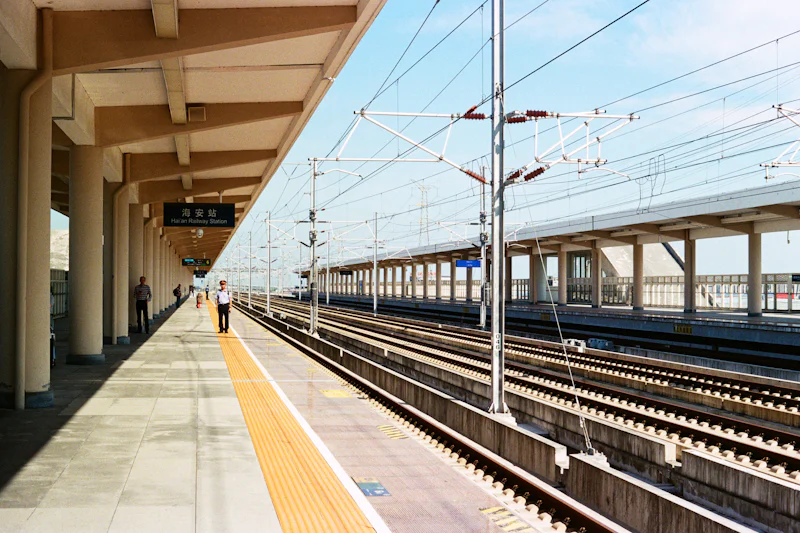
City-Specific Differences to Watch For
- Beijing vs. Shanghai clusters: Both are 144-hour but separate. Do not mix them.
- Guangdong’s 144-hour covers the whole province, but you cannot stay in Shenzhen and hop over to Macau for a day (Macau is a separate Special Administrative Region requiring its own visa or a separate transit policy).
- Shenzhen and Xiamen have separate 72-hour transit policies at their ports – not interchangeable with 144-hour.
- Chengdu’s 240-hour allows travel in Sichuan, but some travelers have reported that border police also permit travel to adjacent parts of Chongqing (a direct-controlled municipality) under the same transit – check the latest local rules at arrival.
- Hainan Island has a completely separate 30-day visa-free policy for certain nationalities – do not confuse with transit.
Always confirm the exact jurisdiction with the immigration officer when you land. The official poster at the port lists the allowed cities/provinces in Chinese. Take a photo.
What People Usually Miss
Two practical details slip through most guides:
The 144-hour clock starts at 00:00 the day after arrival. If you land at 10 PM on Monday, your 144 hours count from midnight Tuesday morning. That gives you until the end of Sunday (i.e., 6 full days). Many travelers count from landing time and mistakenly overstay. Always calculate using this rule.
Your onward ticket must go to a third country – not back to your country of origin. For example, if you fly from the USA to Shanghai, your next ticket must be to Japan, Singapore, or another country, not back to the USA. Round-trip itineraries with only two countries (e.g., USA–China–USA) do not qualify. You need a third destination. This is explicitly stated in the policy but often overlooked by travelers booking cheap flights.
Practical Tips for Planning a Multi-City Itinerary
- Use Ctrip (携程) or Qunar (去哪儿) to search for flights and trains within your allowed cluster. Both show English interfaces.
- Book hotels via Meituan or Alipay ticketing – they handle registration forms properly for foreign passports.
- For train travel, buy tickets from 12306.cn (official site) with your passport. You can take high-speed trains between cities in the same cluster (e.g., Shanghai to Hangzhou, or Beijing to Tianjin). But do not board a train that crosses cluster boundaries – the conductor may check your visa status on longer routes.
- Carry a printout of the transit policy in Chinese (available on the National Immigration Administration website) to show hotel staff if they are unfamiliar with the rules. It can save you from being mistakenly rejected at check-in.
So can you visit multiple cities? Absolutely – as long as they are all within one designated region. That region may be huge (e.g., all of Guangdong for 144-hour), but it is not the whole country. Plan your route carefully, double-check the cluster of your entry port, and always keep a copy of your onward ticket handy.
Has anyone here recently used the 240-hour transit to travel around Sichuan or Yunnan? Did you run into any issues with hotel registration or border control when trying to visit multiple cities within the province?
Quick Takeaways:
- 144-hour transit only permits travel within one predefined regional cluster, such as Shanghai-Jiangsu-Zhejiang.
- You may enter and exit from different ports within the same cluster.
- The 240-hour policy restricts movement to the province of entry, not all of China.
- The clock starts at 00:00 the day after arrival – not at the moment you land.
- Your onward ticket must go to a third country, not back to your origin.
#chinatransitvisa #144hourvisafree #multicitytravel
