Yes, as of 2026, Canadian citizens can enter China without a visa for stays up to 30 days — but this policy is not permanent. It’s a temporary exemption that has been extended several times, and it could change or expire without much notice. This guide is for Canadians planning a trip, especially those looking at entering Shanghai in December 2026 or around that time. The single most important thing to know: do not book non-refundable flights or hotels until you have confirmed the policy is still active on the official Chinese embassy website or through the Chinese Ministry of Foreign Affairs.
What the 30-Day Visa-Free Policy Actually Covers
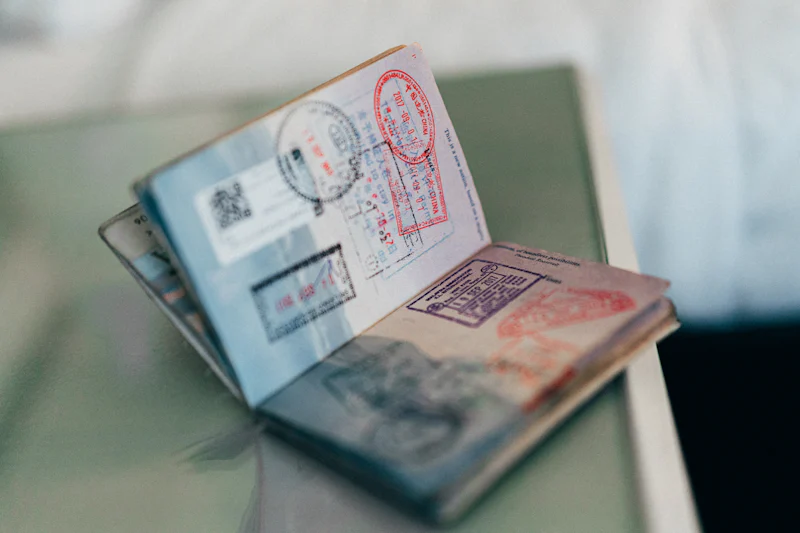
The visa-free policy allows Canadians to enter China for tourism, business visits, family reunions, transit, or cultural exchanges — but not for paid work, study, or any activity that requires a specific visa. The maximum stay is 30 consecutive calendar days from the date of entry. You can enter through any open port of entry (airports, land borders, seaports) that processes international arrivals. For example, flying into Shanghai Pudong (PVG) or taking the train from Hong Kong West Kowloon Station both qualify as long as the border post is staffed for visa-free entries.
The policy applies to ordinary passport holders only. If you hold a diplomatic, service, or other official passport, different rules apply. You also need to have at least six months of passport validity remaining beyond your intended departure date from China.
Documents You Need at the Border
Immigration officers will ask for three things: your passport, a completed arrival card (usually handed out on the plane or at the counter), and proof of onward travel. Proof can be a return flight ticket, a train ticket to a third country, or a bus reservation. They may also ask for hotel booking confirmations or an invitation letter from a Chinese host if you’re staying with friends. While it’s not strictly required, having a printed copy of your accommodation details speeds things up.
Some travelers have reported being asked for proof of sufficient funds — roughly equivalent to 500 RMB per day (around 100 CAD). Keep a bank statement or a screenshot of your WeChat Pay balance handy. Alipay or WeChat Pay statements showing a reasonable balance also work. If you’re entering through a smaller land border (e.g., Manzhouli or Gongbei in Zhuhai), they tend to be more strict about funds.
Entry and Exit Rules: Ports, Duration, and Extensions
You must leave China within 30 full days of entry. Overstaying even one day can result in a fine of 500-2,000 RMB and a mark on your immigration record. The policy does not allow you to extend your stay; there is no “visa extension” for visa-free entries. If you want to stay longer, you need to apply for a proper visa (e.g., a tourist L visa or a business M visa) before your trip.
You can re-enter China multiple times under the visa-free policy, but each stay is limited to 30 days, and you must leave before the 30-day limit. If you are planning to leave and re-enter the same day (a “visa run”), border officers may scrutinize your purpose. It’s safer to leave for at least a day or two before returning.
Allowed Activities and What’s Not Allowed
You can attend business meetings, visit relatives, hike in Zhangjiajie, or eat your way through Chengdu under this policy. You cannot:
- Engage in paid work (including remote work for a foreign company if you meet with clients in China)
- Enroll in a Chinese school or university
- Volunteer for a local organization (still considered “work”)
- Stay beyond 30 days without a visa
If you plan to work remotely for a company outside China while physically in China, the law is ambiguous, but as a general rule, avoid any activity that could be interpreted as “working” inside China. Use Dianping to find local restaurant reviews and Meituan for food delivery — those are fine.
What People Usually Miss
The biggest blind spot: this policy may end without a clear warning. It was first introduced as a temporary measure in 2023 and has been extended piecemeal. As of early 2026, it is valid, but the official notice (from the Chinese Ministry of Foreign Affairs or the embassy in Ottawa) usually states a specific expiration date, e.g., “valid until December 31, 2026.” If you are traveling in late 2026 or early 2027, you must check before buying tickets. Many generic travel blogs still list it as a permanent benefit — they are wrong.
Another detail: temporary residence registration (临时住宿登记) is required within 24 hours of arriving, regardless of visa-free status. Hotels handle this automatically. If you’re staying at a private home, you and your host must register together at the local PSB police station (派出所) in the district where you are staying. For example, if you stay with a friend in Shanghai’s Jing’an district, go to the Jing’an PSB substation with your passport and your friend’s household registration booklet (户口本). Skipping this step can result in a warning or fine.
How to Verify the Policy Before You Book
Do not rely on third-party news articles or forum posts (including this one) as the final word. The only authoritative sources are:
- Embassy of the People's Republic of China in Canada website (ca.china-embassy.gov.cn)
- Chinese Visa Application Service Center (visaforchina.org)
- National Immigration Administration of China (en.nia.gov.cn)
Call or email the nearest Chinese consulate (e.g., Toronto, Vancouver, Montreal) if your trip is close. They can confirm the current status in a few days. Also check the entry requirements for your specific point of entry — some smaller airports may not have updated their systems for visa-free entry, though this is rare.
The policy is a fantastic convenience, but it’s not a guarantee. Treat it like the “flexible” cancelation option that requires verification before use.
Quick Takeaways:
- The 30-day visa-free policy for Canadians is temporary; always confirm it is still active before booking.
- You need a passport valid 6+ months, onward ticket, and proof of accommodation.
- Register with local police within 24 hours if not staying in a hotel.
- The policy covers tourism, business, and family visits – not work or study.
- No visa extension is possible; you must leave China within 30 days.
#canada #chinavisafree #visaexemption
