In Chinese culture, dining is far more than just a method of nourishment; it is the cornerstone of building social capital and professional relationships. For expats, mastering the nuances of local table etiquette is one of the fastest ways to transition from being viewed as an outsider to being considered a trusted member of a social circle. When you demonstrate an awareness of the unspoken rules of a dinner table, you signal respect for your host and an appreciation for the local social fabric. Navigating these moments with grace requires more than just language skills; it requires an understanding of hierarchy, reciprocity, and the subtle art of the shared meal.
The Architecture of the Table
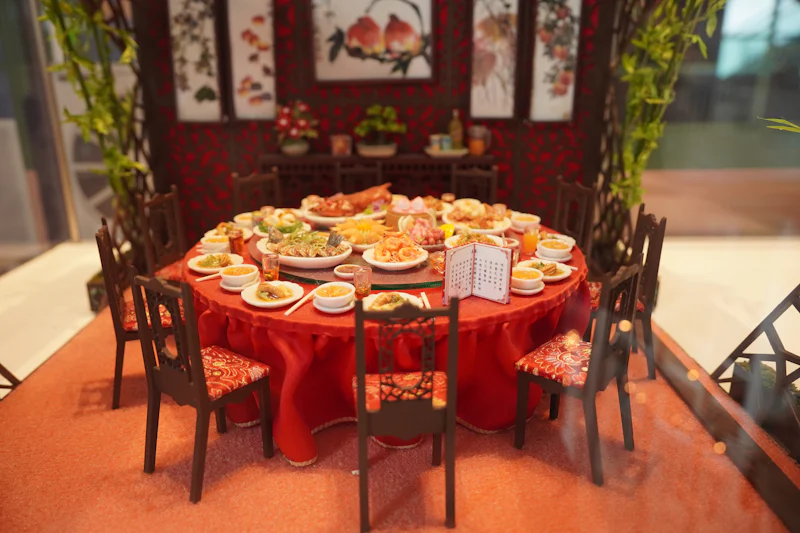
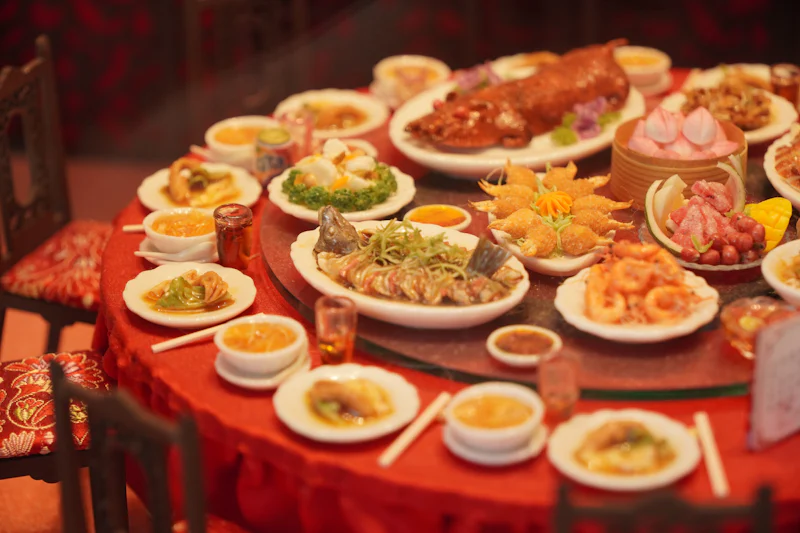
Most formal or business dinners in China occur at a round table featuring a Lazy Susan. This is not just furniture; it is a tool for harmony. The seat of honor is almost always directly facing the door. If you are a guest, do not rush to seat yourself. Wait for your host to gesture toward your designated chair. This small pause demonstrates that you understand the social hierarchy at play.
Once seated, the rhythm of the meal is controlled by the host. Avoid the temptation to grab the chopsticks and dig into a dish as soon as it arrives. Wait for the host to initiate the first round of serving or until they invite everyone to eat. If you find yourself in a position to use the Lazy Susan, always rotate it slowly and ensure that no one else is currently reaching for food before you spin it. A good rule of thumb is to wait for the oldest person or the highest-ranking professional at the table to take the first bite of a new dish.
Navigating the Chopsticks
Chopsticks are the primary utensil, but they carry a heavy weight of cultural symbolism. The most critical rule is to never stick your chopsticks vertically into a bowl of rice. This motion mimics the appearance of incense sticks burned for the deceased at a funeral and is considered highly inauspicious. When you are not actively eating, place your chopsticks on the designated rest, or lay them neatly across your bowl, never pointing them toward others.
If the meal is served family-style, use the communal serving chopsticks or a clean spoon to move food from the center plate to your own bowl. Using your personal chopsticks to dip directly into a shared dish is generally seen as unhygienic in formal settings. Mastering the physical act of using chopsticks is expected, but mastering the etiquette of how you handle them is where true cultural intelligence is displayed.
Toasting and Reciprocity
Alcohol and tea service are the lifeblood of Chinese business socializing. When a toast is proposed, especially if it involves alcohol, the height of your glass matters. If you are toasting someone senior to you, aim to have the rim of your glass slightly lower than theirs to show humility. It is common to make eye contact and say 'ganbei' (cheers), but you are not required to drain your glass every time if you are not a heavy drinker; simply touching your glass to your lips is an acceptable acknowledgment of the toast.
Tea service follows a similar logic of reciprocity. If someone pours tea for you, you can show gratitude by tapping your index and middle fingers twice on the table. This 'finger kowtow' is a subtle, non-intrusive way to say thank you without interrupting the conversation. It is a sign that you are well-versed in the local way of doing things.
The Cost of the Meal
One of the most persistent points of confusion for expats is the check. In China, there is rarely a Dutch treat or 'splitting the bill' in social or professional settings. Either the host pays, or there is a structured rotation of who picks up the tab. If you are the guest, it is polite to offer to pay, but do not make a scene of it. A simple, sincere offer is sufficient. If your host insists, accept gracefully. The most important thing is to be a gracious guest and return the favor in the future. Reciprocity is the glue that holds these relationships together, so ensure you have the capacity to host your own dinner down the line.
Understanding these customs allows you to focus on the conversation rather than worrying about potential social blunders. Which aspect of local dining etiquette have you found most challenging to adapt to in your own experience?
Quick Takeaways:
- Never plant your chopsticks vertically into a bowl of rice.
- Always keep your glass lower than your host's during toasts.
- Rotate the Lazy Susan slowly and only when others are not reaching.
- Use communal serving utensils to transfer food to your own plate.
- Always tap two fingers on the table when someone pours your tea.
Culture #diningetiquette #expatchina
