If you shop on Pinduoduo as a foreigner in China, avoiding fakes is about learning a few visual shortcuts that most users overlook. The single most important indicator is whether the product listing shows an official brand logo icon directly before the product name — if that logo is present, you’re almost certainly looking at a listing from the brand’s authorized channel. But that’s just the start. This guide breaks down the practical checks you can make, from store badges to invoice requests, so you can buy with confidence.
How to Spot the Official Store Badge
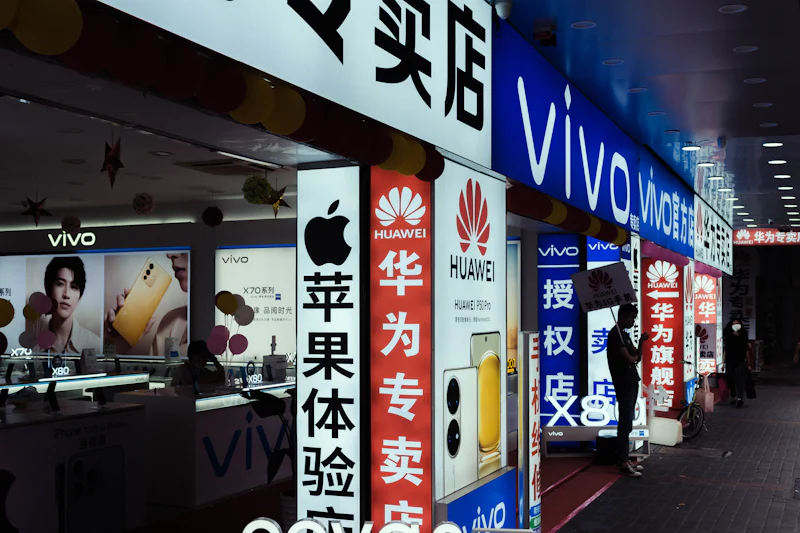
Pinduoduo marks authorized sellers with a blue or black “官方” (official) badge next to the store name. Not every genuine product comes from an “official store” — many smaller authorized distributors exist — but when you see that badge, it means Pinduoduo has verified the store’s business license and trademark authorization. To find it: open a product page, scroll just below the product title to the store name line. If the badge is missing, tap the store name and check its “资质” (qualifications) section. In cities like Shanghai or Shenzhen, official stores for electronics or personal care items often also display their business license number on the store profile page. Stick with stores that have at least 4.5 stars and more than 1,000 reviews — counterfeit sellers rarely survive long with high ratings.
Reading Reviews Like a Detective
Chinese reviews on Pinduoduo are notoriously padded with five-star ratings from “small red envelopes” (red packet incentives), so you need to read between the lines. Sort reviews by “最新” (newest) and look for photo reviews — fakers rarely include real unboxing photos. If a listing has hundreds of reviews but only 5 or 6 photos, that’s suspicious. For high-value items like electronics or branded clothing, check the “追评” (additional comments) section. Many buyers post a second review after a week of use, complaining about battery life, stitching, or missing accessories. Also note: if you see multiple reviews in English or Russian, that can actually be a good sign — it means the product is popular among expats and the seller is fulfilling orders internationally.

What to Look for in Product Titles and Descriptions
Genuine products on Pinduoduo almost always follow a naming convention: [Brand Logo Icon] + Brand Name + Product Model + Key Specs. If you see a title like “正品 (genuine) Nike running shoes size 42” without a brand logo icon, treat it as a red flag. Another trick: counterfeit listings often include non-standard characters or extra spaces to bypass search filters — for example, “N i k e” or “Ad!das”. Compare the product description with the same item on Taobao or Tmall. If the description on Pinduoduo is missing details like material composition, weight, or warranty terms, that’s another warning. For electronics, check whether the IMEI number or serial number is shown in the product images — genuine sellers usually include it.
Requesting an Invoice (Fapiao) from Sellers
One of the most effective ways to verify authenticity is to ask the seller for a fapiao (发票) before you buy. Many counterfeit sellers will refuse or make excuses. If they agree to issue one, make sure it’s a “增值税普通发票” (VAT ordinary invoice) with the seller’s real company name and tax ID. You can request this directly in the Pinduoduo chat (点击“联系客服”). In practice, for items under 500 RMB, some genuine third-party distributors won’t issue an invoice, but official brand stores always will. If you’re buying something expensive (e.g., a smartphone over 3,000 RMB), insist on an invoice — if they balk, walk away. In Beijing, some electronics markets also accept fapiao as proof for later warranty claims.
What People Usually Miss
Most guides tell you to “check the brand logo” and “read reviews,” but they skip the fact that Pinduoduo’s own “品牌” (brand) filter is unreliable. The platform automatically categorizes many products under a brand name even if they are not genuine — because the seller paid a small fee to be listed under that brand tag. Instead, look at the product’s SKU (stock keeping unit). Genuine products often have a unique model number that matches the brand’s official website. For example, if you search “Sony WH-1000XM5” on Pinduoduo, the official listing will show the exact model number “WH-1000XM5” in the SKU drop-down; counterfeits will use generic terms like “Sony wireless headphones.” Also, you can use the Pinduoduo search bar to search for the brand name + “旗舰店” (flagship store) — that bypasses the brand tag entirely and shows only verified flagship stores. Finally, if you are in Chengdu or Guangzhou, many expats have reported that local Pinduoduo group-buy (拼团) orders from friends often lead to fakes — avoid joining random group buys for luxury goods unless you know the group leader.
The bottom line: Pinduoduo is not a scam platform, but it requires a different mindset than Amazon or Taobao. Prioritize official badges, scrutinize photo reviews, and always ask for a fapiao on big purchases. Do not rely on the platform’s own brand filter.
Has anyone had luck getting a refund on counterfeit goods through Pinduoduo’s customer service recently?
Quick Takeaways:
- Look for the blue “官方” badge on the store name before trusting any listing.
- Sort reviews by newest and check photo uploads to spot fake feedback.
- Request a VAT fapiao for items over 500 RMB to confirm seller legitimacy.
- Avoid using Pinduoduo’s brand filter; search for “旗舰店” instead.
- Compare product SKU model numbers with the official brand website.
#pinduoduo #counterfeitguide #chinaexpattips
