Maintaining your Chinese mobile number while traveling or living abroad is essential for accessing banking services, government portals, and verification codes that rely on your Chinese SIM card. Letting your number expire can cause significant complications, as many Chinese digital platforms require an active SMS-capable number to recover accounts or update credentials. Fortunately, keeping your account active is straightforward if you manage your credit and plan options proactively before you leave the country.
Assess Your Plan Requirements
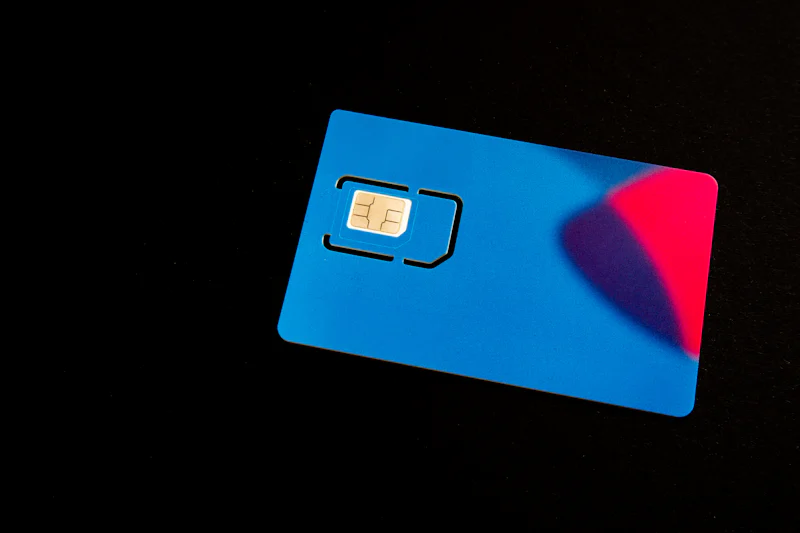
The first step is to switch to the most cost-effective plan available. Most providers, such as China Mobile, China Unicom, or China Telecom, offer "low-cost" retention plans, sometimes referred to as a "keeping the number" (保号) plan. Visit a physical store or contact customer service to request the cheapest monthly subscription, which often costs between 8 and 18 RMB. This move ensures your number remains active at the lowest possible financial cost while you are away.
Managing Your Balance Remotely
Once your account is set up with a low-cost plan, you must ensure it does not run out of credit. If your balance hits zero, the carrier will suspend your service, and after a set period—usually 30 to 90 days—they will reclaim the number. The most reliable way to top up from overseas is via Alipay or WeChat Pay. Both apps have dedicated mobile top-up sections. Ensure your linked bank card or wallet balance is sufficient to handle recurring monthly charges for at least six to twelve months in advance. It is recommended to add a buffer of 100 RMB to avoid any service interruptions caused by unexpected fee fluctuations.

Enabling International Roaming
Before you exit China, verify that your account has international roaming enabled. This is often an automated feature, but it is wise to confirm via the carrier's official app. Be aware that receiving SMS messages while roaming is typically free, but using data or making calls will incur significant charges. To protect yourself from a massive bill, disable mobile data settings on your device and restrict the SIM card's roaming permissions. Simply having the SIM card active in your phone (or a spare handset) without using mobile data is the safest way to maintain access to SMS verification codes without triggering international usage fees.
Potential Pitfalls and Troubleshooting
One common issue is the expiration of the SIM card's validity period. Even if you have a balance, some carriers require periodic "activity" to keep the number fully active. If your account shows a "locked" or "suspended" status, you may be unable to receive incoming SMS, which defeats the purpose of keeping the number. Always log into your carrier’s app monthly to check your status. If you lose your SIM card, replacing it from abroad is nearly impossible, as most carriers require a passport check in a physical branch. If you believe your SIM is faulty, consider assigning a trusted contact in China to act as an authorized agent, though this requires prior legal documentation or visiting a branch together before you depart.
Maintaining a Chinese phone number requires vigilance, but it is a necessary investment for anyone planning to return to China or who still manages assets within the country. By switching to a low-cost plan and using digital payment platforms for top-ups, you can bridge the distance between your home abroad and your digital identity in China. What is the most reliable carrier experience you have had while managing your account from overseas?
Quick Takeaways:
- Switch to a low-cost 8-18 RMB monthly plan before departure.
- Use Alipay or WeChat Pay to top up your balance regularly.
- Disable roaming data settings to avoid unexpected international charges.
- Check your account status monthly via the provider's official app.
- Ensure your passport details associated with the SIM are current.
#livingguide #expatchina #chinatech
