Navigating the nuances of gift-giving in China can feel like decoding a complex social map. For many expats, the act of giving is viewed as a simple gesture of kindness, but in a Chinese context, it is deeply intertwined with 'mianzi' (face) and the cultivation of long-term relationships, known as 'guanxi'. Understanding that a gift is rarely just an object, but rather a bridge for social reciprocity, is the first step toward building genuine connections with your Chinese colleagues, neighbors, and friends. By moving away from purely Western transactional mindsets, you can transform these interactions into meaningful social investments.
The Concept of Reciprocity
In China, gift-giving follows an implicit cycle of obligation. If you receive a gift, you are expected to return the favor with something of equal or slightly higher value eventually. This is not about keeping a score-card, but rather about acknowledging that both parties are invested in the relationship. When you are invited to a home for dinner, never arrive empty-handed. Bringing a small token—such as a box of premium fruit, high-quality tea, or specialty snacks from your home country—is standard protocol. Avoid bringing cut flowers, as these are often associated with funerals, and stay away from clocks or sharp objects, as they carry negative homophonous connotations in Chinese.
Selecting the Right Gift
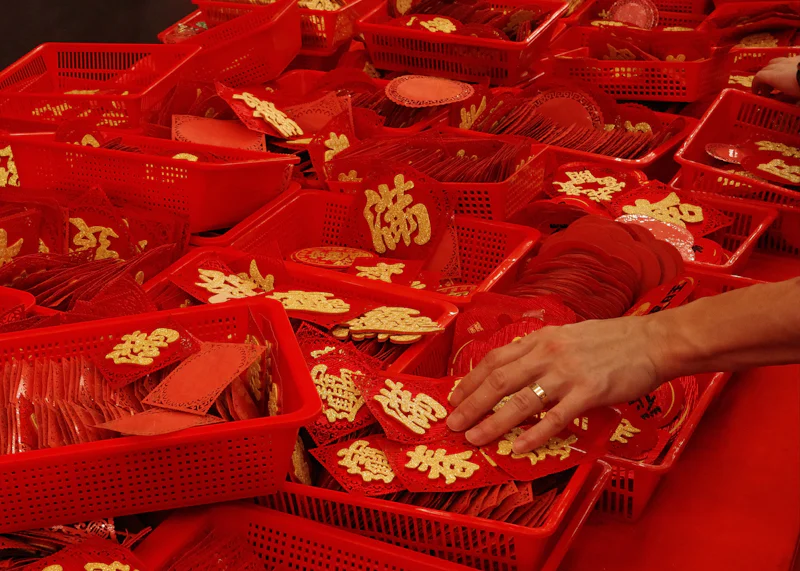
When choosing a gift, the presentation is often as important as the contents. Avoid wrapping items in white or black paper, as these colors are traditionally associated with mourning. Instead, opt for red, gold, or bright colors which symbolize luck and prosperity. If you are gifting an item of significant value, be prepared for a bit of a polite 'tug-of-war' where the recipient may refuse the gift two or three times before finally accepting. This is not a rejection of your gesture, but a demonstration of humility and a way to avoid looking greedy. Simply persist in your offer with a polite phrase like 'It is just a small token of my appreciation' (这是一个小意思).
Practical Etiquette and Timing
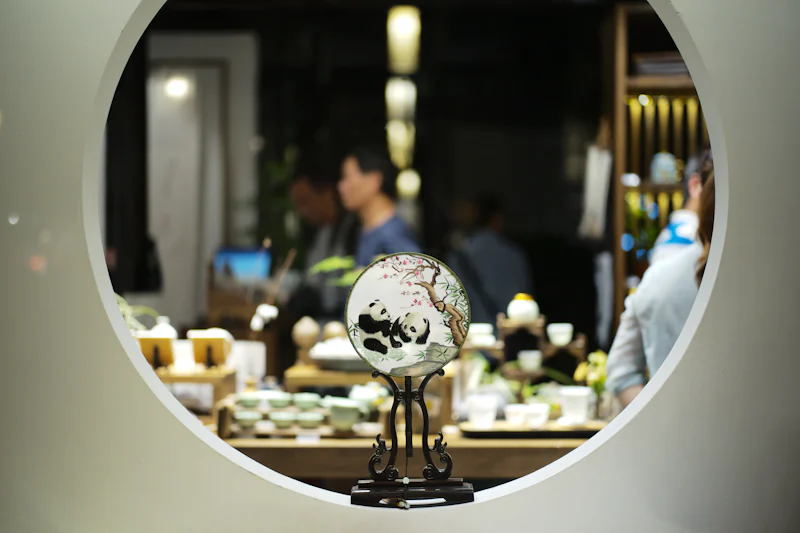
Timing matters significantly depending on the occasion. For business relationships, gifts should be modest to avoid any suspicion of bribery or impropriety. High-end stationery, books, or curated items representing your home culture are safe and professional choices. If you are navigating a social circle, observe how others interact; Chinese friends often enjoy gifts that show you have listened to their personal interests. For example, if a friend mentions enjoying a specific type of coffee, bringing a bag of beans from an artisanal roaster is seen as thoughtful and personal.
Common Pitfalls to Avoid
One of the most common mistakes foreigners make is ignoring the 'double' rule. In many contexts, items are preferred in pairs, as the number two represents harmony. However, avoid the number four, which sounds like the word for 'death'. Additionally, if you are presenting a gift, use both hands to hand it over. This gesture shows respect and ensures that you are giving the item your full attention. If you are in a formal setting, it is also acceptable to wait until you are leaving or at the end of the meal to offer your gift, rather than presenting it the moment you walk through the door.
Ultimately, the goal of gift-giving in China is to demonstrate your respect for the cultural framework that governs interpersonal bonds. By prioritizing the gesture over the monetary value, you show that you are an engaged participant in your community rather than a transient observer. It is about the intent behind the object and the long-term rapport you wish to foster. Have you ever found yourself in an awkward situation regarding cultural etiquette while navigating a social invitation in China?
Quick Takeaways:
- Always offer or receive gifts with both hands to show respect
- Avoid white/black wrapping paper; prioritize red, gold, or festive colors
- Never bring clocks or sharp objects as gifts for friends
- Respect the polite refusal phase; be prepared to offer again
- Bring small gifts when visiting a home, focusing on fruit or tea
#culturetips #expatchina #socialetiquette
