Planning a trip to Xinjiang is a rewarding endeavor that requires more logistical preparation than traveling within eastern China. Because of the vast distances, varying altitudes, and unique administrative landscape, a successful trip relies heavily on advance planning regarding transport, permits, and seasonal timing. While the region is welcoming to international tourists, understanding the specific rhythm of local travel, including the necessity of regional registration and the reality of long-distance transit, will significantly enhance your experience. Prioritizing efficiency in your itinerary will allow you to focus on the cultural depth and natural landscapes that make Xinjiang a unique destination.
Navigating Transportation Logistics
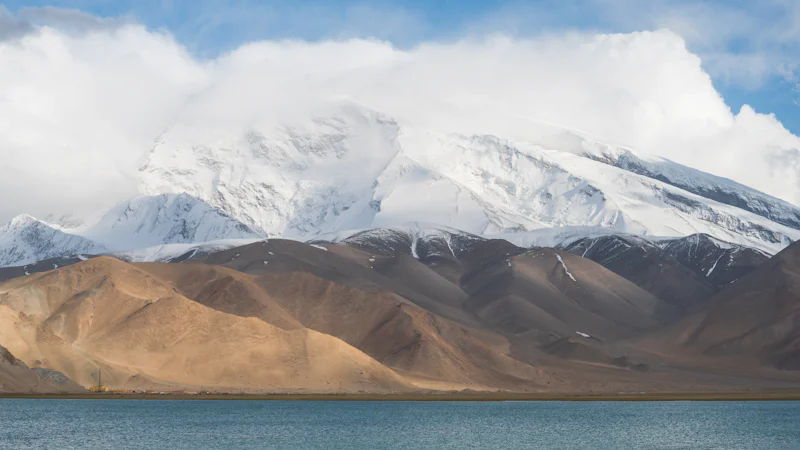
The most important realization for first-time travelers is that Xinjiang covers one-sixth of China's landmass. Expect long travel days. The most efficient way to cover ground between major hubs like Urumqi, Kashgar, and Altay is by domestic flight. While the high-speed rail network is expanding, it currently only links the major western corridors. For shorter distances, consider hiring a private driver for a few days, which is often the most flexible way to explore remote areas like the Duku Highway or the fringes of the Taklamakan Desert.
When booking transport, always use your passport. Ensure that your name on any booking platform (Trip.com is standard) matches your passport exactly as it appears in the machine-readable zone. Be prepared for extra security screenings at airports and train stations; arrive at least 90 minutes before your departure time to account for these procedures.
Understanding Administrative Requirements
Unlike traveling to major tier-one cities, some remote areas or border regions in Xinjiang may have specific restrictions for foreign passport holders. Always confirm with your hotel that they are licensed to host foreign guests before booking. Most reputable hotels in major cities are fully equipped, but in smaller towns, you might be limited to specific designated hotels. Use platforms like Ctrip or call the hotel directly to confirm they accept 'waibin' (foreign guests). Additionally, keep a digital and physical copy of your passport and visa at all times, as you will be required to register your stay with local authorities, a process typically handled automatically by your hotel upon check-in.
Culinary Exploration and Cultural Respect
Xinjiang cuisine is distinct, defined by lamb, noodles, and diverse spice profiles. Street food is a highlight, but hygiene standards can vary. Stick to high-turnover stalls where you see locals queuing. In terms of cultural etiquette, it is important to be mindful of local customs, especially regarding dietary practices. Always ask before taking photos of individuals, particularly in religious spaces or local markets. When visiting mosques or historical sites, dress modestly—covering shoulders and knees is the standard expectation for all visitors. Learning a few basic phrases in Mandarin is helpful, though you will find that a respectful attitude and basic non-verbal communication go a long way.
Optimal Timing and Packing
Avoid visiting during the peak heat of August if you plan to explore the desert regions, as temperatures can exceed 40 degrees Celsius. The shoulder seasons—specifically late May to June or September to early October—offer the most comfortable weather for trekking and sightseeing. Regarding packing, Xinjiang experiences extreme diurnal temperature variation. Even in summer, mountain regions can drop to near freezing at night. Always pack layers, including a high-quality windbreaker and sturdy, comfortable walking shoes. A portable power bank is essential, as long travel days mean you will rely heavily on your phone for navigation and digital payments.
Developing a realistic itinerary is the single most important step for an enjoyable trip. Attempting to see the entire region in one week is physically exhausting and practically impossible. Instead, focus on a specific area, such as the northern mountainous region near Altay or the southern historic Silk Road route starting from Kashgar. Which region are you planning to prioritize for your first visit to Xinjiang?
Quick Takeaways:
- Book hotels that explicitly accept foreign passport holders to avoid check-in issues.
- Prioritize domestic flights between major hubs to save significant travel time.
- Pack layers to accommodate extreme temperature fluctuations between day and night.
- Always carry your original passport for regional security and hotel check-in requirements.
- Focus on one region to avoid excessive time spent in transit.
#travelchina #xinjiang #chinatravel
