Choosing between Shanghai and Beijing depends entirely on your career and lifestyle priorities. There’s no single “better” city. Shanghai is the undisputed champion for careers in international finance, trade, and marketing, offering a fast-paced, cosmopolitan lifestyle. Beijing, as the nation's political and cultural heart, is the premier destination for those in tech, education, diplomacy, and state-level enterprises who want a deeper immersion into Chinese history and modern power.
Career Opportunities: Finance Hub vs. Capital Powerhouse
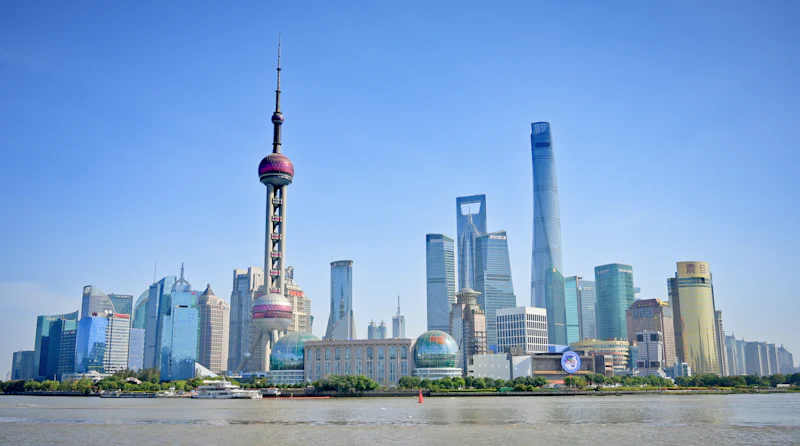
Your professional field is the most critical factor. Shanghai is China’s gleaming financial engine. The 陆家嘴 (Lùjiāzuǐ) skyline isn’t just for show; it’s home to the headquarters of countless multinational corporations, investment banks, and luxury brands. If your resume includes terms like “international trade,” “fintech,” “logistics,” or “brand management,” Shanghai’s job market is tailored for you. The business culture is often described as more direct and efficient, aligning closely with Western corporate norms.
Beijing, on the other hand, is the center of gravity for different industries. The 中关村 (Zhōngguāncūn) area is China's Silicon Valley, hosting giants like Baidu and ByteDance, making it a magnet for tech talent. As the capital, it’s the headquarters for all major state-owned enterprises (SOEs), foreign embassies, and international media bureaus. It's also the heart of the nation’s top-tier academic institutions, like Peking University and Tsinghua, creating abundant opportunities in education and research. If your work involves government relations, policy, or cutting-edge R&D, Beijing is the place to be.
Lifestyle and Vibe: International Polish vs. Imperial Grandeur
The daily rhythm and atmosphere of each city are starkly different. Shanghai feels electric, modern, and relentlessly international. Its colonial past is visible in the architecture of the French Concession and the Bund (外滩, Wàitān), creating a unique East-meets-West aesthetic. The city boasts a world-class culinary scene, an energetic nightlife, and a vibrant café culture. It’s arguably easier for a newcomer to find familiar comforts and build a diverse, international social circle quickly. The city feels more compact and is exceptionally walkable in its central districts.
Beijing offers a different kind of grandeur—one rooted in centuries of history. Life can feel more spread out and perhaps a bit slower than in Shanghai. You can spend weekends exploring the Forbidden City, wandering through ancient 胡同 (hútòng) alleyways, or visiting the 798 Art District. The culture here feels more distinctly Chinese. While it has excellent international options, the city's identity is less defined by its foreign population. It’s a place where you can feel the immense scale and history of the country on a daily basis.
Cost of Living: A Tale of Two Tiers
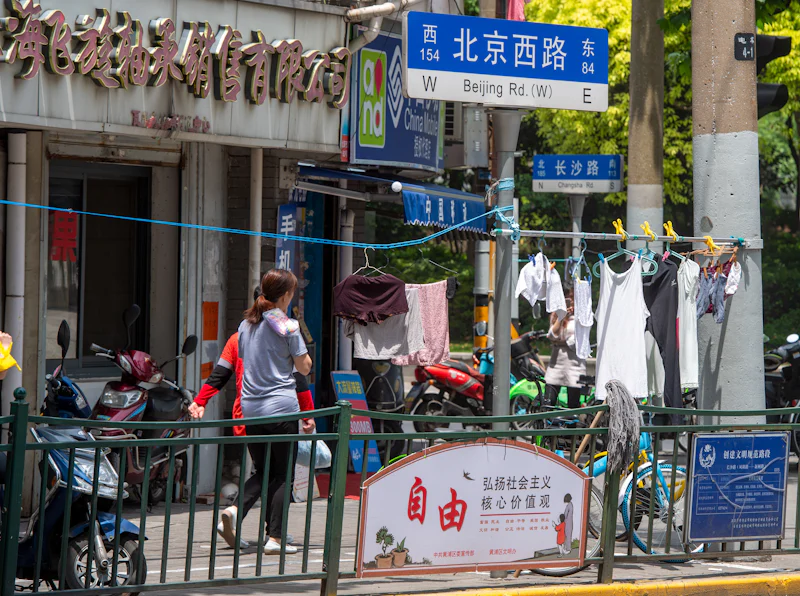
Both cities are expensive by Chinese standards, but the costs manifest differently. Housing is the biggest differentiator. Rent in desirable central Shanghai districts like Jing'an or Xuhui is notoriously high, with a modern one-bedroom apartment often exceeding 9,000 RMB per month. While you can find cheaper options, you'll sacrifice space or location.
In Beijing, central housing in areas like Chaoyang or Dongcheng can be slightly more affordable for comparable quality, though “affordable” is a relative term. However, because Beijing is so vast, many expats live further out and face longer commutes. Daily expenses like transportation—a subway ride in either city costs between 3–8 RMB—and local food are quite similar. However, high-end international groceries and dining tend to be more abundant and slightly pricier in Shanghai.
Navigating the Environment
Logistics and environment play a huge role in day-to-day life. Shanghai’s relatively flat terrain and more contained city center make it very friendly for walking and cycling. The public transit system is hyper-efficient. Its climate is defined by humid, hot summers with significant rainfall (including a “plum rain” season) and damp, chilly winters.
Beijing is a sprawling metropolis built around concentric ring roads, which can make cross-town travel a significant time commitment. Its climate is one of extremes: dry, scorching summers and freezing, windy winters. While air quality has improved dramatically, the city is still prone to occasional sandstorms in the spring, a factor many newcomers don't anticipate.
Ultimately, the Shanghai vs. Beijing debate is a personal one, weighing a globalized, commercially-driven future against a deeply-rooted cultural and political present.
For those who have lived in both, what was the one deciding factor that made you prefer one city over the other?
Quick Takeaways:
- Shanghai excels in international finance, trade, and marketing careers.
- Beijing is the undisputed center for tech, education, government, and SOEs.
- Shanghai's core is more compact and walkable, with a humid climate.
- Beijing is vast and sprawling with a climate of dry, continental extremes.
- Central housing is often more expensive in Shanghai, but commutes can be longer in Beijing.
#shanghaivsbeijing #expatchina #livinginchina
