If you have spent any time reading contemporary Chinese literature in translation, you have likely noticed a shift in how names are presented. In the past, Western readers often encountered names transcribed in a way that adhered strictly to traditional Pinyin, sometimes resulting in confusion regarding which part of the name was the surname. Today, authors and translators are increasingly adjusting these conventions to suit international sensibilities without sacrificing cultural authenticity. Understanding these nuances is essential for any expatriate trying to bridge the gap between their Chinese social circle and their literary interests.
The Traditional Order vs. Global Flow
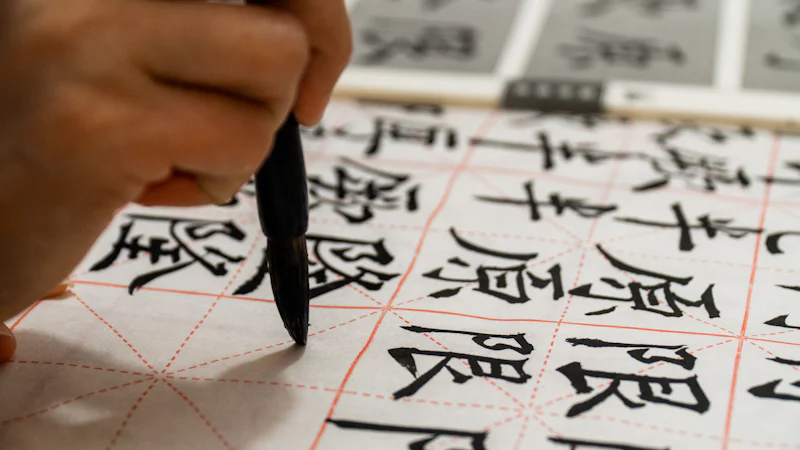
Historically, Chinese names consist of a one-character or two-character surname followed by a given name. In Mandarin, the surname is always primary, reflecting the collectivist focus of Chinese society where the family unit precedes the individual. When authors write for a Western audience, they face a decision: maintain the original "Surname-Given Name" order or adopt the "Given Name-Surname" order used in English-speaking countries.
Modern fiction often utilizes the latter to make characters more accessible. By flipping the order, authors prevent the reader from accidentally misidentifying a character. For instance, if a character is named Wang Wei, an English reader might mistake "Wei" for the surname. By writing "Wei Wang," the author creates an immediate sense of clarity, albeit at the cost of the cultural hierarchy inherent in the original structure. If you are reading a novel where the order feels inconsistent, look for the author's note in the preface; many contemporary writers now choose to keep the surname in capital letters (e.g., WANG Wei) to signal their intention to preserve the original format while assisting the reader.
The Role of Pinyin and Romanization
Another layer of complexity involves the romanization of characters. While Pinyin is the standard, some modern authors prefer older systems like Wade-Giles or idiosyncratic spellings that reflect regional dialects, such as Cantonese. In modern settings, you will often find that characters are given English "nicknames" within the text. This is a common practice in urban settings in Shanghai or Beijing, where local professionals often adopt an English name for business purposes. When authors incorporate these names into fiction, it provides a realistic portrayal of the modern Chinese professional who operates in a bilingual, globalized environment.

Cultural Contextualization
In modern Chinese fiction, names are rarely random. They are carefully chosen to reflect the character's personality, aspirations, or even the era in which they were born. A name containing characters related to nature or virtues is common, and translators often add footnotes or glossaries to explain the etymological significance of these choices. As an expat, you might notice that your Chinese colleagues share similar naming patterns. When reading fiction, paying attention to these meanings can unlock a deeper understanding of the character's narrative arc. If you find yourself struggling to remember who is who, keeping a character index or a small notebook is a practical way to track these evolving naming conventions as you progress through the chapters.
Considerations for the Modern Reader
When choosing what to read, consider the publication date. Works from the last five to ten years are much more likely to utilize user-friendly formatting for foreign readers. If you are reading a digital copy or an e-book, utilize the search function to trace the character's full name when they are first introduced. This simple technical step saves you from the frustration of losing track of the plot due to naming confusion. Furthermore, checking if the translation was collaborative—involving both a native Chinese speaker and a native English speaker—often yields a text that balances linguistic accuracy with cultural readability.
Ultimately, the evolution of Chinese names in literature reflects the changing nature of China’s role on the global stage. By adapting to international norms while retaining their distinct cultural identity, these authors are not losing their heritage; they are inviting a wider audience to participate in the conversation. How has encountering these different naming formats impacted your ability to follow the narratives in Chinese literature?
Quick Takeaways:
- Chinese surnames traditionally precede given names in the local structure.
- Modern authors often use caps for surnames (WANG Wei) to assist readability.
- English nicknames in fiction often mirror real-life professional naming habits in China.
- Keep a character log for complex novels to track individual identity and significance.
- Use e-book search features to confirm character identity upon their first mention.
Culture #literature #languagelearning
