Being invited to a Chinese home for dinner is a wonderful milestone in your life in China, signaling that you have moved beyond the "newcomer" phase and into a more personal relationship with your hosts. However, it often comes with a mild sense of anxiety regarding local etiquette. The good news is that Chinese hosts are generally very forgiving of foreigners; they expect you to be unfamiliar with every nuance. Still, showing that you have made an effort to understand local customs is the best way to ensure you are invited back time and time again.
The Art of the Gift
Arriving empty-handed is a major social faux pas in China. The gesture of bringing a gift is more important than the cost of the item itself. You do not need to spend a fortune, but you should avoid things that look cheap or "last minute."
Focus on consumable items that can be shared. High-quality fruit baskets—especially those presented in nice packaging from premium supermarkets like Ole or Sam’s Club—are universally appreciated. Seasonal fruits like cherries, grapes, or specialty melons are safe bets. If you choose to bring alcohol, opt for a well-known brand of baijiu or a decent imported red wine; do not bring cheap supermarket beer. If there are children in the household, bringing a small box of high-quality chocolates or high-end milk powder is a thoughtful touch that signals you are mindful of the entire family.
Avoid bringing clocks (the word for "giving a clock" sounds like "attending a funeral") and sharp objects like knife sets, which symbolize severing a relationship. Also, avoid white flowers, as they are traditionally associated with mourning. Wrap gifts in red or gold paper if possible, as these colors symbolize prosperity and luck.
Navigating Table Manners
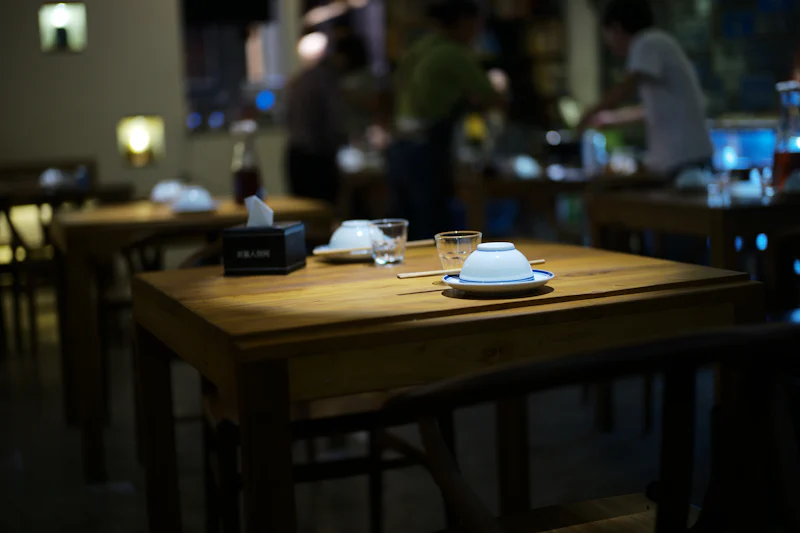
Once the meal begins, the host will likely overwhelm you with food. It is traditional for the host to keep your bowl full; in Chinese culture, an empty bowl implies the guest is still hungry and the host has failed to provide enough food. If you are full, simply leave a small amount of rice or food in your bowl—this signals that you have eaten your fill.
Regarding chopsticks, the most important rule is to never stand them vertically in a bowl of rice. This mimics the incense sticks used at funerals and is considered a very bad omen. If you need to pause, place your chopsticks across the top of your bowl or on the provided rest. When serving others, it is considered polite to use a pair of serving chopsticks or, if they are not available, turn your own chopsticks around to use the clean, back ends to move food from the communal platter to their bowl.
The Nuance of Toasts
Dining in a Chinese home involves a fair amount of social ritual, particularly regarding drinking. If you do not drink alcohol, be firm but polite when offered. A simple, "I am sorry, my doctor has advised me not to drink" or "I am allergic to alcohol" is usually accepted without further pressure. If you do drink, pay attention to the "pecking order" of the table. Usually, you should let the host or the most senior guest initiate the first toast. When clinking glasses, it is common practice to lower the rim of your glass slightly below that of the senior person as a sign of respect.
Ultimately, the goal of a dinner invitation is connection, not rigid adherence to every historical custom. If you approach the evening with humility, curiosity, and a sense of gratitude, your hosts will be delighted to have you at their table. What has been the most surprising custom you have encountered while dining with your local friends?
