Choosing to live in Shanghai’s Jinshan district is a deliberate trade-off: you gain significant affordability and a more local pace of life at the direct expense of commute time and the social convenience of the city center. It’s an ideal choice for foreigners who prioritize space and savings and are prepared for a more immersive, less expat-centric experience. However, if your work and social life are deeply rooted in downtown districts like Jing'an or Xuhui, the daily travel can quickly become a major drawback. The decision hinges entirely on your personal priorities for life in Jinshan Shanghai.
The Commute Reality
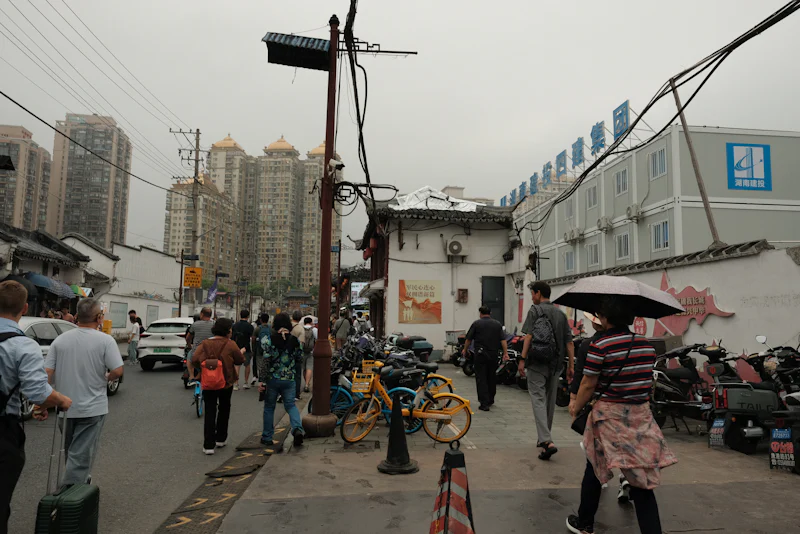
The single most critical factor for anyone considering Jinshan is transportation. Your lifeline to the city is the Jinshan Railway (金山铁路, Jīnshān Tiělù), a high-speed commuter line connecting Jinshanwei station to Shanghai South Railway Station. The fastest trains complete the journey in about 32 minutes, while slower, multi-stop trains can take up to an hour. This is far more efficient than relying on the Shanghai Metro, which requires multiple transfers and is significantly slower. However, you must factor in the “last mile”—the travel time from your apartment to Jinshanwei station and from Shanghai South to your final destination. This can easily add another 30–60 minutes to your total trip. The cost is low, typically under 10 RMB one way, and you can pay with a Shanghai Public Transportation Card, but the time commitment is the real price.
Cost of Living Comparison
This is Jinshan’s biggest selling point. The financial difference between living here and in central Shanghai is stark. You can expect rental prices to be anywhere from 40% to 60% lower than for a comparable apartment in a popular downtown area. A modern two-bedroom apartment in Jinshan might cost the same as a small studio in a central district. This affordability extends to daily life; groceries, local restaurants, and services are all noticeably cheaper. For those on a tighter budget or saving aggressively, Jinshan offers a standard of living in terms of space and disposable income that is difficult to achieve in the city center. The key is to balance these savings against potential transportation costs if you travel downtown frequently.
Social Life and Amenities
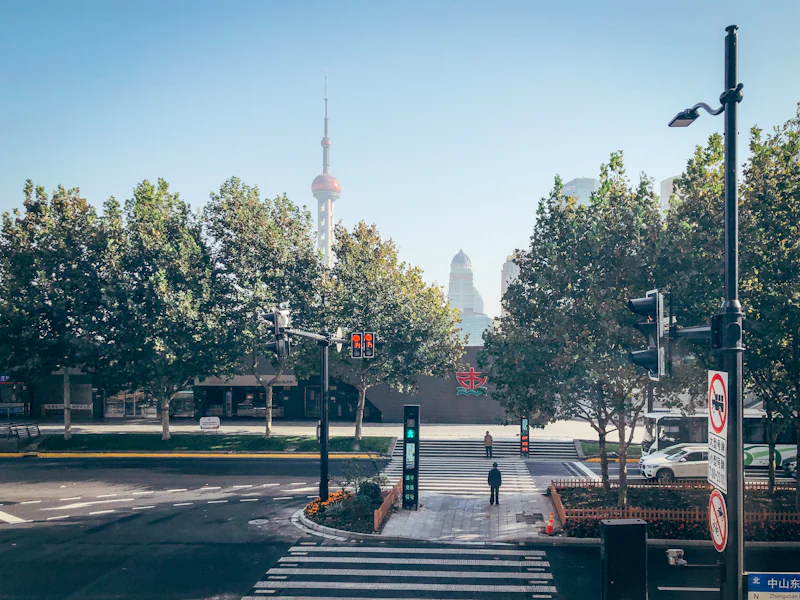
Living in Shanghai suburbs like Jinshan means adapting to a different social rhythm. The bustling, international nightlife and restaurant scene of central Shanghai is replaced by a quieter, more community-focused atmosphere. While you’ll find modern conveniences like a Wanda Plaza for shopping, cinemas, and chain restaurants, the options for Western-style bars or niche international cuisine are very limited. The primary attraction is Jinshan City Beach (金山城市沙滩, Jīnshān Chéngshì Shātān), which offers a unique coastal vibe unseen elsewhere in Shanghai. A foreigner in Jinshan should be prepared for a more immersive experience where speaking some Mandarin is a significant advantage, as English is not widely used. Social circles tend to be smaller and more closely knit, often revolving around colleagues or local neighborhood activities rather than a large, diverse expat network.
Is Jinshan a Good Place to Live?
Ultimately, the answer depends on your definition of “good.” It’s a fantastic place to live if you want to save money, enjoy a larger living space, experience a more traditional Chinese city environment, and don’t mind a structured commute. It is likely a poor choice if you thrive on spontaneity, require a dense network of fellow expats, and want bars, galleries, and international restaurants within a 15-minute walk. Before committing, consider your non-negotiables. If a short commute and vibrant nightlife are at the top of your list, Jinshan will likely feel isolating. If you value quiet evenings, open spaces, and financial freedom, it could be the perfect fit.
Choosing Jinshan is a lifestyle decision that prioritizes spacious, affordable living over the fast-paced convenience of the urban core. For those who've lived in both a Shanghai suburb and the city center, what was the one factor that made you choose one over the other?
Quick Takeaways:
- The Jinshan Railway is the main commute option, taking 30–60 minutes to Shanghai South.
- Expect rent to be 40–60% cheaper than in popular central Shanghai districts.
- Social life is local-focused with fewer Western amenities and less spoken English.
- It's a trade-off: financial savings and space versus a longer commute and quieter nightlife.
#shanghailife #jinshan #expatchina