Yes, Tongji University's English-taught architecture program is widely considered one of the best in China and holds a strong reputation across Asia. However, its real value for international students hinges on your career ambitions. If your goal is to work within the context of China's hyper-dense urban environments or for a multinational firm in Shanghai, the program is unparalleled. It offers a front-row seat to the most ambitious construction projects in the world, but it demands more self-direction and proactive networking than many Western programs.
The Program’s Reputation and Focus
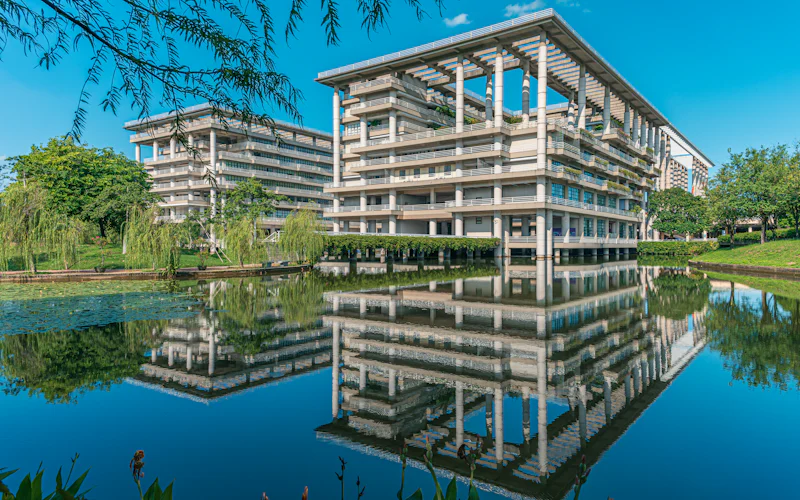
Tongji’s College of Architecture and Urban Planning (CAUP) consistently ranks as the #1 architecture school in China. This reputation is not just academic; it’s deeply embedded in the professional landscape. The curriculum leverages its Shanghai location, treating the city as a living laboratory for studying high-density urbanism, sustainable design, and historic preservation in a rapidly modernizing context. The English-taught program often emphasizes digital design and fabrication, with access to advanced facilities at the 数字设计研究中心 (Shùzì Shèjì Yánjiū Zhōngxīn), or Digital Design Research Center. You're not just learning theory; you're studying principles being applied in the skyscrapers and urban renewal projects right outside your campus door.
The English Track vs. The Chinese Track
This is a critical consideration for any Tongji University international student. The English-taught program is robust, with internationally educated faculty who bring a global perspective. The core curriculum is solid, and you will receive a world-class education without needing fluency in Mandarin. However, it's important to understand that the English track is a smaller subset of the larger, more influential Chinese-language program. The widest selection of electives, studios, and access to certain star professors is often within the Chinese track. Successful foreign students find ways to bridge this gap—collaborating on projects with Chinese-speaking classmates, attending guest lectures in Chinese (even just to see the visuals), and actively seeking mentorship from professors across both programs.
Career Prospects for Foreign Graduates
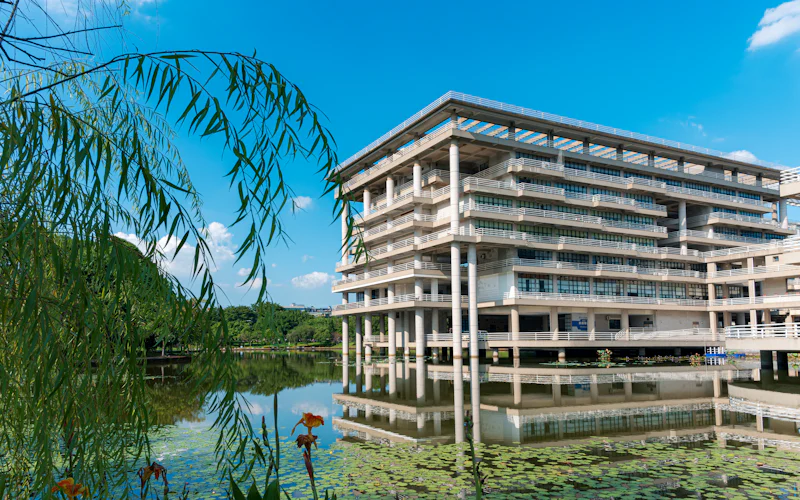
Graduating from Tongji opens significant doors, particularly if you plan to start your career in China. The Tongji architecture program review from alumni is overwhelmingly positive regarding local job prospects. The university's name carries immense weight with both local and international firms in Shanghai, including major players like Gensler, SOM, and BDP. The alumni network is powerful and pervasive throughout the city's architecture and urban planning sectors. Having a degree from a top-tier Chinese university like Tongji can also streamline the process of securing a 工作许可 (gōngzuò xǔkě), or work permit, after graduation. To truly maximize your opportunities, however, reaching at least an HSK 4 level of Mandarin is a game-changer. It unlocks networking opportunities and leadership roles that are otherwise inaccessible.
What to Expect as a Foreigner
The pedagogical style at Tongji can be more theoretical and research-driven than the design-build focus of some American or European schools. Students are expected to be highly independent and self-motivated. You won’t be spoon-fed; you will be given a framework and expected to conduct deep research to support your design concepts. Administratively, like any large Chinese institution, things can be bureaucratic. Patience and persistence are key. The biggest challenge is often social and professional integration. Your coursework may be in English, but the industry's heart beats in Mandarin. Making local friends, joining university clubs, and taking language classes are not just extras—they are essential components of a successful experience.
The program offers an incredible platform into the world's most dynamic architectural market, but it rewards those who actively push beyond the confines of the English-language curriculum.
For current students or alumni, what is the single most important skill you developed at Tongji that helps you in your career today?
Quick Takeaways:
- The program is highly ranked in China and respected by international firms in Shanghai.
- Career prospects are excellent locally, especially if you develop Mandarin proficiency (HSK 4+).
- Success requires being a self-starter, as the academic culture emphasizes independent research.
- Proactively network with students and faculty from the larger Chinese-taught track.
- Use the city of Shanghai as your primary resource and learning laboratory.
#tongjiuniversity #studyinshanghai #architecturestudent