Traveling through Xinjiang without a car is not only possible but also a fantastic way to see the region. The key is to use China's efficient train network as your skeleton and supplement it with long-distance buses and occasional hired drivers for remote areas. While you lose some flexibility, you gain a closer look at the vast distances and diverse landscapes from a perspective that self-driving misses. Planning your route around major transport hubs is the most important step for a successful trip.
The Backbone of Your Trip: Trains vs. Buses

Xinjiang’s sheer size makes trains the best option for covering long distances between major cities. The overnight sleeper train (卧铺, wòpù) from Ürümqi to Kashgar, for example, is a classic journey that saves you a full day of travel and the cost of a hotel. High-speed rail connects Ürümqi with cities like Hami and Turpan, making day trips feasible. You can book all train tickets easily on apps like Trip.com (携程, Ctrip), often up to 14 days in advance.
Buses are your link to areas off the railway grid. They are essential for reaching destinations like Kanas Lake from Burqin or traveling between smaller towns in the Ili Valley. While slower and less comfortable than trains, they are frequent and inexpensive. Bus stations (客运站, kèyùnzhàn) are usually centrally located. Be prepared for longer-than-scheduled journey times and multiple security checks along the way.
Choosing Your Loop: Northern vs. Southern Xinjiang
Your itinerary will largely depend on which part of Xinjiang you want to see, as the north and south offer vastly different experiences.
Northern Xinjiang (北疆, Běijiāng) is a land of alpine scenery. Think stunning blue lakes, vast green grasslands, and Siberian forests. This is the postcard image of Xinjiang many people have. The best time to visit is from June to early September for lush landscapes and pleasant weather. It’s ideal for nature lovers and hikers.
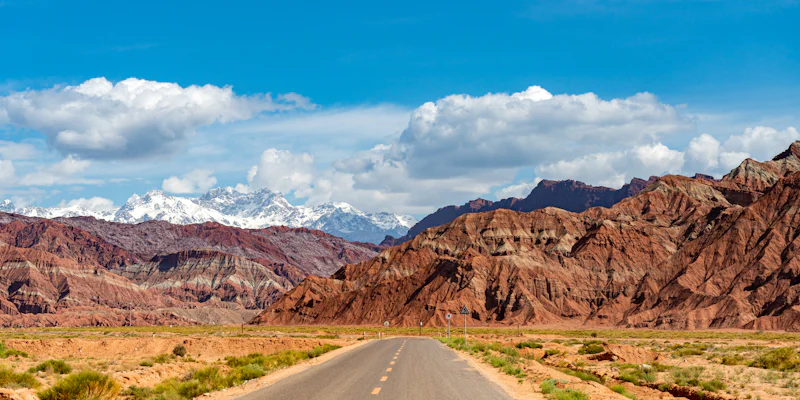
Southern Xinjiang (南疆, Nánjiāng) is the historical heartland of the Silk Road. Here you’ll find sprawling deserts, ancient oasis cities, and a rich tapestry of Uyghur culture. The focus is on history, culture, and dramatic desert landscapes. The best time to visit is from September to October when the temperatures are milder and the autumn colors provide a beautiful contrast.
Sample 2-Week Northern Itinerary
This route focuses on iconic natural landscapes and is heavy on bus travel for the final legs.
- Days 1–2: Ürümqi (乌鲁木齐). Arrive and acclimatize. Visit the Xinjiang Regional Museum.
- Day 3: Overnight Train. Take the evening train from Ürümqi to Burqin (布尔津) or the newer station in Altay (阿勒泰).
- Days 4–6: Kanas Lake (喀纳斯湖). From Burqin, take a bus or shared taxi to the Kanas scenic area. Spend time exploring Kanas Lake, Hemu Village (禾木村), and the surrounding scenery.
- Days 7–8: Yining (伊宁). Take a long-distance bus from Burqin to Yining. This is a long travel day.
- Days 9–11: Ili Valley. Base yourself in Yining. Hiring a driver here for a day (around 700 RMB) is the most efficient way to see Sayram Lake (赛里木湖) and the Kalajun or Nalati Grasslands. Otherwise, you can find buses from Yining's bus station.
- Day 12: Return to Ürümqi. Take a high-speed or regular train from Yining back to the capital.
- Day 13: Turpan (吐鲁番). Easy day trip from Ürümqi via a 1-hour high-speed train.
- Day 14: Depart.
Sample 2-Week Southern Itinerary
This itinerary prioritizes culture and history, with a key section requiring a hired car.
- Days 1–3: Kashgar (喀什). Fly into Kashgar. Spend three days exploring the Old Town, Id Kah Mosque, and the famous Sunday Livestock Market.
- Days 4–6: Karakoram Highway. This is where hiring a driver is essential. A 2-day or 3-day trip from Kashgar to Tashkurgan (塔什库尔干) will take you past Karakul Lake and stunning mountain scenery. This will be the most expensive part of your trip, but it is unmissable.
- Day 7: Overnight Train. Take the evening train from Kashgar to Kuqa (库车).
- Days 8–9: Kuqa. Explore the ancient city of Subashi and the Kizil Caves.
- Day 10: Train to Turpan. Another full travel day on the train, watching the desert scenery go by.
- Days 11–12: Turpan. Explore the Flaming Mountains, Jiaohe Ruins, and the Karez water system.
- Day 13: Return to Ürümqi. A short high-speed train ride puts you back in the capital for your departure.
- Day 14: Depart.
Ultimately, traveling Xinjiang by public transport requires more planning but rewards you with an affordable and immersive journey through one of China’s most incredible regions.
For those who have traveled Xinjiang without a car, what was one leg of your journey that was surprisingly easy or unexpectedly difficult using public transport?
Quick Takeaways:
- Use overnight trains (卧铺, wòpù) for long distances like Ürümqi-Kashgar to save time and money.
- Choose Northern Xinjiang for lakes and grasslands, and Southern Xinjiang for Silk Road history.
- Strategically hire a driver for specific areas like the Karakoram Highway or around Sayram Lake.
- Book all train and most bus tickets in advance on an app like Trip.com (携程, Ctrip).
#travelxinjiang #chinatravel #publictransport