Choosing between expat life in a Tier 2 China city versus a Tier 1 hub like Shanghai or Beijing is fundamentally a trade-off between lifestyle and career. Tier 2 cities generally offer a lower cost of living, a more relaxed pace, and a deeper immersion into local culture. In contrast, Tier 1 cities provide unparalleled career opportunities, convenience, and a massive international community, but at a significantly higher price point and a more frenetic pace.
Cost of Living: The Clearest Distinction
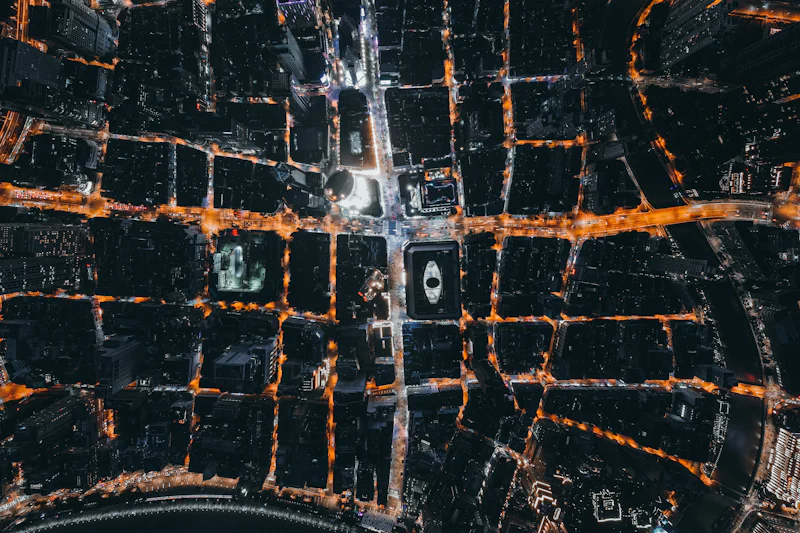
The financial difference is the most immediate and impactful factor. While living in Chengdu vs Shanghai, the disparity is stark. A modern one-bedroom apartment in a central Shanghai district like Jing'an can easily cost 8,000–12,000 RMB per month. A comparable apartment in Chengdu’s city center might only be 3,000–5,000 RMB. The cost of living in Nanjing or Hangzhou follows a similar pattern, sitting comfortably below Tier 1 expenses. Daily costs for meals, transportation, and entertainment are also 30-50% lower outside the top-tier megacities. This financial breathing room allows for more savings, travel, or simply a less stressful lifestyle.
Community: Integrated vs. Insulated
Tier 1 cities have vast, established expatriate communities. It’s easy to find international supermarkets, attend English-speaking events, and build a social circle without ever needing to speak Mandarin. While comfortable, this can create an “expat bubble.” In a Tier 2 city, the foreigner community is smaller and often more close-knit. This environment can strongly encourage language learning and deeper integration with local colleagues and neighbors. You’re more likely to be the only foreigner at a local restaurant, which can be both a challenge and a highly rewarding aspect of foreigner life in Hangzhou or a city like Chongqing.
Convenience and Daily Life
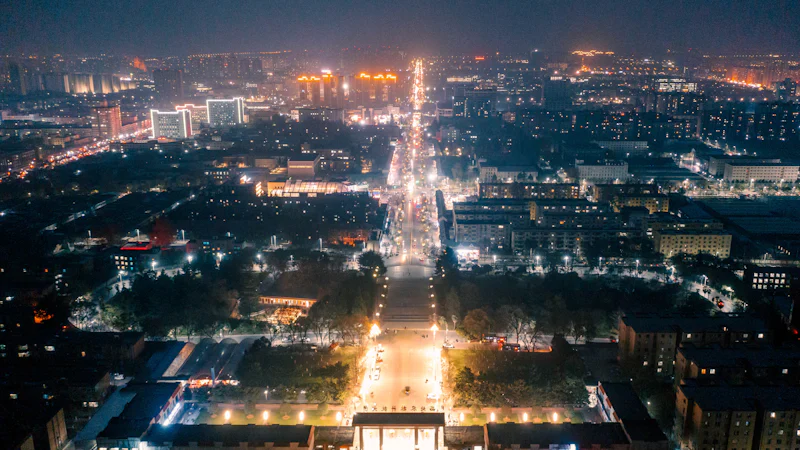
Tier 1 cities are paragons of convenience. Extensive subway systems, international airports with direct flights worldwide, and access to virtually any product or service imaginable are standard. That said, Tier 2 cities have rapidly closed the gap. High-speed rail connects them all, and the dominance of super-apps like 微信 (WeChat) and 支付宝 (Alipay) standardizes daily payments and services everywhere. The main difference you might notice is the availability of niche imported goods or specialized English-speaking services (like international clinics or specific legal help). For most daily needs, however, life in a city like Nanjing is just as convenient as in Shenzhen.
Career Trajectory and Professional Growth
This is where Tier 1 cities maintain their biggest advantage. Beijing, Shanghai, and Shenzhen are the undisputed centers for finance, tech, marketing, and corporate headquarters. If your goal is to climb the corporate ladder at a multinational company, your options will be far more numerous there. Expat life in a Tier 2 China city offers a different professional landscape. Opportunities are often concentrated in specific industries like manufacturing, logistics, or education. However, being a skilled foreigner in a smaller market can make you a bigger fish in a smaller pond, potentially leading to unique leadership roles that might be harder to secure in the hyper-competitive Tier 1 environment.
The right choice ultimately hinges on your personal priorities at this stage of your life and career.
For those of you who have lived in both, what was the single biggest factor that made you choose one type of city over the other?
Quick Takeaways:
- Expect to pay 50-60% less for rent in a Tier 2 city compared to Shanghai or Beijing.
- Tier 2 cities often foster deeper cultural immersion due to smaller, less insulated expat circles.
- Major career opportunities in finance and tech are heavily concentrated in Tier 1 hubs.
- Daily convenience is high in all tiers thanks to universal apps like Alipay and WeChat.
#expatlife #tier2china #livinginchina