For a two-week Xinjiang itinerary as a foreigner without a private car, the most critical decision is choosing between the Northern Route and the Southern Route. Attempting both is impractical due to the immense distances; you will spend most of your trip in transit. The North offers world-class alpine scenery reminiscent of the Canadian Rockies, while the South is a deep dive into ancient Silk Road culture. Your choice depends entirely on whether your priority is dramatic landscapes or historical immersion.
The Northern Route: Alpine Lakes and Grasslands
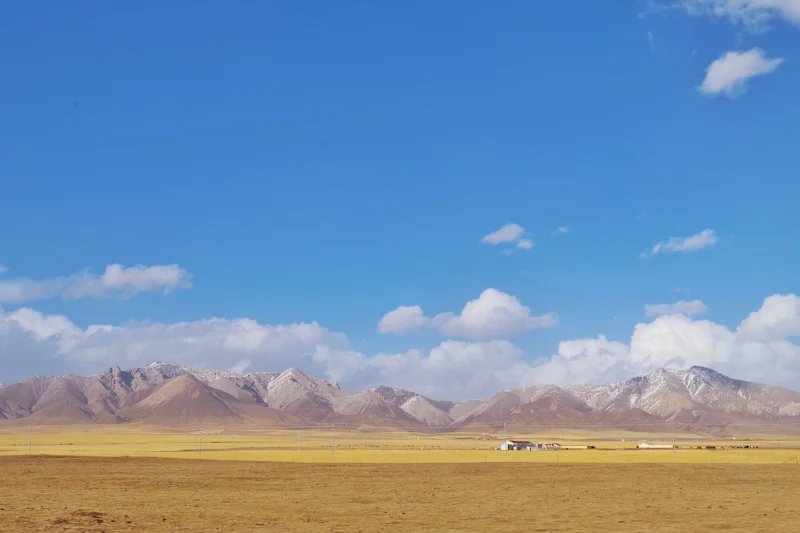
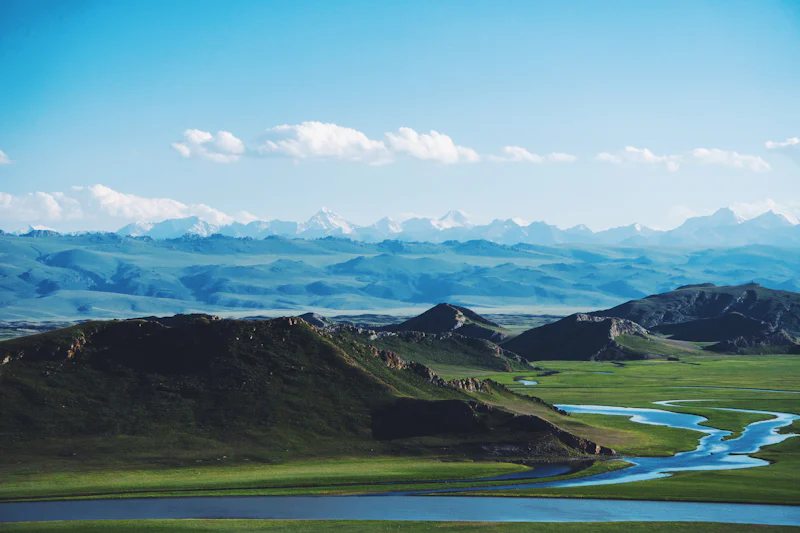
This route is for the nature lover. The journey revolves around the Altai Mountains, with Kanas Lake and Hemu Village as the crown jewels. The main transport hub is Xinjiang’s capital, Urumqi (乌鲁木齐). From there, you can take an 11-hour overnight train or a short flight to the city of Altay or Burqin. Burqin is the final gateway town, where you’ll transfer to buses or shared taxis for the last few hours into the Kanas Scenic Area. Once inside, you are largely dependent on the park’s internal bus system, which can be crowded. Independent travel here is about piecing together public transport, which is entirely doable but requires patience. The scenery is spectacular, especially from June to late September when the grasslands are green and the autumn colors emerge. The trade-off is that it’s one of China’s most popular domestic tourist spots and offers less of the unique cultural experience found in the south.
The Southern Route: Silk Road Cities and Desert Culture
This route follows the ancient Silk Road and is centered around the historic city of Kashgar (喀什). Getting there from Urumqi involves either a two-hour flight or a grueling 20+ hour train ride. Kashgar itself is a destination, with its vibrant Old Town and Sunday Livestock Market. The real adventure, however, lies in heading south along the Karakoram Highway towards Tashkurgan and the Pakistani border. This part of the trip is where independent travel becomes difficult for foreigners. You will encounter numerous police and military checkpoints (检查站 - jiǎncházhàn) that require special permits. To travel this highway, you must arrange for a Border Permit (边防证 - biānfángzhèng), a process almost always handled by a local travel agency that provides a car and driver. While it costs more, a guide makes navigating the bureaucracy seamless and is essential for this region. The reward is unparalleled access to Uyghur and Tajik culture against the backdrop of the Pamir Mountains.
Navigating Xinjiang Travel Restrictions
While there are few official travel bans for foreigners, the reality on the ground involves heightened security. You must carry your passport and visa at all times, as checks are frequent and thorough, especially when entering metro stations, train stations, and hotels. Foreigners are often restricted to staying in specific, licensed hotels that are registered to host them; you cannot simply book any guesthouse you find online. This is particularly true in smaller towns. Police are generally professional, but the process can be time-consuming. Using a reputable, licensed local tour operator—even for just a portion of your trip like the Karakoram Highway—can significantly smooth your journey, as they handle permits and communicate with officials on your behalf.
The Verdict for a Two-Week Trip
Your best Xinjiang itinerary foreigner-style is a focused one.
- Choose the North if you want breathtaking, accessible nature and are comfortable navigating public buses and dealing with large crowds. The logistics are more straightforward for an independent traveler.
- Choose the South if you crave deep cultural immersion, Silk Road history, and a more adventurous trip. Be prepared to budget for a guide and driver for the most rewarding parts, like the Karakoram Highway, as it is nearly impossible otherwise.
Trying to connect Kanas and Kashgar in two weeks via public transport would mean sacrificing at least four full days to travel alone, which is not a good use of your limited time.
Ultimately, the best itinerary is one that respects Xinjiang’s massive scale by focusing on doing one region well. For those who have been, which route did you choose and what was your biggest logistical surprise?
Quick Takeaways:
- For a two-week trip, you must choose either North (Kanas) or South (Kashgar).
- The Southern Route's Karakoram Highway requires a guide for permits and checkpoints.
- Always carry your passport; you will be checked frequently and need it for hotels.
- Urumqi is the main hub for connecting flights or long-distance trains to both regions.
#xinjiangtravel #chinatravelguide #silkroad