Navigating China's digital landscape without a VPN means embracing a new suite of apps that replace the services you're used to. For seamless daily life, your new essentials will be WeChat for communication, Alipay for payments, and Baidu Maps for navigation. While they might feel different from their Western counterparts, mastering these core applications is the single most important step to feeling settled and self-sufficient in China. They aren't just alternatives; they are the local standard for getting things done efficiently.
Communication Beyond WhatsApp and Messenger
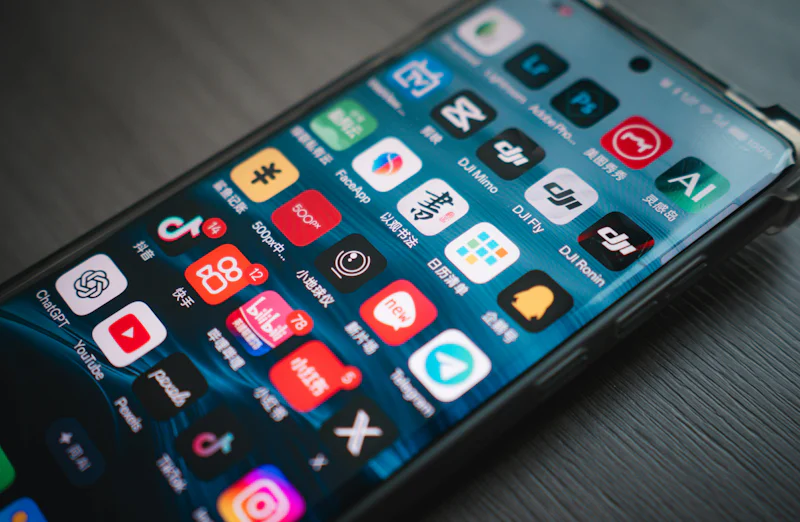
The most critical download is WeChat (微信, Wēixìn). It is far more than a messaging app; it’s an all-in-one platform that has almost completely replaced email, SMS, and cash for personal interactions. You'll use it to talk to friends, follow official company accounts, pay for coffee, and even book doctor's appointments through its “Mini Programs” feature. Setting it up is straightforward, but verification can sometimes require an existing user to scan your QR code. Its social media component, “Moments,” functions like a Facebook timeline. For work, many companies use a separate app called DingTalk (钉钉, Dīngdīng), so be prepared to download that if your employer requires it.
Mastering Mobile Payments with Alipay
While WeChat Pay is ubiquitous, Alipay (支付宝, Zhīfùbǎo) is the other half of China's digital payment duopoly and is often more foreigner-friendly for setup. To get started, download the app and switch the language to English. You can verify your identity using your passport details directly within the app. Crucially, Alipay now widely supports linking international credit cards like Visa, Mastercard, and American Express through its “Tour Pass” mini-program or by directly adding the card. Once linked, you can generate a QR code to pay for virtually everything, from street food vendors to major retail chains. This is an absolute necessity, as many businesses no longer prefer handling cash.

Your China YouTube Alternative
For video content, Bilibili (哔哩哔哩), often called “B Site,” is the closest equivalent to YouTube. It started as a niche community for anime, comics, and games (ACG) but has exploded into a mainstream platform with content on everything from lifestyle vlogs to tech reviews and educational documentaries. Its signature feature is the real-time “bullet screen” comment system (弹幕, dànmù), where user comments fly across the screen. While the interface is primarily in Chinese, you can often find content by searching for topics in English. Many international creators also have official accounts on the platform, making it a great way to stay entertained without a VPN.
The Best China Map App
Google Maps is unreliable and outdated in China. Your best alternatives are Baidu Maps (百度地图, Bǎidù Dìtú) and Amap (高德地图, Gāodé Dìtú). Both offer incredibly detailed and accurate real-time traffic data, precise public transportation routes (including bus arrival times), and ride-hailing integrations. Baidu Maps often has a more user-friendly English interface, making it the recommended starting point for most foreigners. You can type destination names in English, and it generally works well. It's essential for navigating cities, finding restaurants, and booking a Didi (China's Uber).
Embracing these core Chinese apps is the key to unlocking a convenient and integrated life here.
What is one non-essential Chinese app you've found incredibly useful for a specific hobby or interest?
Quick Takeaways:
- WeChat is the essential all-in-one app for messaging, payments, and services.
- Verify your Alipay account with your passport to link international bank cards.
- Use Baidu Maps or Amap instead of Google Maps for accurate navigation.
- Bilibili is the primary video-sharing platform and a strong YouTube alternative.
#chinaapps #livinginchina #techtips