[
{
"title": "What is life like in Jinshan, Shanghai for an expat?",
"tagName": "Lounge",
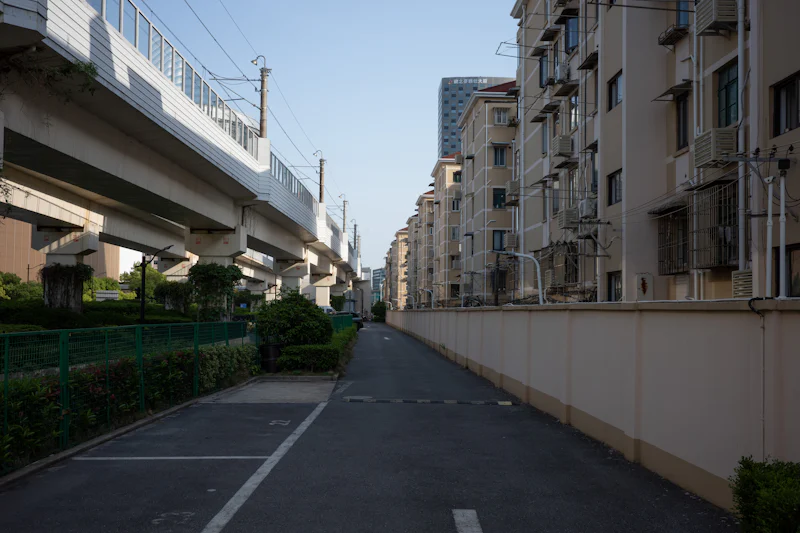
"post": "Life in Jinshan for an expat is a significant trade-off between cost and convenience. It offers a much lower cost of living and a slower, more local lifestyle in exchange for a substantial daily commute into downtown Shanghai. This arrangement works best for those who prioritize saving money and having more living space over the vibrant, international atmosphere of the city center. It’s less about being in Shanghai and more about being near Shanghai, a distinction that fundamentally shapes the entire experience.\n\n## The Commute Reality\nCommuting is the single most defining factor of life in Jinshan Shanghai expat circles. The primary transport link is the Jinshan Railway (金山铁路, Jīnshān Tiělù), which connects Jinshanwei Station to Shanghai South Railway Station (上海南站, Shànghǎi Nánzhàn). The express train makes this journey in about 32 minutes, while the all-stops service can take up to an hour. However, this is only the first leg of the journey. From Shanghai South, you must transfer to the metro to reach business hubs like Jing'an, Lujiazui, or People's Square, which adds another 30-45 minutes. Realistically, a door-to-door commute time of 90 to 120 minutes each way is standard. This daily time commitment is a non-negotiable part of the package.\n\n## Cost of Living: A Clear Advantage\nThis is Jinshan's biggest draw and the main reason for living outside downtown Shanghai. The financial savings are immense. A modern two-bedroom apartment in a decent complex can be rented for 3,000–5,000 RMB per month. To put that in perspective, a comparable apartment in a central district like Jing'an could easily command 15,000–25,000 RMB. The cost of living in Jinshan is lower across the board—from local restaurant meals to groceries and other daily services. While you’ll use the same payment apps like 支付宝 (Alipay) and 微信支付 (WeChat Pay), your money simply goes much further.\n\n## Local Amenities and Lifestyle\nJinshan offers a completely different lifestyle compared to the urban core. Its most famous feature is Jinshan City Beach (金山城市沙滩, Jīnshān Chéngshì Shātān), a man-made beach that offers a unique seaside environment for relaxation on weekends. For daily needs, there are large shopping centers like Wanda Plaza, which include cinemas, supermarkets, and a variety of domestic retail brands. However, the variety of Western restaurants, international grocery stores, and expat-focused bars is extremely limited. Life here is a more immersive Chinese experience, and having at least basic conversational Mandarin will make daily interactions significantly easier and more enjoyable.\n\n## The Expat Community and Social Scene\nUnlike the dense international communities in the former French Concession or Gubei, the expat population in Jinshan is small and spread out. Social life is often centered around colleagues if you work at one of the local industrial parks or schools. If you work downtown, building a social life will likely require making trips into the city on weekends. This can feel isolating if you’re used to having a large expat network right outside your door. For others, it’s a welcome chance to integrate more deeply with the local community and build relationships outside the typical expat bubble.\n\nChoosing Jinshan means consciously deciding that financial savings and a quieter environment outweigh the time cost of commuting from Jinshan to Shanghai and a less international social scene.\nFor those living in other Shanghai suburbs, what's one pro or con you didn't expect?\n\n---\n\nQuick Takeaways:\n- Expect a daily commute of 90-120 minutes each way to central Shanghai.\n- Rent in Jinshan can be over 70% cheaper than in popular downtown districts.\n- Western amenities and expat social circles are very limited; Mandarin is a huge plus.\n- The lifestyle is slower, with unique features like the Jinshan City Beach.\n\n---\n\n#jinshan #shanghailife #expatguide"
}
]