Deciding between Xinjiang’s north and south routes for a two-week trip comes down to a simple choice: otherworldly natural landscapes or deep cultural history. For travelers without a car, the Northern route offers more developed tourist infrastructure centered around its stunning scenery, making it logistically simpler. The Southern route, while requiring more planning with public transport, provides an unparalleled immersion into the history of the Silk Road and Uyghur culture. Attempting both in two weeks is not recommended; you’ll spend most of your time in transit.
The Northern Route: Alpine Lakes and Grasslands
Think of Northern Xinjiang as China’s Switzerland. The main draws are dramatic alpine lakes, pine forests, and sprawling grasslands dotted with Kazakh yurts. The most famous circuit includes Kanas Lake, Hemu Village, and Sayram Lake. The scenery is the star here. Getting around without a car is feasible because major scenic areas have a mandatory tourist bus system (区间车 qūjiānchē) that shuttles visitors between key viewpoints. Your main challenge is the long-distance travel between hubs. From the capital, Urumqi, you can take a 10-hour overnight bus or a flight to Burqin, the gateway town for Kanas. From there, you rely on local buses and shared taxis to get to the park entrance. A typical two-week northern itinerary would start in Urumqi, head to the Kanas region for 4-5 days, then travel overland to Yining to see the lavender fields (in season) and Sayram Lake before returning to Urumqi.
The Southern Route: Deserts and Ancient Cities
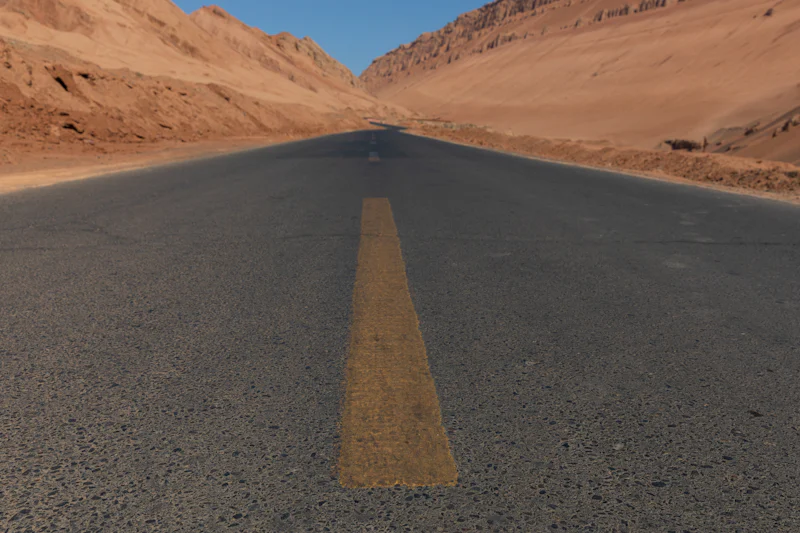
The Southern route follows the ancient Silk Road along the edge of the Taklamakan Desert. This is the cultural heartland of Xinjiang, where the focus is on ancient cities, vibrant bazaars, and the majestic Pamir mountains. The essential stop is Kashgar, with its mesmerizing Old Town, Id Kah Mosque, and the famous Sunday Livestock Market. The landscape here is stark and powerful, from the sand dunes of the desert to the snow-capped peaks guarding Karakul Lake on the Karakoram Highway. Public transport is centered around the train line that loops around the desert, connecting Kashgar, Hotan, and Kuqa. While the train is efficient and affordable, reaching specific sites like the Kizil Caves near Kuqa or Karakul Lake from Kashgar requires hiring a private driver or finding a shared taxi (拼车 pīnchē), which is a key logistical hurdle.
Urumqi and Practicalities for Foreigners
Regardless of your choice, your trip will likely start and end in Urumqi. Plan for at least one full day here. A simple Urumqi travel itinerary should include the Xinjiang Regional Museum (home to the famous Tocharian mummies) and the International Grand Bazaar. For foreigners, travel in Xinjiang requires patience. You will encounter numerous police checkpoints, especially in the south. Always have your passport easily accessible. Buses are stopped frequently for checks, which can significantly lengthen travel times compared to what schedules suggest. A reliable VPN and a translation app are non-negotiable, as English is rarely spoken outside of hotels. Booking major train tickets via an app like 携程 (Ctrip) at least two weeks in advance is crucial, as popular routes sell out quickly.
Ultimately, a well-planned two-week trip focusing on just one region will be far more rewarding than a frantic attempt to see everything.
For those who have traveled there, what was the single biggest surprise or challenge you faced when navigating Xinjiang without a private car?
Quick Takeaways:
- Pick North Xinjiang for spectacular alpine scenery and straightforward tourist bus systems.
- Pick South Xinjiang for a deep dive into Silk Road history and Uyghur culture.
- With only two weeks and public transport, you must choose one route, not both.
- Always carry your passport; expect frequent security checks that add to travel time.
- Book long-distance trains or flights well in advance, especially during peak season.
#xinjiangtravel #travelchina #silkroad