Telling if jade is real in a bustling Chinese market comes down to trusting your senses, not just your eyes. While fakes can be visually convincing, they often fail simple physical tests. The most reliable indicators for a tourist are the stone's temperature, weight, and the sound it makes. Real jade feels cool and heavy in your hand and produces a clear, bell-like chime when lightly tapped, a quality that glass or plastic imitations cannot replicate. Trust these physical properties over a seller's story, especially in a high-pressure situation.
The Feel and Sound Test
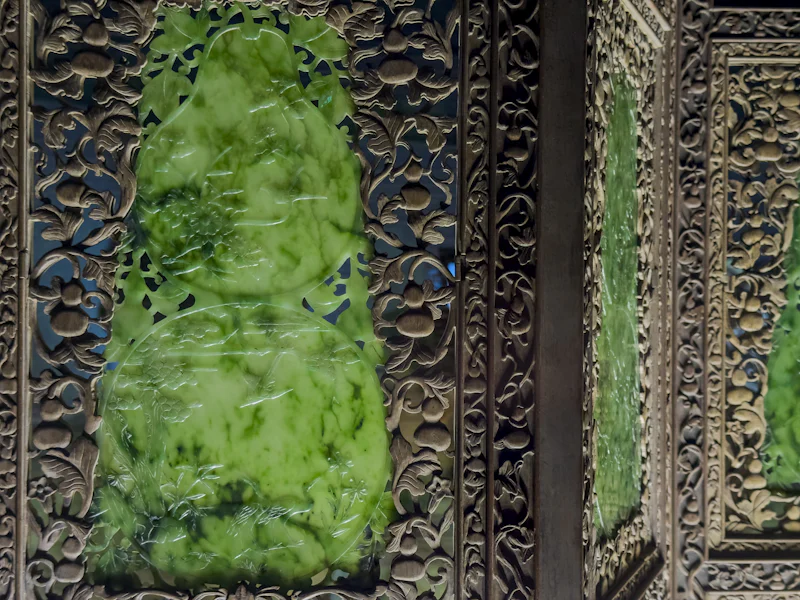
Your first interaction with a piece of jade should be tactile. Real jade is a poor conductor of heat and will feel distinctly cool and smooth to the touch, even on a warm day. It takes a moment to warm up in your hand. Fakes made of glass or plastic will either be at room temperature or will warm up almost instantly. Next, check its density. Jade should feel surprisingly heavy for its size. If it feels light like a piece of plastic, it likely is. Finally, perform a sound test if possible. Ask the vendor if you can gently tap the piece with another small, hard object (like another jade bangle, if available). Authentic jade produces a high-pitched, resonant, and clear sound, described in Chinese as 清脆 (qīngcuì), or “clear and crisp”. A fake will produce a dull, low-pitched thud.
Visual Clues to Look For
While looks can be deceiving, there are still visual red flags. Perfection is suspicious. Genuine jade, especially the highly-prized nephrite Hetian jade (和田玉, Hétián yù), will almost always have internal imperfections. These can include tiny dark mineral deposits, cloudy patches, or fine, fibrous-looking strands within the stone. Use your phone's flashlight to look inside the piece. If you see a perfectly uniform color and clarity, or tiny air bubbles, you are likely looking at glass. Real jade has a unique, slightly waxy or “greasy” luster that is hard to imitate. It's not a high-gloss shine like polished glass but a softer, deeper glow.
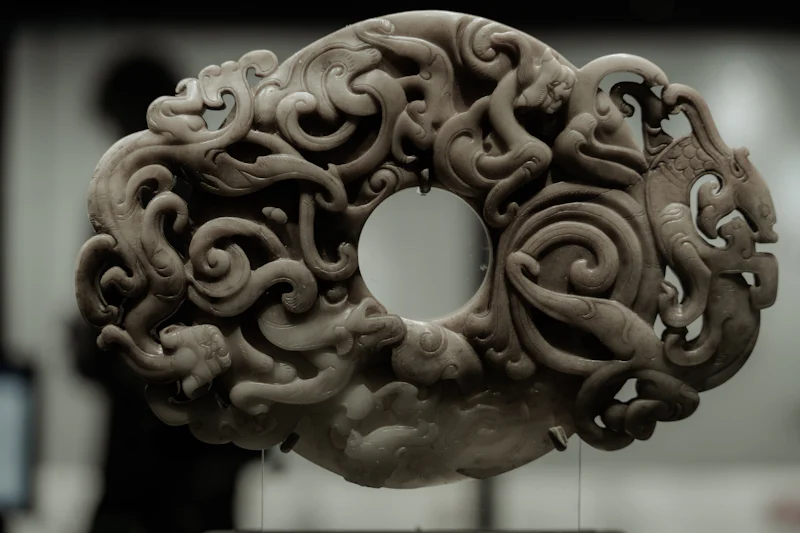
The Scratch Test Myth
One of the most famous tests is the scratch test, but it is impractical and often misleading. True jadeite is incredibly hard (6.5-7 on the Mohs scale) and shouldn't be scratched by a steel knife blade. However, no vendor will let you take a knife to their merchandise. Furthermore, many fakes are made from other hard stones like serpentine or aventurine, which can also resist a scratch test but are not real jade. Attempting this test in a market is a good way to offend a seller and potentially damage a piece you may be forced to buy. It's best left as a theoretical point rather than a practical tool for buying.
Understanding Price and Provenance
Price is often the biggest giveaway. True, high-quality Hetian jade is rare and expensive. A small, genuine antique pendant can cost thousands, if not tens of thousands, of yuan. If a vendor at a tourist market like Panjiayuan in Beijing offers you a large, intricate “antique” piece for ¥500, you can be nearly certain it is not real jade. For any serious purchase, ask for a certificate of authenticity, known as a 鉴定证书 (jiàndìng zhèngshū), from a recognized gemological laboratory. For casual souvenirs, buy what you find beautiful, but pay a price that reflects the high probability of it being an imitation.
Ultimately, spotting fake jade combines sensory checks with a healthy dose of skepticism about prices that seem too good to be true. What is the most convincing piece of fake jade you've encountered in China, and what was the final clue that gave it away?
Quick Takeaways:
- Real jade feels cool and heavy, and warms up slowly in your hand.
- Tap it gently; genuine jade creates a high-pitched, resonant chime, not a dull thud.
- Look for natural internal flaws; perfectly uniform color is a common sign of a fake.
- Be highly suspicious of “antique” or “Hetian” jade sold at low prices in tourist markets.
#jade #chinatravel #antiques