Yes, planning a 2-week Xinjiang trip without a car is entirely possible, but it requires a crucial decision upfront: you must choose between the northern and southern routes. Trying to cover both in 14 days using public transport is impractical and will leave you exhausted. Your choice boils down to priorities. The northern route offers world-class alpine landscapes of forests and lakes, while the southern route immerses you in the rich history of the Silk Road and vibrant Uyghur culture. Both are incredible, but they demand different logistical approaches.
The Northern Route: Landscapes and Logistics
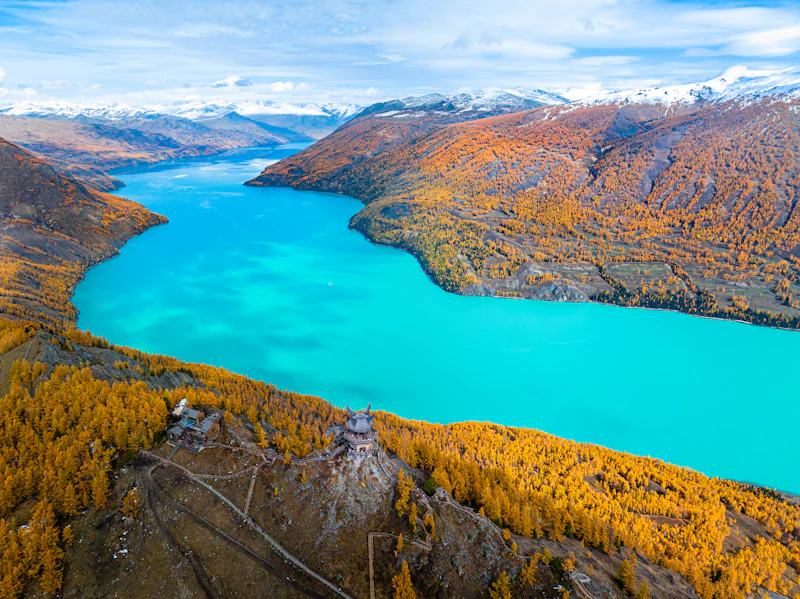
Northern Xinjiang is famous for its breathtaking natural scenery, especially Kanas Lake and Hemu Village. The best time to visit is late summer or early autumn for the spectacular colors. For a Xinjiang public transport itinerary, your main hub is Urumqi (乌鲁木齐). From there, you can take an overnight train or a long-distance bus (around 10–12 hours) to Burqin (布尔津), the gateway town to the Kanas region. From Burqin, public buses to the scenic areas are infrequent. The most practical solution is to hire a private driver or join a shared car (包车, bāochē) for 2–3 days to explore Kanas, Hemu, and the surrounding grasslands. This typically costs between 1,500–2,500 RMB for the entire car and gives you the flexibility that buses lack. A sample 2-week itinerary would be: Urumqi and Heavenly Lake (天池, Tiānchí) for 2-3 days, travel to Burqin (1 day), explore the Kanas region (3-4 days), and then travel back, perhaps with a stop in Karamay to see the “Ghost City” rock formations.
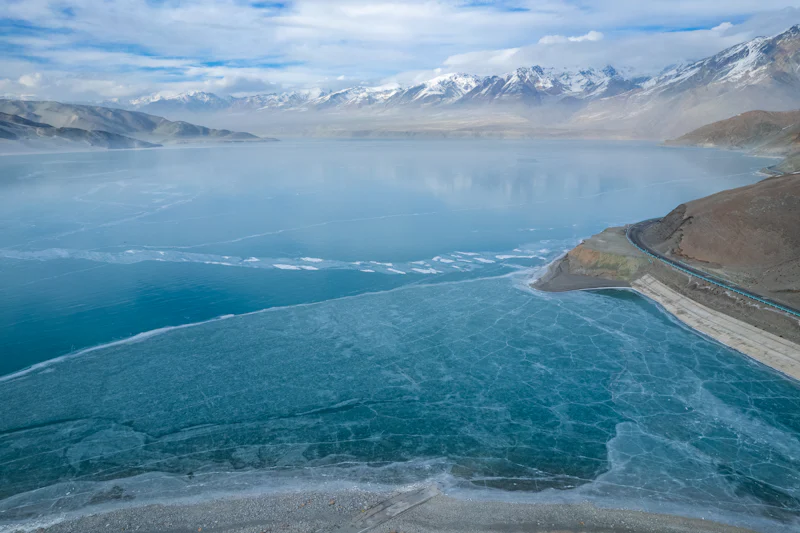
The Southern Route: Culture and the Silk Road
Southern Xinjiang offers a deep dive into history and culture. Your main base here will be Kashgar (喀什), a city with one of the best-preserved Islamic old towns in Central Asia. You can fly directly into Kashgar, saving significant travel time. Plan to spend at least 3 days exploring the Old Town, Id Kah Mosque, and the bustling Sunday Bazaar. The highlight for many is the trip down the Karakoram Highway to Tashkurgan, near the Pakistani border. This requires a hired driver for a 2-3 day round trip and a special Border Permit (边防证, biānfángzhèng). As a travel Xinjiang foreigner, you must arrange this permit through a licensed travel agency in Kashgar; it’s a straightforward process that usually takes half a business day. Beyond Kashgar, the southern route is well-serviced by trains connecting oasis cities like Hotan (和田), Yarkand (莎车), and Kuqa (库车), making it more public-transport-friendly than the north.
Making the Final Itinerary Choice
Your decision depends entirely on your travel style and interests. If your priority is dramatic, Altai-mountain scenery and you’re comfortable hiring a driver for a few key days, choose the northern Xinjiang itinerary. The logistics are more challenging, but the payoff is stunning landscapes. If you are more interested in history, culture, and experiencing ancient Silk Road cities, the southern Xinjiang itinerary is a better fit. It’s also arguably easier to navigate without a car, as the train system connects the main points of interest, leaving you to hire drivers only for specific excursions like the Karakoram Highway. For a first-time visitor on a 2-week schedule relying on public transport, the southern route often provides a more manageable and culturally rich experience.
Ultimately, a successful car-free Xinjiang journey hinges on focusing your energy on one region and strategically blending public transit with short-term private hires for less accessible areas. For those who have done it, what was the most surprisingly easy (or difficult) part of navigating Xinjiang with public transport?
Quick Takeaways:
- Choose either the north (landscapes) or south (culture) for a 2-week trip; both is too ambitious.
- For the north, plan to hire a driver (包车) from Burqin to efficiently see Kanas and Hemu.
- The southern route is more accessible via the train network connecting major oasis cities.
- Foreigners need a Border Permit (边防证) for the Karakoram Highway, arranged in Kashgar.
#xinjiangtravel #chinatravel #publictransport