The 144-hour visa-free transit policy is one of the most misunderstood and underutilized tools for travelers passing through China. In essence, it allows citizens from 54 specific countries to transit through designated Chinese ports of entry for up to 144 hours without a traditional visa. This policy is not intended for multiple entries or long-term stays, but it provides a perfect window for a short urban excursion or a cultural layover. Successfully navigating this process requires strict adherence to travel documentation and geography, as the rules are bound by specific administrative zones rather than the entire country.
Understanding the Geography
The most critical mistake travelers make is assuming the 144-hour permit allows travel throughout the entirety of China. It does not. The policy is linked to specific transit zones. For example, the Beijing-Tianjin-Hebei region constitutes one integrated zone, while the Yangtze River Delta, covering Shanghai, Jiangsu, and Zhejiang, is another. If you fly into Shanghai under this program, you are permitted to travel anywhere within those three provinces. However, you cannot take a train to Beijing and expect your visa-free status to remain valid. Always verify which cities are included in your specific port of entry zone before planning your itinerary.
The Necessary Documentation
To qualify, your itinerary must follow a strict A-to-B-to-C pattern. You must have a confirmed ticket to a third country or region outside of China. For instance, traveling from London to Shanghai and then back to London does not qualify; you must be moving onward to a different destination. At the border, you must present a passport valid for at least three months, your onward flight ticket, and a completed Arrival/Departure card. Ensure your flight is a direct transit through the port of entry. If you have multiple stops within China before your exit, you may be denied entry. Keep your boarding passes and flight confirmations organized in a digital folder or printed for quick access by immigration officers.
Practical Steps Upon Arrival
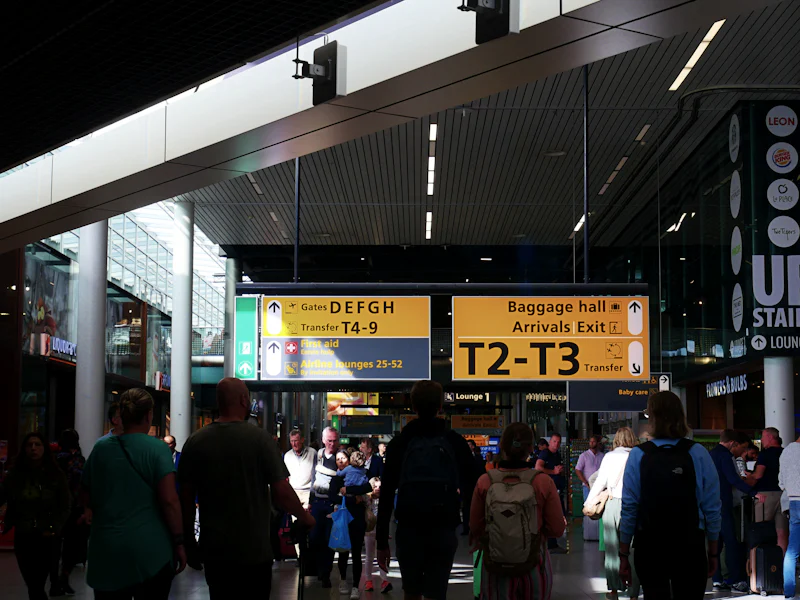
Upon landing, follow the signage for the 144-hour transit visa desk. Do not join the regular immigration queue. The transit desk processes your application manually, which can take anywhere from 30 minutes to two hours depending on the queue length. Once processed, you will receive a temporary entry permit stamped in your passport. After leaving the airport, your first priority must be the local registration. If you are staying in a hotel, they will handle this automatically. If you are staying with friends or in an Airbnb, you must register your stay at the local Public Security Bureau (PSB) station within 24 hours of arrival. Failure to register can lead to complications, even if you are only staying for a few days.
Optimizing Your Short Stay
With only six days, focus on one major city or a compact region. Download essential apps before you arrive: 支付宝 (Alipay) or 微信 (WeChat) for mobile payments, and 高德地图 (Amap) for navigation. Cash is still accepted, but most vendors prefer mobile payment, and many automated services require it. If you need data, consider an eSIM or a roaming plan, as accessing blocked international websites without a reliable VPN or local data can disrupt your travel plans. Plan your transport around high-speed rail and metro systems, which are generally more reliable than taxis during peak hours.
Managing a short-term transit requires precision, particularly regarding your onward flight confirmation and geographical constraints. The policy is designed for smooth, point-to-point transit, not for regional tourism expansion outside the designated zones. If you have successfully used the 144-hour transit policy for a quick trip, what specific challenges did you face at the immigration desk or during your regional travel?
Quick Takeaways:
- Ensure your onward flight is to a third country, not your country of origin.
- Verify the specific geographic zone included in your transit port of entry.
- Register your residence at a local police station if not staying in a hotel.
- Keep digital and paper copies of all flight tickets and passport pages.
- Use Alipay or WeChat Pay for all daily transactions to avoid payment issues.
#visatips #expatchina #livingabroad
