Traveling between cities in China via the high-speed rail (HSR) network is remarkably efficient, often surpassing the convenience of air travel for journeys under six hours. As the world’s largest high-speed rail system, China’s network links major metropolitan hubs and secondary cities with high frequency and precision. For expatriates, mastering the system is a rite of passage that transforms your ability to explore the country. While the process may seem intimidating due to language barriers or digital platforms, the system is designed to be highly logical, standardized, and user-friendly once you understand the core mechanics.
Booking Your Journey
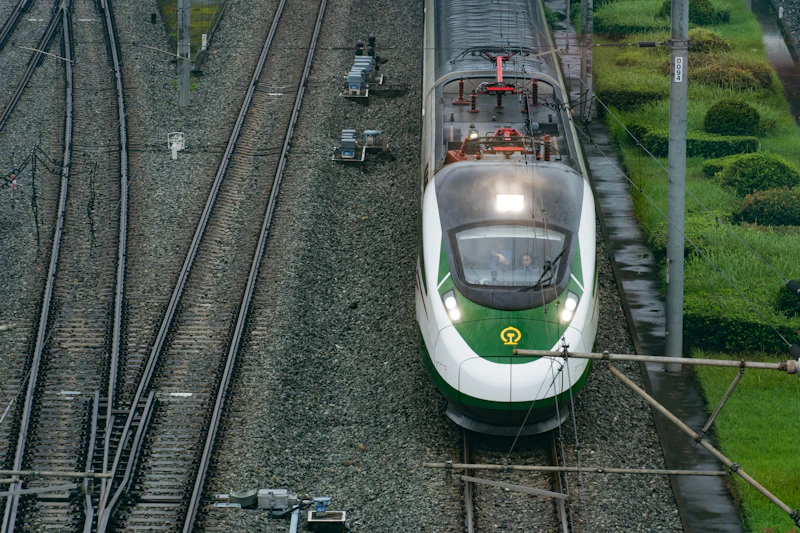
Booking tickets is now almost exclusively a digital process. Avoid the stress of buying tickets at the station, as popular routes frequently sell out days in advance. The most reliable tool for foreigners is the official 12306 website or the 12306 app. While there are third-party platforms like Trip.com that offer English interfaces, the official 12306 app is the most direct source for availability and price accuracy.
To begin, ensure your passport details are verified in the app. You will need to upload a photo of your passport and complete the facial recognition process. This step may take 24 to 48 hours for the system to process, so do not leave this until the day you intend to travel. Once verified, you can search for routes by inputting your departure and arrival cities in Pinyin. When selecting a train, note the prefixes: 'G' trains are the fastest (up to 350 km/h), 'D' trains are slightly slower but very comfortable, and 'C' trains are usually for inter-city travel within the same province.
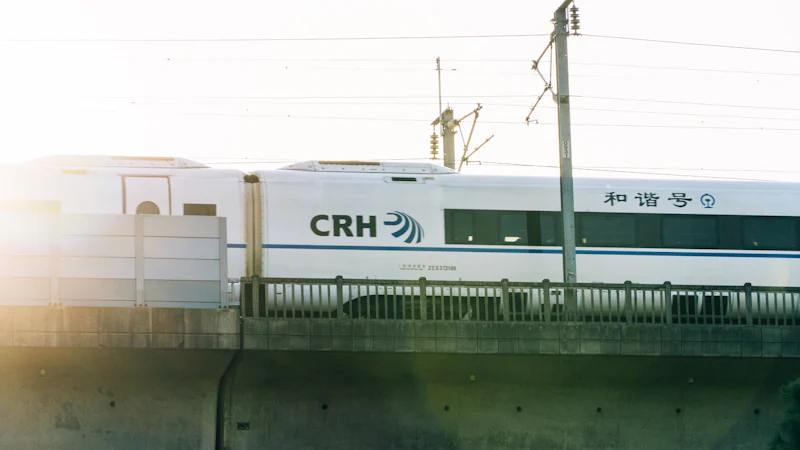
Navigating the Station
Chinese train stations are massive transport hubs that function similarly to airports. Arrive at least 45 to 60 minutes before your scheduled departure. Upon entering the station, you will encounter a security screening similar to airport security; place all bags on the conveyor belt and walk through the metal detector. Keep your passport accessible at all times, as you will need it for both security checkpoints and ticket verification.
Once inside, check the departure screens to find your waiting gate. Large stations are divided into sections, and boarding usually begins 15 to 20 minutes before departure. Gates typically close 5 minutes before the train leaves. While paper tickets were once mandatory, the system is now entirely paperless. Your passport serves as your digital ticket, scanned at the turnstiles and by conductors on board. If you have an electronic ticket, you simply scan your passport at the automated gates.
Traveling Comfortably
High-speed trains offer three main classes: Second Class, First Class, and Business Class. Second Class is the standard, offering ample legroom and power outlets. First Class provides wider seats and a quieter atmosphere, which is ideal if you need to work during the trip. Business Class, while significantly more expensive, offers lie-flat seats, private lounges, and meal service.
Onboard, most trains have a snack cart that travels through the aisles selling water, tea, and snacks. However, prices are inflated and selection is limited. It is common practice to bring your own food, such as fruit, sandwiches, or bottled water, which you can purchase at convenience stores like FamilyMart or 7-Eleven inside the station before boarding. All trains are equipped with Western-style toilets, though it is wise to carry your own tissues or hand sanitizer, as supplies may run out during long journeys.
Understanding the rhythm of the rail network empowers you to travel across provinces with ease. Whether you are heading to a weekend getaway in Suzhou or a business trip in Beijing, the train is the most reliable mode of transportation. The key is preparation—book early during public holidays and always have your passport ready for verification. Once you integrate these small habits into your travel routine, China becomes a much smaller and more accessible place to explore.
Which cities have you found the most accessible by high-speed rail, and do you have a preferred seat class for long-distance travel?
